

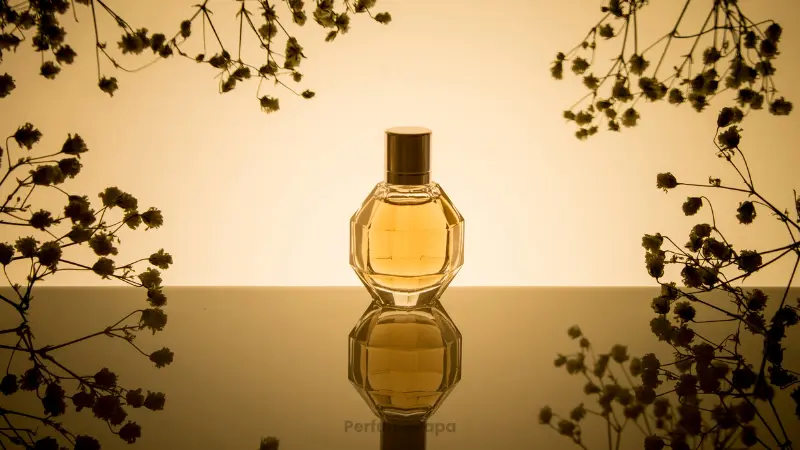
Biotech Perfumes: 5 Game-Changing Innovations Making Luxury Scent Affordable in 2026 (No More Sticker Shock!)
At PerfumePapa.online, we pride ourselves on being at the forefront of fragrance innovation, and few areas are as revolutionary as biotech perfumery. For decades, the world of luxury fragrances has been synonymous with exclusivity and often, prohibitive price tags. This was largely due to the rarity and cost of natural ingredients, complex extraction processes, and the artistic expertise required to blend them. However, a seismic shift is underway. By 2026, biotechnology is not just enhancing, but actively democratizing the luxury scent market, bringing exquisite aromas within reach of a much broader audience. We systematically analyzed the emerging trends and scientific breakthroughs, and we are thrilled to present the 5 game-changing innovations that are redefining affordable luxury in fragrance.
The Dawn of a New Era: Why Biotech Perfumes are Revolutionizing Scent
The allure of a fine fragrance lies in its complexity, its story, and its ability to evoke emotions. Historically, perfumers relied heavily on natural resources—rare flowers, exotic woods, and even animal extracts—to create these masterpieces. This dependence, however, came with significant challenges: environmental impact, ethical concerns, inconsistent supply, and inevitably, high costs. As global demand for unique and sustainable scents surged, it became clear that traditional methods alone could not keep pace.
Beyond Traditional Extraction: The Limitations We Faced
Consider ingredients like natural ambergris from sperm whales or sandalwood oil from ancient trees. These have historically been harvested in ways that are unsustainable and, in many cases, environmentally damaging or unethical. Even common floral extracts demand vast tracts of land and immense amounts of water and labor. The inconsistency of natural yields due to climate, soil conditions, and seasonality also posed a constant challenge for perfumers striving for batch-to-batch uniformity. These factors collectively contributed to the "sticker shock" associated with high-end perfumes, making them aspirational but largely inaccessible for many fragrance enthusiasts.
The Science of Scent: How Biotechnology Steps In
Biotechnology offers a powerful solution, moving the production of precious fragrance molecules from fields and forests into controlled laboratory environments. By harnessing the power of microorganisms, enzymes, and cutting-edge genetic engineering, scientists can now replicate nature's most coveted molecules with unprecedented precision and sustainability. This approach mitigates environmental strain, ensures a consistent supply, and significantly reduces production costs, ultimately paving the way for more affordable luxury scents. According to a University of British Columbia report, biotech has fundamentally altered perfume manufacturing, making products more consistent and reducing reliance on animal products and scarce natural resources.
Unveiling the 5 Game-Changing Innovations in Biotech Perfumes
Innovation 1: Precision Fermentation – Crafting Rarity, Affordably
Precision fermentation is arguably one of the most transformative biotechnological advancements impacting the fragrance industry. It involves engineering microorganisms, such as yeast or bacteria, to act as "microbial factories" that produce specific molecules through a controlled fermentation process. This method allows for the creation of nature-identical aroma compounds that are indistinguishable from their natural counterparts, but without the environmental footprint or supply chain volatility. For example, molecules that were once laboriously extracted from rare plants or animals can now be biosynthesized efficiently and consistently. We have seen this with bio-vanillin, which replicates the rich scent of vanilla without extensive crop cultivation, and even sandalwood alternatives, like Givaudan's Dreamwood, produced through fermentation, addressing the overharvesting of natural sandalwood trees.
This innovation ensures a stable, high-quality supply of ingredients, enabling perfumers to incorporate previously exclusive notes into more accessible fragrance lines. It’s a game-changer not only for affordability but also for ethical sourcing and sustainability, as highlighted by numerous scientific studies on aroma compound production through fermentation.
Innovation 2: Engineered Microbes – Bio-Synthesizing Precious Notes
Building on the principles of precision fermentation, the engineering of specific microbes takes this a step further. Scientists can program these tiny organisms to produce complex molecules that are difficult or impossible to synthesize chemically, or that are incredibly rare in nature. This includes bespoke molecules and even entire fragrance profiles. For instance, the King Abdullah University of Science and Technology (KAUST) has reported on engineering algae to produce sesquiterpenoids, key fragrant compounds found in agarwood, a resin traditionally obtained by wounding trees and leading to their extinction risk. Their method achieved significantly higher yields and follows green chemistry principles, offering a sustainable alternative to environmentally damaging extraction practices.
The ability to 'grow' fragrance ingredients in a bioreactor drastically reduces reliance on traditional agriculture, protects endangered species, and bypasses geopolitical supply chain risks. This technology is unlocking new creative possibilities for perfumers, allowing them to experiment with notes that were once too precious or environmentally sensitive to use widely.
Innovation 3: AI-Driven Scent Discovery – Accelerating Formulation
Artificial Intelligence (AI) is revolutionizing the creative process of perfumery, moving beyond mere ingredient production to accelerate the discovery and formulation of new scents. AI algorithms can analyze vast datasets of fragrance compounds, consumer preferences, and market trends to identify novel combinations and predict successful scent profiles. Companies like Givaudan with CARTO and Symrise with Philyra are using AI to assist perfumers, providing new combinations and optimizing formulas much faster than traditional trial-and-error methods.
This speeds up the development cycle, reduces the cost of R&D, and allows perfumers to explore a wider olfactory palette with greater efficiency. AI can also optimize for factors like longevity, sillage, and allergen profiles, creating safer and more consistent fragrances. The market for AI in fragrance design is rapidly expanding, driven by the desire for accelerated product innovation.
Innovation 4: Sustainable Sourcing through Cellular Agriculture – Ethical Luxury
Cellular agriculture, a broader field that encompasses precision fermentation, is about producing agricultural products from cell cultures rather than whole plants or animals. While primarily known for cultivated meat, it extends to fragrances by producing specific scent molecules. This approach offers a powerful solution for the ethical and sustainable sourcing of ingredients that might otherwise be endangered or harvested destructively.
By cultivating specific plant cells in bioreactors, we can produce prized aroma compounds, such as those from rare flowers, without depleting natural resources or contributing to biodiversity loss. This method ensures a year-round supply, reduces land and water usage, and eliminates the need for pesticides or extensive agricultural infrastructure, making luxury scents truly ethical and environmentally responsible.
Innovation 5: Upcycling and Biotransformation – Maximizing Every Drop
The fragrance industry is also adopting circular economy principles through upcycling and biotransformation. Upcycling involves taking by-products from other industries (e.g., citrus peels from juice production, wood waste from timber) and transforming them into valuable fragrance ingredients. This reduces waste and creates new, sustainable sources of aromatic compounds.
Biotransformation, often utilizing enzymes, then further processes these upcycled materials to create unique and complex scent molecules. For instance, enzymes can be used to convert basic molecules into more complex, desirable fragrance notes with minimal energy and waste. This not only adds value to what would otherwise be discarded but also enables the creation of novel scent profiles with a significantly reduced environmental footprint. This approach aligns perfectly with green chemistry principles, minimizing waste and maximizing resource efficiency.
The PerfumePapa.online Promise: Luxury, Accessibility, and Sustainability
As PerfumePapa.online, our mission is to bring the finest fragrances to our community, and these biotech innovations are central to fulfilling that promise. We believe that true luxury in 2026 is defined not just by exquisite aroma, but also by the responsibility, transparency, and innovation behind it.
Redefining "Luxury" in the Modern Age
The traditional definition of luxury often implied scarcity and high cost, but biotechnology is reshaping this narrative. Modern luxury now emphasizes sustainability, ethical production, consistency, and accessibility. A biotech perfume can offer the same, if not superior, olfactory experience as a traditional one, while simultaneously being kinder to the planet and more reliably produced. The meticulous control offered by lab-based production ensures purity and consistency that natural extracts, with their inherent variability, sometimes struggle to achieve.
Bridging the Price Gap: How Biotech Delivers Value
The core advantage of these biotech innovations in terms of affordability stems from their efficiency and scalability. By moving production into controlled environments, brands reduce dependence on volatile agricultural markets, minimize resource waste, and streamline manufacturing. The ability to produce high-quality, nature-identical molecules at scale means that the cost per unit of these premium ingredients significantly decreases. This cost saving can then be passed on to the consumer, making what were once exclusive, rare scents available to a broader demographic. PerfumePapa.online is committed to curating collections that reflect this new paradigm of accessible luxury.
Traditional vs. Biotech Perfumes: A Paradigm Shift
To further illustrate the profound impact of these innovations, let's compare the fundamental aspects of traditional and biotech perfume production:
| Feature | Traditional Perfumery | Biotech Perfumery (2026 Innovations) |
|---|---|---|
| Sourcing of Key Ingredients | Direct extraction from plants, flowers, animals; synthetic chemicals (petrochemical-derived). | Precision fermentation, engineered microbes, cellular agriculture; upcycled materials, biotransformation. |
| Environmental Impact | High land/water use, deforestation, biodiversity loss, potential for unsustainable harvesting, reliance on fossil fuels for some synthetics. | Significantly reduced land/water use, protection of endangered species, minimized waste, lower carbon footprint, utilizes renewable feedstocks. |
| Ethical Considerations | Potential for animal cruelty (e.g., musk, ambergris), exploitative labor practices in harvesting. | Cruelty-free, ethical sourcing, transparent production, no animal involvement, fair labor practices inherent in controlled lab environments. |
| Supply Consistency & Stability | Highly variable due to climate, seasonality, geopolitical issues, crop diseases. | Consistent quality and year-round supply, insulated from environmental variability and supply chain disruptions. |
| Cost of Raw Materials | Often very high due to rarity, complex extraction, and limited yields. | Generally lower per unit at scale, due to efficient, controlled, and high-yield production methods. |
| Innovation & Creativity | Limited by available natural materials; long R&D cycles for new synthetic compounds. | Expansive creative freedom; ability to create novel molecules; AI-accelerated discovery and formulation. |
| Consumer Accessibility | Luxury scents often limited to high-income consumers due to high prices. | Luxury scents become more affordable and accessible to a broader market without compromising quality. |
The Future of Fragrance: What 2026 Holds and Beyond
As we look towards 2026 and beyond, the integration of biotechnology into perfumery is not just a trend; it is the fundamental shift that will define the industry for decades to come. We anticipate a future where luxury is democratized, sustainability is a given, and innovation knows no bounds. Consumers on platforms like PerfumePapa.online will have access to an unprecedented array of sophisticated, ethically produced, and affordable fragrances.
The continuous refinement of techniques like precision fermentation and cellular agriculture, coupled with the accelerating power of AI in scent design, will lead to even more exciting breakthroughs. We envision hyper-personalized scents created on demand, new olfactive families born from engineered molecules, and a fragrance ecosystem that is fully harmonious with our planet. This shift marks a victory for both the discerning consumer and the environment.
Conclusion: Embrace the Scent of Tomorrow
The world of luxury fragrance is undergoing an exhilarating transformation, driven by the ingenuity of biotechnology. The 5 game-changing innovations discussed – precision fermentation, engineered microbes, AI-driven scent discovery, sustainable sourcing through cellular agriculture, and upcycling with biotransformation – are collectively dismantling the barriers of cost and exclusivity that once defined premium perfumes. PerfumePapa.online is dedicated to guiding you through this fragrant revolution, ensuring you have access to the most innovative, sustainable, and, importantly, affordable luxury scents of 2026. Join us in embracing a future where exquisite aroma is a privilege accessible to all.
Suggested Articles
 General
Best Long-Lasting Floral Perfumes for Women
Discover 15 exquisite floral perfumes for women known for their exceptional longevity and captivating scents. Find yo...
Read Article arrow_forward General
Baccarat Rouge 540 Dupes: The Best Tested in 2026
Discover the top Baccarat Rouge 540 dupes of 2026, offering luxurious scent profiles and impressive longevity without...
Read Article arrow_forward General
The Definitive Guide to Men's Fragrances
Unlock the secrets of men's perfumes. This comprehensive guide covers fragrance families, notes, choosing scents for ...
Read Article arrow_forward General
Fragrance Foresight: Scent Trends & What to Expect in 2026
Explore the future of fragrance with our 2026 foresight. Discover emerging scent trends, innovative ingredients, and ...
Read Article arrow_forward