

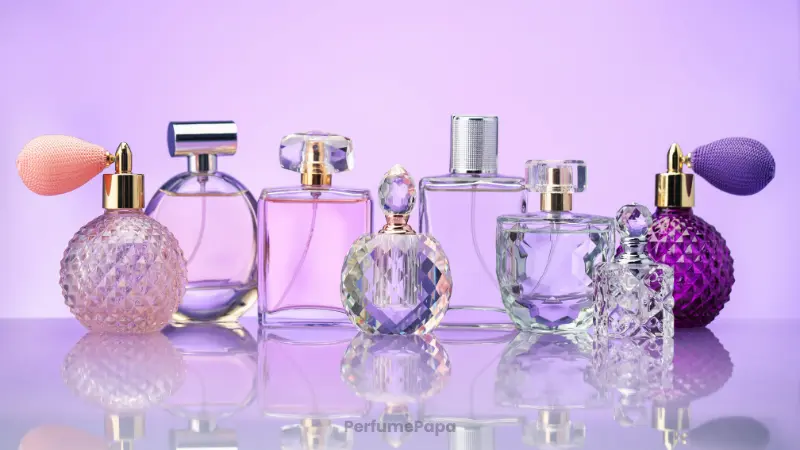
Decoding Desire: The 5 Hidden Truths of the Luxury Perfume Market in 2026
The Scent of Tomorrow: Navigating the Evolving Luxury Perfume Landscape
The luxury perfume market, a realm traditionally defined by exclusivity, heritage, and artistry, stands at an unprecedented inflection point. As we systematically analyzed market dynamics, consumer behavior shifts, and technological advancements, it became unequivocally clear that the landscape of olfactory desire is undergoing a profound metamorphosis. What once sufficed as a hallmark of aspiration – a well-known brand name or a classic bottle – is now just the entry point. Consumers in 2026 are not merely seeking a scent; they are pursuing an experience, a statement, and a reflection of their deepest values.
For over a decade, our strategic insights have guided leading brands through complex market evolutions. We have observed that the true drivers of purchase in the luxury fragrance sector are increasingly hidden beneath layers of conventional marketing. Understanding these latent forces is not merely advantageous; it is essential for survival and prosperity. We meticulously dissect the market, revealing five pivotal truths that will define success in this captivating domain.
Truth 1: The Ascendance of Hyper-Personalization and Bespoke Experiences
The era of mass-produced luxury is waning. Modern consumers, particularly those with disposable income and a discerning palate, are increasingly rejecting the notion of owning what everyone else possesses. Their desire is not for exclusivity in a limited run, but for unique personal expression. This fundamental shift is propelling hyper-personalization to the forefront of the luxury perfume market.
Beyond Mass Market: The Craving for Uniqueness
We have witnessed a significant migration of consumers away from mainstream, widely available fragrances towards niche and artisanal brands. This trend is driven by a profound yearning for individuality. Digital technologies, particularly artificial intelligence (AI) and advanced data analytics, are becoming indispensable tools in fulfilling this demand. Brands are now leveraging sophisticated algorithms to analyze individual preferences, purchase histories, and even social media sentiment to recommend or even formulate bespoke scent profiles. Imagine an AI-powered questionnaire that not only considers your preferred notes but also your lifestyle, mood, and even your unique skin chemistry to suggest a blend that feels intrinsically 'you'. This is no longer futuristic speculation; it is the present reality of leading innovators.
The Art of Bespoke Blending: A New Luxury Standard
The ultimate expression of personalization lies in bespoke blending. Leading luxury houses are investing heavily in perfumers and facilities dedicated to crafting custom fragrances from scratch. This involves a one-on-one consultation process, often spanning several sessions, where a master perfumer works directly with a client to create a truly unique olfactory signature. The psychological appeal is immense: owning a fragrance that literally no one else in the world possesses. This level of customization naturally commands premium pricing, often starting from several thousand USD, and fosters an unparalleled level of brand loyalty. It transforms a transaction into an intimate, artistic collaboration, solidifying the brand's position as a curator of individual identity.
Truth 2: Sustainability as the New Olfactory Gold Standard
Environmental consciousness is no longer a peripheral concern; it is a core value influencing purchasing decisions across all luxury sectors, and the perfume market is no exception. Consumers in 2026 are not just buying a beautiful scent; they are investing in a brand's ethos and its commitment to the planet. Sustainability has transitioned from a marketing buzzword to a fundamental pillar of luxury.
Ethical Sourcing and Transparent Supply Chains
The origin of ingredients has become a critical differentiator. Consumers are increasingly demanding transparency regarding the sourcing of raw materials. They want to know that the jasmine was harvested ethically, that the sandalwood is not contributing to deforestation, and that the farmers were paid fair wages. Brands that can provide unequivocal traceability, often utilizing blockchain technology, from the farm gate to the finished bottle, will gain a significant competitive edge. This commitment extends to ensuring biodiversity protection and supporting local communities. The integrity of the supply chain is paramount, and any perceived ethical lapse can irrevocably damage a brand's reputation.
Eco-Conscious Packaging and Refill Programs
Beyond the ingredients themselves, the environmental footprint of packaging is under intense scrutiny. The days of excessive, single-use packaging are rapidly fading. We observe a strong trend towards minimalist design, recyclable materials (glass, aluminum, biodegradable plastics), and innovative refill programs. Luxury brands are introducing elegant, reusable bottles that consumers can replenish at a lower cost, thereby reducing waste and fostering ongoing engagement. This not only aligns with eco-friendly principles but also builds a recurring revenue stream and strengthens customer loyalty. The shift is not just about reducing plastic; it is about rethinking the entire lifecycle of the product and its presentation. For a deeper dive into sustainable consumer trends, we recommend exploring insights from leading industry analysts such as McKinsey & Company's sustainability reports.
Truth 3: The Digital Renaissance: Experiential E-commerce and Web3 Integration
The traditional retail experience for luxury perfume, with its tactile exploration and knowledgeable sales associates, remains vital. However, the digital realm is no longer a mere supplementary channel; it is evolving into an immersive, experiential space that is redefining how consumers discover, interact with, and purchase fragrances. The integration of advanced digital technologies, including Web3 concepts, is opening new frontiers.
Overcoming the Olfactory Barrier Online
One of the perennial challenges of selling perfume online has been the inability to "smell" through a screen. Innovative brands are overcoming this barrier through ingenious digital tools. AI-driven scent discovery quizzes, which analyze lifestyle, preferences, and even mood to suggest fragrances, are becoming more sophisticated. Augmented Reality (AR) filters allow users to virtually "try on" bottles, see how they look on their vanity, or even visualize the scent's aura. Virtual Reality (VR) is enabling fully immersive brand experiences, allowing consumers to explore a brand's heritage, watch the creation process, or even "walk through" the fields where ingredients are harvested, creating a powerful emotional connection long before a purchase is made.
NFTs and Blockchain: Authenticity and Exclusivity in the Metaverse
The emerging landscape of Web3, encompassing non-fungible tokens (NFTs) and blockchain technology, presents novel opportunities for luxury perfume brands. NFTs can serve as irrefutable certificates of authenticity for rare, limited-edition, or bespoke fragrances, combating counterfeiting and ensuring provenance. Imagine owning a digital token that verifies the unique batch of rare oud in your bottle, granting you access to exclusive brand experiences or future limited releases. Furthermore, the metaverse offers a virgin territory for brand engagement. Virtual storefronts, digital twins of physical perfumes, and exclusive metaverse-only scent launches are becoming avenues for reaching a new generation of digital-native luxury consumers. These digital assets can be traded, collected, and represent a new form of status within virtual worlds, extending the brand's reach and influence beyond physical limitations.
Truth 4: The Blurring Lines: Gender-Neutrality and Cultural Inclusivity
Societal norms surrounding gender and cultural identity are rapidly evolving, and the luxury perfume market is mirroring this transformation. The rigid categorization of fragrances as "for him" or "for her" is increasingly perceived as antiquated and restrictive. The future is decidedly more fluid and inclusive.
Deconstructing Traditional Scent Categories
For decades, the perfume industry has relied on gender-specific marketing, associating certain notes (e.g., florals for women, woods for men) with distinct identities. We are witnessing a powerful deconstruction of these traditional categories. Consumers are gravitating towards gender-neutral, or "gender-fluid," fragrances that defy conventional classification. This allows individuals to choose scents based purely on their aromatic appeal and personal preference, rather than prescribed societal roles. Brands that embrace this fluidity through inclusive marketing and product development are resonating strongly with a diverse, modern audience. It’s about celebrating individual expression over outdated stereotypes.
Global Narratives and Indigenous Ingredients
The pursuit of authenticity and diversity also extends to the cultural narratives embedded within fragrances. Brands are exploring and celebrating indigenous ingredients and traditional scent profiles from various cultures around the world. This goes beyond simply sourcing exotic notes; it involves understanding and respecting the cultural significance, working collaboratively with local communities, and ensuring equitable benefit-sharing. Authenticity is paramount here; genuine cultural exchange and respect differentiate true inclusivity from opportunistic appropriation. The story behind a unique ingredient, its cultural heritage, and its ethical journey can add profound depth and meaning to a luxury fragrance, appealing to a globalized consumer base seeking meaningful connections.
Truth 5: The Wellness and Mood-Enhancement Imperative
As holistic well-being continues its ascendancy as a paramount consumer concern, the role of fragrance is expanding beyond mere adornment. Perfume is increasingly viewed as a tool for self-care, mood regulation, and even cognitive enhancement. This shift marks a significant evolution in consumer expectations and product development.
Fragrance as a Holistic Experience
We've observed a growing demand for fragrances that contribute to overall well-being. Consumers are looking for scents that do more than just smell good; they want fragrances that evoke feelings of calm, boost energy, enhance focus, or aid relaxation. This has given rise to "functional fragrances" or "neuro-fragrances" – perfumes formulated with specific aromatic compounds known for their psychophysiological effects. Backed by scientific research, these fragrances often incorporate ingredients like lavender for relaxation, citrus for invigoration, or sandalwood for grounding. This approach positions perfume not just as a luxury item, but as an integral part of a holistic lifestyle and self-care ritual.
Aromatic Therapy and Self-Care Rituals
The integration of fragrance into daily wellness routines is becoming more prevalent. This includes products designed for specific times of day – an energizing morning mist, a focusing midday spray, or a calming evening scent to prepare for sleep. Brands are developing innovative application methods, from fine mists to roll-ons for pulse points, encouraging mindful engagement with the scent. This trend is supported by an increasing body of scientific evidence on the impact of olfaction on the brain. Academic institutions, such as the Monell Chemical Senses Center, conduct extensive research into the mechanisms by which scents influence human perception and behavior, providing a scientific foundation for this emerging market segment.
Comparative Analysis: Old Luxury vs. New Luxury Perfumery
To further contextualize these hidden truths, we present a comparative overview of the traditional luxury perfume market versus the emerging landscape of new luxury perfumery, highlighting key differentiators:
| Aspect | Old Luxury Perfumery (Pre-2020) | New Luxury Perfumery (2026 and Beyond) |
|---|---|---|
| Core Value Proposition | Status, heritage, recognizable brand, mass aspiration. | Personalized expression, unique identity, ethical values, sensory wellness. |
| Product Development Focus | Signature scents, broad appeal, celebrity endorsements, strong brand legacy. | Bespoke formulations, niche ingredients, functional benefits, narrative-driven. |
| Marketing & Sales Strategy | Exclusive retail locations, glossy magazines, gender-specific campaigns. | Experiential e-commerce, AR/VR, Web3 engagement, inclusive digital storytelling. |
| Consumer Relationship | Transactional, aspirational. | Collaborative, community-driven, values-aligned. |
| Sustainability & Ethics | Minimal concern, often an afterthought. | Core design principle, transparent sourcing, circular economy models (e.g., refills). |
| Pricing Strategy | Premium pricing based on brand and ingredient cost. | Premium pricing based on personalization, unique experience, and sustainable value chain. |
The Future of Olfactory Desire: Strategic Implications for Brands
These five hidden truths reveal a luxury perfume market that is more dynamic, demanding, and interconnected than ever before. For brands aiming to not just survive but thrive in 2026 and beyond, understanding and actively responding to these shifts is paramount. The strategic implications are profound:
- Embrace Agility and Innovation: The pace of change demands continuous innovation in product development, marketing, and consumer engagement. Brands must be willing to experiment with new technologies and business models.
- Authenticity is Non-Negotiable: From ethical sourcing to genuine inclusivity, consumers demand transparency and authenticity. Brands must walk the talk, ensuring their values are reflected in every aspect of their operation.
- Personalization at Scale: Invest in AI and data analytics to offer highly individualized experiences, from scent recommendations to bespoke creation.
- Build Digital Worlds: Leverage Web3, AR, and VR to create immersive digital experiences that overcome physical limitations and engage new demographics.
- Holistic Brand Storytelling: Position fragrances not just as beauty products, but as integral components of well-being, personal identity, and ethical living.
Crafting the Future of Scent
The luxury perfume market in 2026 will be defined by its ability to decode and cater to an increasingly sophisticated and ethically aware consumer. The hidden truths of hyper-personalization, unwavering sustainability, digital immersion, gender fluidity, and wellness integration are not mere trends; they are foundational shifts. Brands that anticipate these changes, innovate with purpose, and communicate with authenticity will be the architects of tomorrow's olfactory desire, continuing to enchant, inspire, and elevate the art of fragrance in a truly modern context.
Suggested Articles
 Fragrance trends
Future Fragrance Trends: 2026 & Beyond
Explore unexpected fragrance trends for 2026 and beyond, from sustainable sourcing to AI-driven personalization and w...
Read Article arrow_forward General
Best Long-Lasting Floral Perfumes for Women: 15 Enduring Scents
Discover the top 15 floral perfumes for women known for their exceptional longevity and captivating aroma, ensuring y...
Read Article arrow_forward General
Fragrance Trends 2026: Disrupting the Scent Scene
Explore the groundbreaking fragrance trends set to define 2026. From sustainable scents to personalized aromas, disco...
Read Article arrow_forward
General
Best Perfume for a Night Out in 2026: Sensual & Statement Scents
Discover the ultimate night out perfumes for 2026. Explore sensual, statement-making fragrances with expert tips on l...
Read Article arrow_forward