

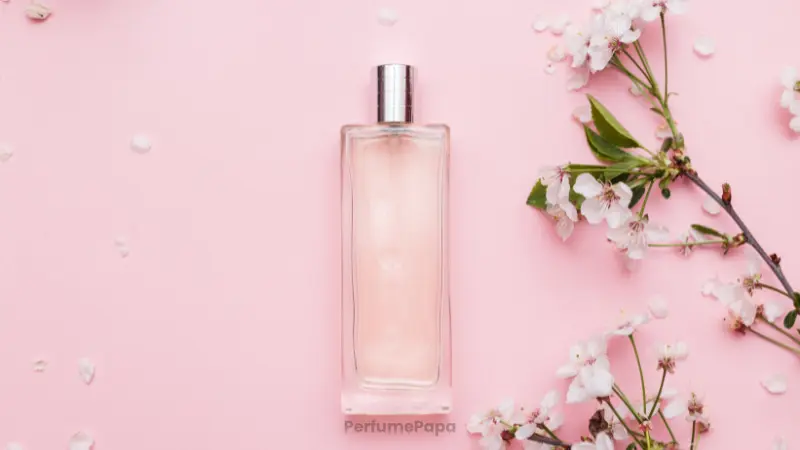
EDP vs EDT vs Parfum: Choosing Your Fragrance Strength
The world of fine fragrances is an intoxicating blend of art and science, offering an unparalleled sensory experience. Yet, navigating the myriad options, particularly the distinctions between ‘Parfum,’ ‘Eau de Parfum’ (EDP), and ‘Eau de Toilette’ (EDT), can often feel like deciphering an ancient code. These terms aren't just fancy labels; they denote the concentration of aromatic compounds in a fragrance, directly impacting its longevity, projection (sillage), and overall intensity. Understanding these differences is crucial for selecting a scent that perfectly aligns with your personal style, the occasion, and even the climate.
We systematically analyzed the core characteristics of each fragrance strength to demystify the choices. Our goal is to empower you with the knowledge needed to make an informed decision, ensuring your chosen fragrance performs exactly as you expect, enhancing your presence rather than overwhelming it.
Understanding Fragrance Concentration: The Core Principle
At its heart, a fragrance is a blend of aromatic oils (also known as 'juice' or 'concentrate') mixed with alcohol and a small amount of water. The ratio of these aromatic oils to the diluent (primarily alcohol) determines its concentration level, which in turn dictates how long the scent lasts and how strongly it projects from your skin. Higher concentrations generally mean more expensive ingredients, greater longevity, and a richer, more profound scent profile. The alcohol serves not only as a diluent but also as a vehicle, helping the fragrance evaporate and diffuse into the air around you.
The specific aromatic compounds used, their volatility, and how they interact with individual skin chemistry also play significant roles, but concentration remains the primary indicator of a fragrance's inherent strength.
Parfum (Extrait de Parfum): The Apex of Concentration
Parfum, often referred to as Extrait de Parfum or pure perfume, represents the highest concentration of fragrance available. It is the most potent, long-lasting, and generally the most expensive form of fragrance.
- Concentration: Typically contains 20-40% aromatic compounds. While industry standards vary, this range ensures a profoundly rich and enduring scent experience.
- Longevity: Due to its high concentration, Parfum offers exceptional longevity, often lasting 8-12 hours, and sometimes even longer on the skin.
- Sillage (Projection): Parfums tend to have a more intimate sillage, meaning they stay closer to the body rather than projecting widely. This makes them ideal for close encounters or situations where a subtle, yet undeniable, presence is desired.
- Typical Use: Best suited for evening wear, special occasions, or when a luxurious and long-lasting impression is paramount. A small dab is often sufficient.
- Cost: Reflects the high percentage of costly raw materials and often intricate formulations.
Eau de Parfum (EDP): The Everyday Luxury
Eau de Parfum (EDP) is arguably the most popular and versatile fragrance concentration today, striking an excellent balance between potency, longevity, and affordability. It offers a rich scent experience without the intense sillage or cost of a pure Parfum.
- Concentration: Usually contains 15-20% aromatic compounds. This range provides a noticeable presence while remaining adaptable.
- Longevity: EDPs typically last 5-8 hours on the skin, making them suitable for an entire workday or a lengthy social event.
- Sillage (Projection): Offers moderate to strong sillage, projecting a noticeable aura around the wearer without being intrusive. It's often described as a 'personal cloud' of scent.
- Typical Use: Extremely versatile, ideal for daily wear, office environments, casual outings, and many evening events. It’s a go-to choice for those who desire a persistent fragrance presence.
- Cost: Generally more accessible than Parfum, making it a popular choice for regular use.
Eau de Toilette (EDT): The Refreshing Staple
Eau de Toilette (EDT) is lighter, fresher, and often more invigorating than its EDP counterpart. It's designed for a quick refresh and a more casual, vibrant appeal.
- Concentration: Contains 5-15% aromatic compounds. This lower concentration contributes to its lighter character.
- Longevity: EDTs typically last 3-5 hours, requiring reapplication if you wish for the scent to endure throughout the day.
- Sillage (Projection): Features light to moderate sillage, creating a refreshing burst of scent that dissipates more quickly. It's noticeable but not dominant.
- Typical Use: Excellent for warmer climates, daytime wear, casual settings, or when you prefer a less intense fragrance presence. It's a popular choice for spring and summer scents.
- Cost: Often the most budget-friendly of the main three, reflecting its lower concentration of raw materials.
Eau de Cologne (EDC) and Eau Fraîche: Lighter Options
Suggested Articles
 General
Best Affordable Niche Fragrances Under $150 (2026)
Discover a curated list of the best affordable niche fragrances under $150 for 2026. Elevate your scent wardrobe with...
Read Article arrow_forward General
Best Office Perfume for Women in 2026: Professional & Subtle Scents
Discover the top professional and subtle perfumes for women in 2026 that perfectly balance elegance with office etiqu...
Read Article arrow_forward General
Beyond the Bottle: 5 Luxury Refillable Perfumes for 2026
Discover 5 jaw-dropping luxury refillable perfumes setting trends for 2026. Embrace sustainable elegance and reduce w...
Read Article arrow_forward General
Best Oriental Perfumes for Women: Warm, Sexy & Unforgettable
Discover the captivating world of oriental fragrances for women. This guide unveils the top warm, spicy, and resinous...
Read Article arrow_forward