

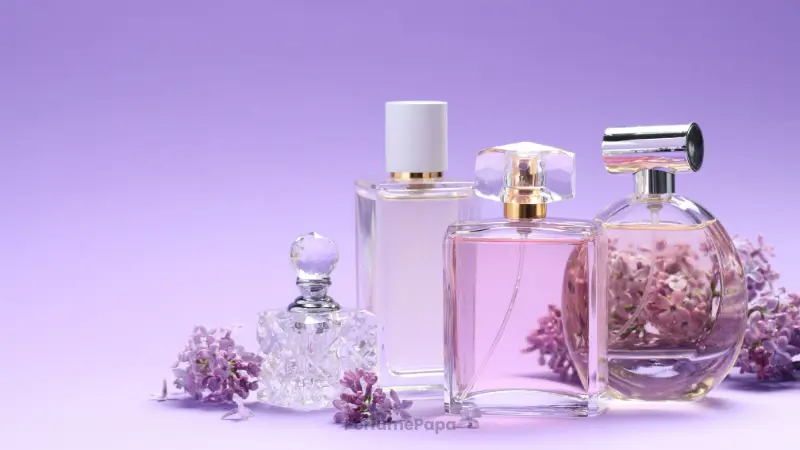
The Olfactory Revolution Led by Gen Z
Generation Z, comprised of individuals born roughly between 1997 and 2012, stands at the forefront of a significant cultural and consumer shift. As the first truly digital native generation, their perspectives on identity, sustainability, and authenticity are not just preferences but fundamental values that permeate every aspect of their consumption habits, including the highly personal world of fragrance. Unlike previous generations, Gen Z seeks more than just a pleasant aroma; they demand transparency, ethical production, and scents that genuinely reflect their multifaceted identities. This demographic is poised to redefine fragrance trends, making 2026 a pivotal year for innovation and adaptation within the industry.
Their influence stems from a unique blend of digital fluency, social consciousness, and a deep appreciation for self-expression. They are not passive consumers but active participants in shaping market narratives, often leveraging platforms like TikTok and Instagram to discover, review, and ultimately dictate what becomes popular. Brands that fail to resonate with Gen Z's core values risk becoming obsolete, while those that embrace their ethos are set to thrive. Understanding this dynamic is crucial for anyone looking to navigate the future landscape of perfumery and engage with the next wave of fragrance enthusiasts.
Beyond Gender: The Rise of Fluid and Gender-Neutral Scents
One of the most profound shifts Gen Z is driving is the deconstruction of traditional gender norms in fragrance. The antiquated concepts of 'for him' and 'for her' are rapidly losing relevance. Gen Z views gender as fluid and personal, and their fragrance choices reflect this belief, gravitating towards scents that defy binary classifications. They prioritize how a scent makes them feel and how it aligns with their individual expression, rather than conforming to societal expectations based on gender.
This movement towards gender-neutral and gender-fluid fragrances means a broader palette of notes is becoming mainstream. Traditional 'masculine' notes like woods and leathers are being blended seamlessly with 'feminine' notes such as florals and gourmands, creating complex, ambiguous, and universally appealing compositions. Brands that embrace this inclusivity, offering fragrances marketed simply as 'for all' or with descriptions focusing on mood and experience rather than gender, are capturing Gen Z's attention. This trend is not just about blending notes; it's about fostering a sense of freedom and authenticity that resonates deeply with a generation committed to individual truth.
Sustainability and Ethical Sourcing: A Core Value Proposition
Environmental consciousness is not a marketing buzzword for Gen Z; it's a non-negotiable expectation. They are acutely aware of climate change and social justice issues, demanding that the products they consume reflect a commitment to planetary and human well-being. This translates directly to their fragrance choices, where transparency in sourcing, sustainable practices, and ethical production are paramount. Brands must go beyond superficial greenwashing to demonstrate genuine dedication to these principles.
Key areas of focus include: ethically sourced fragrance ingredients, from natural botanicals to synthetic molecules developed with green chemistry principles; refillable packaging solutions that minimize waste; and cruelty-free, vegan formulations free from harmful chemicals. Gen Z actively researches brands' environmental policies and supply chains, using their purchasing power to support companies that align with their values. For brands, this means investing in sustainable innovations, transparently communicating their efforts, and ensuring their entire lifecycle, from farm to bottle, is environmentally and socially responsible. This isn't a niche market; it's the future standard for the industry.
The Influence of Digital Culture: TikTok, Personalization, and AI
Gen Z's digital fluency has transformed how fragrances are discovered, reviewed, and purchased. TikTok, in particular, has become a powerful arbiter of taste, launching perfumes into viral sensations overnight through authentic, user-generated content. Short-form videos, 'get ready with me' routines, and candid reviews by peers hold more sway than traditional advertising campaigns. This platform has democratized fragrance discovery, shifting influence from established experts to relatable content creators.
Beyond social media, Gen Z craves personalization. They desire unique scents that express their individuality, moving away from mass-market ubiquity. This trend fuels interest in bespoke fragrance services, custom blending kits, and even AI-powered tools that analyze scent preferences to recommend or create personalized perfumes. Technology is also enhancing the pre-purchase experience, with virtual try-on apps and interactive digital consultations becoming more sophisticated. Brands looking to succeed in 2026 must master digital engagement, offering seamless online experiences and fostering communities where fragrance enthusiasts can connect and share their discoveries. Many innovative discussions and insights into evolving scent trends can be found by exploring various fragrance industry posts that delve into these digital transformations.
Scent as Self-Expression: Mood-Enhancing and Wellness Fragrances
For Gen Z, fragrance extends beyond merely smelling good; it's a powerful tool for self-expression, mood regulation, and overall well-being. This generation often views their personal scent as an extension of their identity and a means to communicate their current mood or desired aura. Consequently, there's a growing demand for functional fragrances – those designed not just to delight the senses but to evoke specific emotional states, such as calm, focus, energy, or confidence.
Aromatherapy principles are increasingly integrated into mainstream perfumery, with brands highlighting the psychological benefits of their formulations. Ingredients known for their mood-enhancing properties, like lavender for relaxation, citrus for invigoration, or sandalwood for grounding, are prominently featured. Fragrances are becoming part of a holistic wellness routine, chosen to complement personal rituals, reduce stress, or enhance mindfulness. This trend underscores Gen Z's desire for products that offer more than superficial appeal, seeking depth and purpose in their consumption choices.
The Resurgence of Niche and Indie Brands
Driven by a desire for authenticity and uniqueness, Gen Z is increasingly turning away from mainstream designer brands in favor of niche and independent perfumers. These smaller brands often offer distinctive scent profiles, compelling narratives, and a more personal connection with their creators. They represent an escape from the homogeneity of mass-market offerings, providing the bespoke and individualistic experience that Gen Z values highly.
Niche brands typically pride themselves on using high-quality, sometimes rare ingredients, and on unconventional compositions that push the boundaries of traditional perfumery. Their marketing often focuses on storytelling, craftsmanship, and artistic expression, appealing to Gen Z's appreciation for genuine artistry and ethical business practices. The accessibility of indie brands through online platforms and curated boutiques allows Gen Z to discover and support these unique ventures, further accelerating their rise in influence. This shift is not just about finding an exclusive scent; it's about aligning with brands that embody a similar ethos of creativity, independence, and transparency.
Transparency and Ingredient Storytelling
Gen Z is arguably the most informed consumer generation to date. They expect complete transparency from brands, particularly regarding ingredients. The 'clean beauty' movement has profoundly impacted fragrance, with consumers demanding clear, understandable ingredient lists and a commitment to formulations free from parabens, phthalates, and other potentially harmful chemicals. Simply stating a product is 'natural' is no longer enough; Gen Z wants to know the origin of ingredients, the methods of extraction, and the ethical implications of their sourcing.
Brands that can articulate a compelling ingredient story – detailing where their raw materials come from, how they are sustainably harvested, and the community impact of their supply chain – will build invaluable trust and loyalty. This includes transparency about synthetic ingredients, where brands can highlight innovative green chemistry and safety testing. Authenticity in communication, backed by verifiable practices, is key to winning over this discerning demographic. Brands must be prepared to educate their consumers and openly share their processes, fostering a relationship built on honesty and mutual respect.
The Future of Fragrance Retail in the Gen Z Era
Retail experiences must evolve to meet Gen Z's expectations, blending innovative digital interactions with meaningful in-person engagements. The traditional department store counter, while still relevant for some, often lacks the experiential and personalized touch that Gen Z craves. Future retail strategies will focus on creating immersive environments that allow for discovery and experimentation, both online and offline.
This includes pop-up shops offering personalized scent consultations, interactive digital kiosks providing virtual scent journeys, and flagship stores designed as sensory exploration hubs. Seamless omnichannel integration, where online discovery transitions effortlessly to in-store experiences and vice-versa, is crucial. Furthermore, the emphasis will be on education and community building, with brands hosting workshops, scent pairing events, and opportunities for consumers to co-create or provide feedback on new products. Authenticity in marketing and sales approaches, focusing on genuine connection rather than hard selling, will define successful fragrance retail in 2026 and beyond.
Conclusion: Adapting to the Gen Z Olfactory Paradigm
The influence of Gen Z is not merely a passing trend but a fundamental recalibration of the fragrance industry's priorities. Their demand for authenticity, sustainability, inclusivity, personalization, and digital-first engagement is shaping a future where fragrance is more than just a luxury item; it’s a profound medium for self-expression and a reflection of deeply held values. Brands that proactively embrace these shifts – by investing in ethical sourcing, developing gender-fluid and functional scents, fostering digital communities, and committing to radical transparency – will be the ones that thrive.
The fragrance landscape of 2026 will be dynamic, innovative, and deeply personal, driven by a generation that views scent as an integral part of their identity and their impact on the world. For perfumers, marketers, and retailers alike, understanding and adapting to the Gen Z olfactory paradigm is not just a strategic advantage; it’s an imperative for relevance and sustained success in an ever-evolving market.
Suggested Articles
 General
Scent's Next Frontier: 6 Perfumers Redefining Gender-Neutrality
Discover 6 visionary perfumers leading the charge in 2026, redefining gender-neutral compositions with innovative ing...
Read Article arrow_forward General
Shaping Your Scent Story: The Forces Behind 2026's Fragrance Trends
Explore the major forces — from sustainability and AI to wellness and cultural fusion — that are shaping the evolving...
Read Article arrow_forward
General
Best Cologne for Date Night 2026: Scents She Won't Forget
Discover the top colognes for date night in 2026 that leave a memorable impression. Learn what makes a scent irresist...
Read Article arrow_forward
General
Oud Wood vs Tobacco Oud: Tom Ford's Two Kings Compared
A deep dive into Tom Ford's iconic Private Blend fragrances, Oud Wood and Tobacco Oud. Discover their unique profiles...
Read Article arrow_forward