

Luxury Perfume in 2026: Is It Worth the Investment? The Shocking Truth Behind High-End Scents
The world of luxury perfume has always held a powerful allure, promising more than just a scent, but an experience, a statement, and often, a piece of art. Yet, as we navigate the complexities of 2026, with evolving consumer values, technological advancements, and a heightened focus on transparency, the question arises: is luxury perfume truly worth the investment today? We, as content strategists and industry observers, have systematically analyzed the multifaceted landscape of high-end fragrances to uncover the truth behind their enduring appeal and economic justification. This deep dive will explore what truly defines luxury in the olfactory realm, where its value lies, and how discerning consumers can make the smartest fragrance investments.
Defining "Luxury" in the Olfactory World of 2026
Before assessing the 'worth,' it's crucial to establish what "luxury" signifies in the contemporary fragrance market. In 2026, luxury perfume transcends mere high pricing. It encompasses an intricate blend of exceptional raw materials, unparalleled craftsmanship, artistic integrity, exclusivity, and a compelling brand narrative. Unlike mass-market offerings driven primarily by broad appeal and cost-efficiency, luxury scents are often born from a vision, a specific story, or a desire to push olfactory boundaries. Consumers are increasingly sophisticated, demanding not just a pleasant smell, but an ethical origin, sustainable practices, and a unique sensory journey. The definition has broadened to include not only established heritage houses but also innovative niche and indie brands that prioritize artistry over mass production.
The Anatomy of a High-End Scent: What Justifies the Price Tag?
The premium price point of luxury perfumes is often a point of contention. However, when we dissect the components and processes involved, the justification becomes clearer. It's a combination of tangible and intangible elements that elevate a fragrance beyond the ordinary.
- Raw Materials: The foundation of any exquisite perfume lies in its ingredients. Luxury fragrances frequently feature rare, difficult-to-extract, or ethically sourced natural ingredients such as genuine Mysore sandalwood, natural oud (agarwood), true ambergris (a highly sought-after excretion from sperm whales, often synthetically replicated due to rarity and ethical concerns), or specific floral absolutes like Grasse jasmine or Bulgarian rose. These materials are incredibly expensive, often costing thousands of USD per kilogram. While modern perfumery skillfully employs synthetics, luxury brands often use the highest quality, most innovative, and often proprietary synthetic molecules developed through extensive research and development, which can also be costly. The blend of these premium naturals and sophisticated synthetics creates complex, multi-dimensional scents that are impossible to replicate cheaply.
- Craftsmanship & Artistry: The creation of a luxury perfume is an art form. It involves master perfumers, often referred to as "noses," who possess decades of training, an encyclopedic knowledge of thousands of raw materials, and an innate talent for composition. The process is iterative and laborious, sometimes taking years to perfect a formula. These perfumers are akin to haute couture designers, meticulously balancing notes, ensuring harmony, and creating a unique olfactory signature. Their expertise and the time invested in formulation are significant contributors to the cost.
- Concentration & Longevity: Luxury perfumes frequently boast higher concentrations of pure perfume oil. While Eau de Toilette (EDT) might contain 5-15% pure perfume oil, luxury offerings often come as Eau de Parfum (EDP) with 15-20%, or even Extrait de Parfum (Pure Perfume) with 20-40% concentration. This higher concentration directly impacts sillage (the trail a fragrance leaves) and longevity, meaning the scent lasts longer on the skin and projects more effectively, providing a more enduring experience per application.
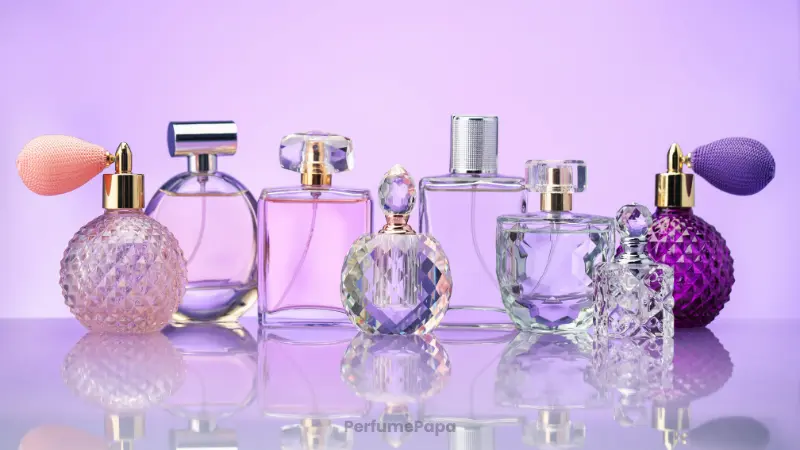
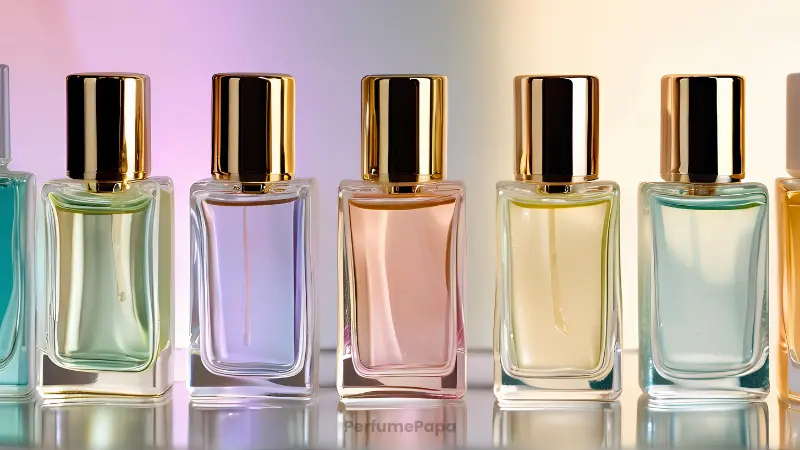
- Packaging & Presentation: The experience of luxury extends beyond the scent itself to the tactile and visual elements. High-end perfumes are housed in bottles crafted from premium glass, sometimes hand-blown or designed by renowned artists. Details like engraved caps, intricate labels, opulent boxes, and even refillable mechanisms add to the overall aesthetic and perceived value. This meticulous attention to presentation elevates the unboxing and application process, making it a ritual rather than a routine.
Market Trends Shaping Luxury Perfume in 2026
The luxury perfume landscape is dynamic, constantly adapting to global shifts and consumer preferences. In 2026, several key trends are significantly influencing product development, marketing, and the overall perception of value.
- Sustainability and Ethical Sourcing: This is no longer a niche concern but a core expectation. Consumers, particularly younger demographics, are scrutinizing brands' environmental footprint and social responsibility. Luxury houses are responding by investing in traceable, sustainably harvested ingredients, promoting refillable bottles, reducing packaging waste, and ensuring fair labor practices. Brands that demonstrate genuine commitment to these values are gaining significant trust and market share. We have observed a marked increase in demand for transparency regarding ingredient origins and manufacturing processes.
- Personalization & Bespoke Fragrance: The ultimate expression of luxury is exclusivity. Bespoke fragrance services, where a perfumer crafts a unique scent tailored specifically for an individual, are gaining traction. While prohibitively expensive for most, this trend fuels the desire for personalized experiences, leading to brands offering custom engraving, limited editions, or digital tools that help consumers discover scents aligned with their preferences.
- Digitalization & E-commerce: The luxury segment, once hesitant to fully embrace online sales, has now integrated e-commerce seamlessly. Augmented reality (AR) try-on experiences, sophisticated online scent-discovery quizzes, and luxurious digital content are bridging the gap between the online and offline experience. This accessibility also means that luxury brands must work harder to maintain their exclusive aura while reaching a broader audience.
- The Rise of Niche & Indie Brands: These smaller, often artisanal brands challenge the traditional luxury giants by focusing on unique, unconventional scent profiles, artistic freedom, and direct connection with their audience. They often prioritize ingredient quality and innovative compositions over extensive marketing, appealing to consumers seeking originality and authenticity. Many of these brands offer "luxury without the label," providing high-quality scents at a more accessible premium price point.
- Cultural Influences: Global cultures increasingly inform fragrance trends. Ingredients and scent profiles popular in specific regions, such as the Middle East's love for oud and rose, or Asian preferences for lighter, fresher notes, are influencing global luxury collections. This cross-pollination enriches the market and offers diverse olfactory experiences.
For the conscientious luxury consumer in 2026, discerning truly ethical and sustainable practices requires more than just reading marketing claims. We advise looking for third-party certifications (e.g., Fair Trade, Ecocert), transparent supply chain information, and clear commitments to biodiversity protection and social responsibility from the brand's official channels. Prioritize brands that offer refill programs or use recyclable/recycled packaging. Engaging with brand representatives or reading independent reviews focused on ethical practices can also provide valuable insights, ensuring your investment aligns with your values.
The Perceived Value: Beyond the Price Tag
The worth of a luxury perfume extends far beyond its constituent parts and production cost. Its true value often lies in the intangible benefits it offers to the wearer.
- Emotional Connection: Fragrance is intimately linked to memory and emotion. A luxury scent can evoke specific feelings, recall cherished moments, or even shape one's identity. It's a personal ritual, a daily affirmation, or a special occasion enhancer that contributes significantly to well-being and self-perception.
- Status & Self-Expression: For many, luxury perfume is a form of self-expression and a subtle status symbol. Wearing a unique, high-quality fragrance communicates a certain taste, sophistication, and attention to detail. It's a non-verbal cue that can enhance confidence and leave a lasting impression.
- Investment in Self: Viewing luxury perfume as an investment in self-care and personal enjoyment is a common perspective. The act of choosing, applying, and wearing a beautiful scent can be a profound sensory pleasure, providing a moment of indulgence in an often-hectic world. This subjective value is difficult to quantify but holds significant weight for consumers.
- Longevity and Performance: While subjective, many users report that luxury fragrances, due to their higher quality ingredients and concentrations, genuinely last longer on the skin and evolve more beautifully throughout the day. This improved performance often means less product is needed per application, potentially offsetting some of the initial higher cost over time.
Luxury vs. Mass-Market Fragrances: A Comparative Analysis
To further understand the value proposition, it's helpful to compare luxury offerings with their mass-market counterparts.
| Feature | Luxury Fragrance | Mass-Market Fragrance |
|---|---|---|
| Ingredients | Often rare, natural, high-quality, ethically sourced; complex synthetic accords; proprietary molecules. | More common, synthetic-dominant; cost-effective, often with fewer rare naturals. |
| Concentration | Typically higher (EDP, Extrait de Parfum); superior sillage & longevity. | Generally lower (EDT, EDC); moderate sillage & longevity. |
| Artistry | Master perfumers, unique, complex, often daring and innovative compositions; focus on storytelling. | Market-driven, broad appeal, simpler, often trending profiles; emphasis on mass consumer preference. |
| Exclusivity | Limited distribution, unique brand narratives, bespoke options, artisanal production. | Widespread availability (drugstores, department stores), celebrity endorsements, mass appeal. |
| Price Point | Higher, reflecting ingredients, craftsmanship, branding, and exclusivity (e.g., 100-500 USD+). | Lower, accessible to a wider consumer base (e.g., 20-80 USD). |
| Packaging | High-quality materials, artistic designs, often collectible, refillable options. | Standardized, functional, less emphasis on artisanal detail or unique aesthetics. |
Where to Invest Your Fragrance Budget in 2026
Investing in luxury perfume isn't solely about purchasing the most expensive bottle; it's about making discerning choices that align with your preferences, values, and desired experience. Here's how to navigate the market effectively:
- Understanding Your Preferences: Before investing, take time to explore different scent families (e.g., floral, oriental, woody, fresh), note your skin chemistry's interaction with various notes, and consider occasions for wear. A fragrance that smells incredible on a test strip might not suit your skin, and a heavy oriental might not be ideal for a hot summer day.
- Seeking Out Niche & Indie Brands: Many smaller brands offer exceptional quality and unique compositions, often at a slightly more accessible premium than legacy luxury houses. They invest heavily in ingredients and artistry but may have lower marketing overheads. This allows for discovery of truly distinctive scents that won't be found everywhere.
- Vintage & Discontinued Scents: For collectors or those seeking specific nostalgic fragrances, vintage or discontinued bottles can be a worthwhile investment. However, this comes with risks, as scent degradation can occur over time, and authenticity needs careful verification. These often command high prices in the secondary market.
- Bespoke Experiences: If budget allows, a bespoke fragrance experience is the ultimate luxury investment. It ensures a truly unique, personalized scent that reflects your individual essence and stands apart from any mass-produced offering. This is less about product and more about a deeply personal artistic collaboration.
- Decants & Samples: To avoid costly mistakes, leverage samples and decants (smaller portions of original bottles sold by third parties). This allows for extensive "test drives" before committing to a full bottle, ensuring the scent truly resonates with you and performs well on your skin.
To maximize your luxury perfume investment, we recommend a multi-pronged approach. Firstly, never buy a full bottle without trying a sample or decant for at least a full day. Observe its evolution, longevity, and how it interacts with your personal chemistry. Secondly, invest in proper storage: keep bottles in a cool, dark place away from direct sunlight and humidity to preserve their integrity over time. Thirdly, consider diversifying your collection; instead of multiple similar scents, aim for a curated selection that suits different moods, seasons, and occasions. This ensures every luxury purchase is a valued and utilized part of your olfactory wardrobe.
The "Investment" Aspect: Is Perfume a Tangible Asset?
When discussing "investment," it's crucial to clarify. For the vast majority of consumers, luxury perfume is an investment in personal enjoyment, self-expression, and sensory pleasure, not a financial asset designed to appreciate in monetary value. Unlike fine art or rare wines, a bottle of perfume generally depreciates once opened and used. The primary return is subjective and experiential.
However, there are rare exceptions. Certain highly limited-edition bottles, particularly those with unique packaging (e.g., Baccarat crystal flacons) or those from revered, discontinued lines by iconic perfumers, can appreciate on the secondary market. These are often sought after by collectors and enthusiasts. Yet, this is a niche phenomenon and not the typical experience. According to a report by Bain & Company on the Luxury Goods Market (Spring 2023 Update) Bain.com, while the broader luxury market shows resilience, fragrance as a collectible asset remains a small segment, largely driven by scarcity and historical significance rather than intrinsic scent value over time. Furthermore, understanding the intricate chemistry behind fragrance stability, as explored in articles like "The Fragrance Chemistry of Perfume: A Chemical Guide" from educational sources such as the Royal Society of Chemistry, highlights that even the most well-made perfumes have a shelf life where their chemical compounds can degrade, affecting their scent profile Royal Society of Chemistry. Therefore, viewing perfume as a financial investment requires specific knowledge and is generally not recommended for the average consumer.
Conclusion: The Enduring Value of Olfactory Art
In 2026, the question "Is luxury perfume worth it?" doesn't have a simple yes or no answer. We have found that the worth of luxury perfume is undeniably multifaceted, extending far beyond the initial cost. It is an investment in artistry, meticulous craftsmanship, rare ingredients, and above all, in a deeply personal sensory experience. While not a conventional financial asset, its value lies in the emotional connection, the boost to self-confidence, the expression of individuality, and the sheer pleasure it brings to the wearer. The market trends toward sustainability, personalization, and the rise of niche brands further enrich the landscape, offering more discerning choices than ever before.
Ultimately, a luxury perfume is worth it when its perceived value, both tangible and intangible, aligns with your personal desires and expectations. By understanding the true components of luxury, navigating market trends, and making informed choices based on personal preference and ethical considerations, consumers in 2026 can confidently invest in high-end scents that genuinely enrich their lives. The truth is, luxury perfume remains a potent form of olfactory art, capable of captivating, expressing, and elevating the everyday into the extraordinary.
Suggested Articles
 General
Your Signature Story: How Bespoke Perfume Creation Will Define You in 2026
Read Article arrow_forward
 General
Fragrance Trends 2026: Scenting Our Evolving Values
Explore the future of fragrance in 2026, from sustainable and personalized scents to wellness-focused blends and digi...
Read Article arrow_forward General
 General