

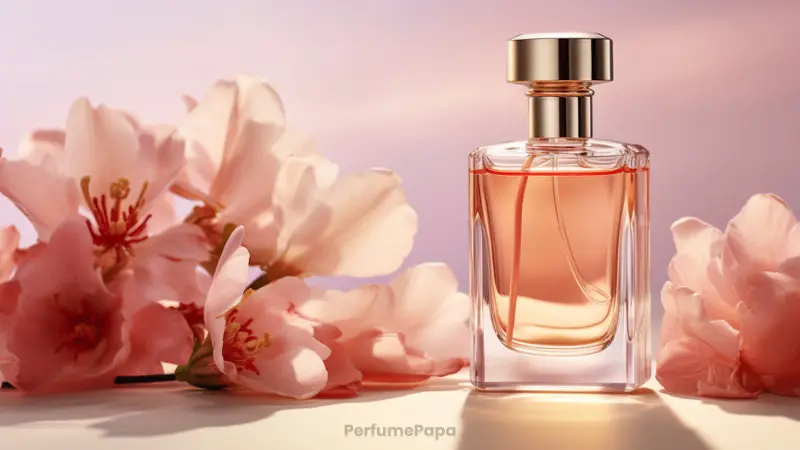
Unveiling the Scented Portfolio: The Allure of Luxury Perfume as an Investment
As seasoned strategists in alternative asset classes, we systematically analyzed the burgeoning interest in luxury goods as viable investment vehicles. Among these, the sophisticated world of high-end perfumery has quietly emerged as a compelling, albeit niche, area for consideration. For many, a bottle of exquisite fragrance is a personal indulgence, a sensory journey. Yet, for a discerning few, it represents a tangible asset with the potential for significant appreciation. Our objective with this guide is to meticulously dissect the intricacies of the luxury perfume market, scrutinizing its potential as a 'smart buy' in 2026, offering an expert perspective grounded in extensive market research and analytical rigor.
The traditional investment landscape often focuses on stocks, bonds, and real estate. However, the diversification imperative has pushed astute investors to explore unconventional avenues, including art, fine wine, rare collectibles, and now, vintage or limited-edition luxury perfumes. We have observed a growing trend where provenance, scarcity, and brand heritage converge to create substantial market value. This article will furnish you with the comprehensive knowledge required to navigate this fascinating investment sphere, empowering you to make informed decisions about whether a 'scented portfolio' aligns with your financial objectives.
Deconstructing the Luxury Fragrance Market: A 2026 Outlook
To assess the investment viability of luxury perfume, we must first understand the dynamics of its market. The global luxury goods market, of which high-end fragrances are a significant component, has shown remarkable resilience and growth, even amidst economic fluctuations. Projections for 2026 indicate continued expansion, driven by increasing disposable incomes in emerging markets, a heightened consumer focus on exclusivity, and a sustained demand for bespoke or limited-edition items. We identify specific segments within this market that are particularly ripe for investment potential.
The Evolving Landscape of Luxury Goods
Luxury is no longer solely about ostentation; it has evolved into a pursuit of heritage, craftsmanship, and unique storytelling. Consumers are increasingly seeking products that offer an emotional connection, a narrative, and a sense of belonging to an exclusive tier. This shift benefits luxury perfumes, which inherently embody artistry, history, and a deeply personal experience. Brands that successfully convey these values often command premium prices and foster dedicated collector bases, directly influencing secondary market values.
We have witnessed how societal shifts, such as the rise of conscious consumerism, also impact the luxury sector. While sustainability and ethical sourcing are becoming paramount for new releases, for investment-grade vintage perfumes, the focus shifts to historical significance and the rarity of the materials used. This duality creates distinct opportunities for different types of collectors and investors.
Key Drivers of Value in Prestige Fragrances
What makes one perfume a fleeting trend and another a coveted collectible? Our analysis points to several critical drivers:
- Brand Heritage and Rarity: Iconic houses like Guerlain, Chanel, Caron, and Patou, particularly their pre-reformulation or limited-edition releases, often hold significant value. The history, the master perfumers behind the creation, and the narrative attached to the brand are crucial.
- Ingredient Scarcity: Natural ingredients like genuine ambergris, Mysore sandalwood, natural oud, and certain types of civet, now rare or restricted, contribute immensely to the value of older formulations. Perfumes containing these components are irreplaceable.
- Original Formulation and Condition: The original, untampered formulation is paramount. Any signs of degradation, evaporation, or exposure to light and heat can drastically reduce value. Pristine, unopened bottles in their original packaging are the gold standard.
- Bottle Design and Packaging: For some collectors, the artistry of the bottle itself, especially those by renowned glassmakers like Baccarat or Lalique, or limited-edition presentation cases, significantly enhances value.
- Provenance: A documented history of ownership, especially if linked to a famous personality or a prestigious collection, can elevate a perfume's desirability and price.
Identifying Investment-Grade Perfumes: Criteria for a Savvy Collector
Investing in luxury perfume is not merely about purchasing expensive bottles. It requires a nuanced understanding of market dynamics, brand lore, and preservation techniques. We apply a rigorous framework to identify perfumes with genuine appreciation potential.
Brand Reputation and Historical Significance
The first filter in our selection process is brand reputation. We prioritize fragrances from houses with a proven track record of quality, innovation, and historical impact. Think of the pre-1980s creations from houses that consistently produced masterpieces. For example, specific vintage Guerlain extraits or early Chanel No. 5 formulations are often highly sought after due to their significant place in perfumery history and irreplaceable compositions.
Limited Editions and Discontinued Formulations
Scarcity is a fundamental principle of value in collectibles. Limited-edition releases, especially those commemorating significant events or collaborations, often appreciate. More importantly, perfumes that have been discontinued or drastically reformulated due to ingredient restrictions (e.g., IFRA regulations) or market shifts tend to become highly valuable. When a beloved scent can no longer be reproduced in its original glory, its remaining intact bottles become treasures. We meticulously track regulatory changes and brand announcements to identify these potential investment opportunities early.
Ingredient Quality and Rarity
The composition of a perfume is central to its allure and value. Historically, many luxury perfumes utilized natural ingredients that are now either protected, extremely rare, or synthetically reproduced. Examples include genuine ambergris, specific types of natural oud oil, authentic Mysore sandalwood, and certain floral absolutes. Perfumes containing these rare, natural materials in their original concentrations are inherently irreplaceable. Their complex aroma profiles are difficult to replicate, contributing significantly to their desirability among connoisseurs and collectors.
Condition and Provenance: The Investment Imperatives
The physical condition of the perfume, its packaging, and its documented history are paramount. An unopened, factory-sealed bottle (known as "full presentation") in a climate-controlled environment will always command the highest premium. Any signs of evaporation, discoloration, or damage to the bottle or box can severely diminish its investment appeal. Provenance, or the chain of ownership, adds a layer of authenticity and trust, often enhancing value, especially for exceptionally rare pieces. We advocate for thorough documentation of a perfume's history whenever possible.
Understanding the Potential Returns and Risks
Like any investment, luxury perfume comes with its own set of potential rewards and inherent risks. We provide a balanced perspective, comparing it against more traditional asset classes.
Comparison: Luxury Perfume vs. Traditional Investments
| Investment Category | Average Annual Return (Historical, General) | Liquidity | Volatility | Storage Requirements | Expertise Required |
|---|---|---|---|---|---|
| Luxury Perfume (Select Vintage/LE) | 5%-20% (Highly variable, niche) | Low (Niche market, specific buyers) | Moderate to High (Market sentiment, trends) | Strict (Dark, cool, stable temperature/humidity) | High (Brand, vintage, formulation knowledge) |
| Stocks (Diversified Index) | 7%-10% (Long-term average) | High (Typically quick buy/sell) | Moderate to High (Market dependent) | Minimal (Digital records) | Moderate (Market research, financial literacy) |
| Bonds (Investment Grade) | 2%-5% (Lower risk, lower return) | Moderate to High | Low (Relatively stable) | Minimal (Digital records) | Low to Moderate |
| Real Estate (Residential) | 3%-7% (Varies by location/market) | Low (Long sales cycle) | Low to Moderate (Regional market dependent) | High (Maintenance, taxes, insurance) | High (Local market, legal, financial) |
Note: The returns for luxury perfume are highly speculative and depend significantly on the specific item, market demand, and condition. These figures are illustrative and not guarantees.
The Financial Aroma: Realized Gains and Market Speculation
While definitive market indices for luxury perfume do not exist in the same way they do for equities, we have observed significant appreciation in specific vintage and rare fragrances. Anecdotal evidence and auction records show certain limited-edition bottles appreciating by hundreds or even thousands of percent over decades. For instance, a pristine bottle of vintage Baccarat-bottled Guerlain, or a rare pre-reformulation Chanel, can fetch thousands of USD, far exceeding its original retail price.
However, this is not a guarantee. The market is driven by collector passion and perceived scarcity. It is inherently speculative, meaning that while some items soar in value, others may stagnate or even decline if trends shift or new formulations emerge that overshadow previous ones. Success in this area hinges on foresight and an intimate knowledge of the market.
Mitigating Risks in Your Scented Portfolio
To mitigate the inherent risks, we emphasize several strategies:
- Due Diligence: Thoroughly research every potential acquisition. Understand the brand, the perfumer, the formulation history, and its significance.
- Expert Appraisal and Authentication: For high-value items, seek opinions from recognized perfume experts or reputable auction houses to verify authenticity and condition.
- Proper Storage and Preservation: This is non-negotiable. Perfume is highly susceptible to degradation from light, heat, humidity, and air exposure. Investing in appropriate, climate-controlled storage is crucial to preserve value.
- Diversification: As with any investment, do not put all your capital into a single asset class or even a single type of perfume. Diversify your collection across brands, eras, and styles to spread risk.
Practical Steps for Investing in Luxury Perfume
Embarking on a luxury perfume investment journey requires a structured approach. We outline the critical steps:
Research and Education: Your Olfactory Compass
Before any purchase, immerse yourself in the world of perfumery. Read books on perfume history, join online collector communities, follow expert blogs, and familiarize yourself with key brands, perfumers, and iconic formulations. Understand the difference between Eau de Toilette, Eau de Parfum, and Extrait de Parfum, and how concentration affects value. Learn about common reformulations and the impact of regulatory changes (e.g., IFRA). This foundational knowledge is your most valuable asset.
Sourcing Investment-Grade Fragrances
Where you acquire your perfumes is as important as what you acquire. We recommend:
- Reputable Auction Houses: Firms like Christie's or Sotheby's occasionally feature rare fragrance collections, offering authentication and secure transactions.
- Specialized Vintage Perfume Dealers: Established dealers with a strong reputation in the collector community often source and authenticate rare finds.
- Online Collector Forums and Marketplaces: Exercise extreme caution here. While opportunities exist, the risk of counterfeits or poorly preserved items is higher. Always demand clear photos, detailed descriptions, and proof of provenance.
- Estate Sales and Private Collections: Sometimes, hidden gems can be discovered, but again, due diligence is critical.
Authentication Processes: Verifying Your Scented Treasure
Authenticity is paramount. For significant investments, we advise seeking expert opinions. Collectors often look for specific batch codes, packaging details, and the overall quality of materials that counterfeits rarely replicate. For vintage items, knowing the specific bottle designs, labels, and even the nuances of scent degradation for genuine articles is key.
Storage Best Practices: Preserving Your Investment
Improper storage is the quickest way to devalue a perfume investment. We recommend:
- Cool, Dark Environment: Store bottles in their original boxes, away from direct sunlight, fluorescent lights, and heat sources. A dark closet or a dedicated scent cabinet is ideal.
- Consistent Temperature and Humidity: Avoid extreme fluctuations. A stable environment, ideally between 12-18 degrees Celsius (54-64 degrees Fahrenheit) with moderate humidity, is crucial.
- Upright Position: Store bottles upright to prevent the liquid from continuous contact with the stopper or sprayer, which can cause leakage or degradation of the seal over time.
- Minimize Air Exposure: Keep bottles sealed. Once opened, a perfume's life as an investment asset typically diminishes, as air exposure accelerates oxidation and evaporation.
The Future of Fragrance Investment: What Lies Ahead for 2026 and Beyond
The landscape of luxury perfume investment is dynamic. We anticipate several trends that will shape its future:
- Technological Advancements: The adoption of blockchain technology for documenting provenance and creating immutable digital certificates of authenticity could revolutionize the market, increasing trust and liquidity for high-value items.
- Sustainability and Ethical Sourcing: While primarily impacting new releases, this trend will subtly influence collector appreciation for vintage pieces that represent a bygone era of natural material use, further highlighting their irreplaceable nature.
- Increased Transparency: As more platforms emerge to facilitate the trading of luxury collectibles, we expect greater transparency in pricing and market data, making it easier for new investors to enter the fray.
- Global Market Expansion: The growing middle class and luxury consumer base in Asia, particularly China, will continue to drive demand for Western luxury goods, including rare perfumes, potentially increasing market values. We frequently refer to reports like those from Bain & Company's Luxury Goods Worldwide Market Study, which consistently highlight these global shifts and their implications for various luxury segments.
Conclusion: Is Luxury Perfume a Smart Buy in 2026? Our Final Verdict
Having meticulously examined the drivers, risks, and opportunities, we conclude that luxury perfume can be a smart buy in 2026, but with significant caveats. It is unequivocally a niche investment, demanding considerable expertise, passion, and capital. It is not a passive investment vehicle but rather an active pursuit requiring ongoing education and meticulous care. For those who possess a deep understanding of perfumery, a discerning eye for rarity, and the discipline for proper preservation, selected luxury perfumes offer a unique pathway to portfolio diversification and potentially attractive returns. This is an investment for the connoisseur, not the casual speculator. We advise a cautious approach, starting with research and slowly building a curated collection rather than making impulsive, large-scale acquisitions. The satisfaction of owning a piece of olfactory history, coupled with its potential financial appreciation, offers a unique reward for the truly dedicated investor. For further insights into alternative asset classes and their performance, we often consult expert analyses such as those published by Harvard Business Review on luxury markets.
Suggested Articles
 General
Beyond Labels: The 2026 Revolution of 9 Genderless Fragrances (Find Your Authentic Scent)
Discover the groundbreaking shift in perfumery with the 2026 revolution, focusing on nine exquisite genderless fragra...
Read Article arrow_forward General
 General
The 7 Secrets to 12-Hour Scent: STOP Your Perfume Fading (2026 Edition)
Unlock the ultimate guide to making your perfume last all day. Discover 7 expert secrets and simple tricks to achieve...
Read Article arrow_forward General
Debunking the Hype: Future Fragrance Trends for 2026
Uncover the genuine fragrance trends shaping 2026, moving beyond fleeting fads to explore sustainable scents, hyper-p...
Read Article arrow_forward