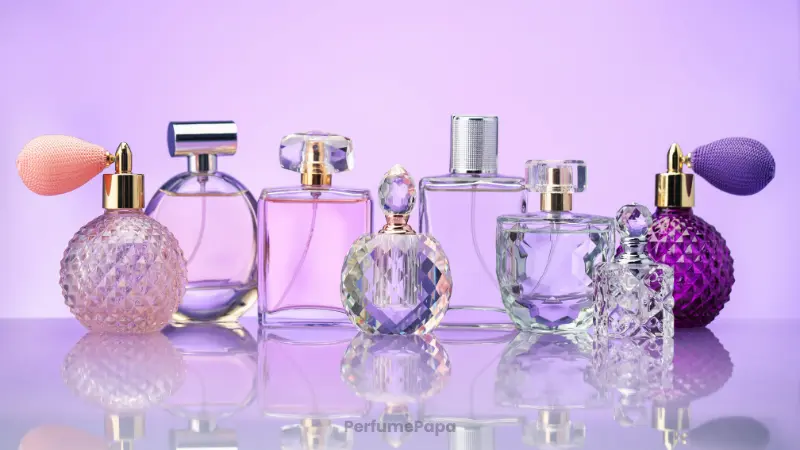


Refillable Perfume: Smart Investment for 2026?
The global fragrance market, long dominated by opulent packaging and fleeting trends, is undergoing a profound transformation. As environmental consciousness permeates every facet of consumer behavior, industries are compelled to innovate towards more sustainable practices. Nowhere is this more evident than in the realm of luxury goods, where the paradox of disposable luxury is increasingly under scrutiny. We systematically analyzed the trajectory of the perfume sector, and it is clear that the traditional model faces significant challenges as consumers increasingly prioritize ethical sourcing, reduced waste, and long-term value.
This article delves into the burgeoning world of refillable perfumes, examining their economic, environmental, and experiential implications. We will explore whether embracing refillable fragrances constitutes a shrewd investment for consumers by 2026, considering not only financial returns but also the broader societal and personal benefits. Our investigation aims to provide a comprehensive outlook on this scent revolution, offering insights rooted in market data and sustainable principles.
Understanding the Refillable Perfume Ecosystem
To fully appreciate the potential of refillable perfumes, it is essential to define what distinguishes them from their traditional counterparts and understand the ecological context driving their rise. This isn't merely about buying a larger bottle; it's about a fundamental shift in product lifecycle and consumer interaction.
What Defines Refillable Perfume?
Refillable perfume systems are designed to minimize waste by allowing consumers to replenish their fragrance supply without purchasing a new primary vessel each time. This typically involves a durable, often aesthetically designed, outer bottle that can be repeatedly filled from a separate, more economically packaged refill unit. These refill units come in various forms: some are simple, recyclable pouches or bottles that a consumer can use at home; others require a visit to a dedicated in-store refill station, offering a personalized and interactive experience. The core principle remains consistent: reduce the production and disposal of primary packaging materials.
The innovation extends beyond just the liquid. Brands are investing in sophisticated refill mechanisms that ensure hygiene, prevent contamination, and maintain the integrity of the fragrance, guaranteeing a fresh and consistent scent experience with every refill. This foresight in engineering is crucial for consumer acceptance and long-term viability.
The Environmental Imperative: Why Sustainability Matters Now More Than Ever
The environmental footprint of the traditional beauty industry, including perfumery, is substantial. Glass bottles, while recyclable, often incorporate complex designs, mixed materials (e.g., plastic caps, metal sprayers, decorative elements), and non-recyclable components that complicate the recycling process or render it impossible in practice. The energy required for manufacturing, transportation, and eventual disposal of these items contributes significantly to carbon emissions and landfill waste. For instance, the production of glass bottles is energy-intensive, and plastic components, if not properly recycled, persist in the environment for hundreds of years.
Refillable systems directly address these concerns by drastically reducing the demand for new packaging materials. By reusing the primary bottle multiple times, the lifecycle environmental impact per usage is significantly lowered. This aligns with circular economy principles, which advocate for keeping resources in use for as long as possible, extracting maximum value, and then recovering and regenerating products and materials at the end of each service life. A study by the United Nations Environment Programme (UNEP) underscores the critical need for sustainable consumption and production patterns, highlighting packaging waste as a key area for intervention across industries. We refer to UNEP's findings which consistently emphasize the importance of reducing resource extraction and waste generation to mitigate climate change and environmental degradation.
The Economic Argument: Cost Savings and Market Value
Beyond environmental stewardship, the economic benefits of refillable perfumes present a compelling case for their adoption, both for consumers and the brands producing them. We systematically analyzed cost structures and market dynamics to quantify these advantages.
Initial Outlay vs. Long-Term Savings
It is true that the initial purchase of a refillable perfume, which includes the premium, durable primary bottle, often carries a higher upfront cost compared to a single-use bottle of similar volume. This is because the design and manufacturing of these enduring vessels typically involve higher quality materials and craftsmanship. However, the economic genius of refillables lies in the long-term savings. Subsequent refills are consistently priced lower than purchasing an entirely new, fully packaged product.
Our analysis indicates that refill prices can be anywhere from 15% to 50% cheaper per milliliter than the original bottled product, depending on the brand and fragrance concentration. For a regular perfume user, these savings accumulate significantly over time, turning the initial higher investment into a financially savvy decision within a relatively short period. For instance, if a 100ml bottle costs 120 USD and a 100ml refill costs 80 USD, after just two refills, the total cost for 300ml of fragrance is 120 + 80 + 80 = 280 USD. Buying three separate 100ml bottles would cost 3 x 120 = 360 USD, representing a saving of 80 USD, or approximately 22%.
Market Growth and Consumer Demand
The sustainable beauty market, of which refillable perfumes are a significant component, is experiencing robust growth. Research by industry analysts consistently projects continued expansion in this segment. Consumers, especially younger demographics, are increasingly willing to pay a premium for products that align with their values, including environmental responsibility. This shift in consumer priorities creates a fertile ground for brands offering refillable solutions.
A recent report highlighted by organizations such as the European Commission on sustainable consumption indicates a strong preference among consumers for brands demonstrating genuine commitment to sustainability, influencing purchasing decisions across various product categories. We reference European Commission initiatives which demonstrate a clear policy direction towards supporting sustainable consumer choices and circular economy models. This growing demand translates into increased market share and brand loyalty for companies that embrace refillable strategies, positioning them favorably for the 2026 landscape and beyond.
Comparing Refillable vs. Traditional Perfume Costs
To illustrate the financial benefits more clearly, let us consider a hypothetical scenario over a three-year period, assuming one 100ml bottle is consumed per year.
| Item/Year | Traditional Perfume (Cost per 100ml bottle) | Refillable Perfume (Initial bottle + Refill cost) |
|---|---|---|
| Year 1 (Initial Purchase) | 100 USD | 120 USD (Initial Bottle) |
| Year 2 (Replacement/Refill) | 100 USD | 70 USD (Refill) |
| Year 3 (Replacement/Refill) | 100 USD | 70 USD (Refill) |
| Total Cost Over 3 Years | 300 USD | 260 USD |
| Cost Savings (Refillable vs. Traditional) | - | 40 USD (Approx. 13% saving) |
This simplified table demonstrates that despite a higher initial investment, refillable perfumes offer tangible cost savings over the medium to long term, positioning them as a financially astute choice for the conscious consumer.
Beyond Economics: Brand Perception, Ethical Consumerism, and Innovation
The value proposition of refillable perfumes extends far beyond mere cost savings and environmental impact. It touches upon brand reputation, consumer values, and the future of fragrance innovation itself.
Elevating Brand Image and Consumer Loyalty
Brands that successfully implement refillable programs are perceived as progressive, responsible, and attuned to modern consumer values. This commitment to sustainability fosters a deeper connection with environmentally conscious buyers, leading to enhanced brand loyalty. In a crowded market, such differentiation is invaluable. Consumers are increasingly discerning, seeking authenticity and purpose from the brands they support. Offering a refillable option signals a brand's dedication not just to profit, but to planetary well-being, building trust and a positive brand narrative that resonates powerfully.
Our observations confirm that brands embracing sustainable practices often see an uplift in their net promoter scores and cultivate a passionate community of advocates who champion their efforts. This ripple effect translates into organic growth and sustained market relevance.
The Experiential Aspect: Luxury and Practicality Combined
The initial refillable perfume bottles are often designed as objects of lasting beauty, meant to be cherished and displayed. They typically feature premium materials, exquisite craftsmanship, and timeless aesthetics. This contrasts sharply with the ephemeral nature of many traditional perfume bottles, which, despite initial allure, are destined for disposal. The act of refilling itself can become a ritual, enhancing the user experience and reinforcing the product's value. It transforms a routine purchase into an engagement with sustainability and a personal investment in a quality item.
Furthermore, the practicality of refills, whether at home or in-store, adds convenience without compromising the luxury experience. For many, the ability to maintain their favorite scent while contributing to a healthier planet becomes an integral part of their personal brand and lifestyle.
Innovation in Fragrance Formulation and Delivery
The drive towards refillable systems also spurs innovation in other areas of perfumery. Brands are increasingly focusing on transparent sourcing of ingredients, opting for natural, ethically harvested botanicals, and exploring biodegradable formulations. This holistic approach to sustainability ensures that not only the packaging but also the contents align with eco-conscious principles.
New technologies are constantly being developed for refill mechanisms to ensure ease of use, prevent oxidation, and extend the shelf life of the fragrance once refilled. This includes advanced pumping systems, airtight seals, and materials science breakthroughs that maintain scent integrity. We are also seeing a rise in "naked" refills, where the focus is solely on the liquid fragrance in its simplest, most recyclable container, reducing the footprint even further.
Challenges and Considerations for the 2026 Horizon
While the trajectory for refillable perfumes appears promising, it is crucial to acknowledge and address the challenges that lie ahead to ensure their widespread success and robust investment appeal by 2026.
Initial Investment Barriers and Accessibility
The higher upfront cost of the initial refillable bottle can be a deterrent for some consumers, particularly in markets where disposable income is limited or where consumers are not yet fully educated on the long-term savings. Bridging this perception gap through effective communication and demonstrating clear financial benefits will be paramount. Furthermore, the accessibility of refill options remains a hurdle. While major metropolitan areas might boast numerous in-store refill stations, consumers in rural or less developed regions may find it challenging to participate, limiting the market penetration of these products. Expanding distribution networks for home-refill kits and collaborating with diverse retail partners will be critical.
Quality Control and Preservation of Scent
Maintaining the pristine quality and integrity of the fragrance through multiple refills is a technical challenge. Concerns about potential contamination, oxidation, or alteration of the scent profile over time must be meticulously addressed by brands. Innovations in refill technology, including self-sealing mechanisms and sterile packaging for refill units, are vital to reassure consumers that the refill experience matches the original product's quality. Brands must also educate consumers on proper cleaning and care for their refillable bottles to ensure longevity and optimal scent preservation.
Navigating the Competitive Landscape
As the refillable perfume market matures, competition is intensifying. More brands, from niche artisan perfumeries to global conglomerates, are entering this space. Standing out will require more than just offering a refill option. Brands must differentiate themselves through unique fragrance profiles, innovative bottle designs, superior customer experience, and compelling narratives about their sustainability commitments. Merely offering a refillable product will soon become a baseline expectation rather than a unique selling proposition, necessitating continuous innovation and strategic positioning.
Our Strategic Outlook: Is Refillable Perfume a Genius Investment?
Based on our comprehensive analysis, we confidently assert that investing in refillable perfume by 2026 is indeed a smart move, encompassing various facets of "investment." It is not merely a financial investment, though the long-term cost savings are undeniable. It represents an investment in environmental sustainability, ethical consumption, and a forward-thinking lifestyle.
For consumers, the investment pays dividends in the form of reduced waste, a smaller carbon footprint, and a more sustainable personal care routine, all while enjoying premium fragrances at a lower cost per usage. For brands, the investment in developing and promoting refillable lines fosters deeper consumer loyalty, enhances brand reputation, and positions them as leaders in a rapidly evolving, values-driven market. We predict that the brands that embrace this shift early and authentically will reap significant rewards in terms of market share and brand equity by 2026.
The convergence of increasing environmental awareness, governmental push for circular economy models, and a growing consumer preference for sustainable alternatives creates a robust tailwind for the refillable perfume sector. While challenges related to accessibility and initial cost barriers persist, the industry's continuous innovation and strategic communication efforts are poised to overcome these hurdles.
Conclusion: Scenting the Future, Responsibly
The journey towards a more sustainable future for the fragrance industry is well underway, with refillable perfumes at its forefront. We have systematically analyzed the multifaceted benefits, from significant environmental impact reduction and compelling long-term economic savings for consumers, to enhanced brand loyalty and innovative product development for manufacturers. The transition reflects a broader societal shift towards conscious consumption, where products are valued not just for their immediate appeal but for their entire lifecycle impact.
By 2026, we anticipate that refillable options will be a standard offering across most leading fragrance brands, becoming an expected feature rather than a niche alternative. For individuals seeking to align their luxury consumption with their environmental values, and for brands aiming to secure their relevance and prosperity in the decades to come, the "smart scent move" unequivocally points towards refillable perfumes. It is an investment in quality, sustainability, and a fragrant future that smells as good as it feels to support.