

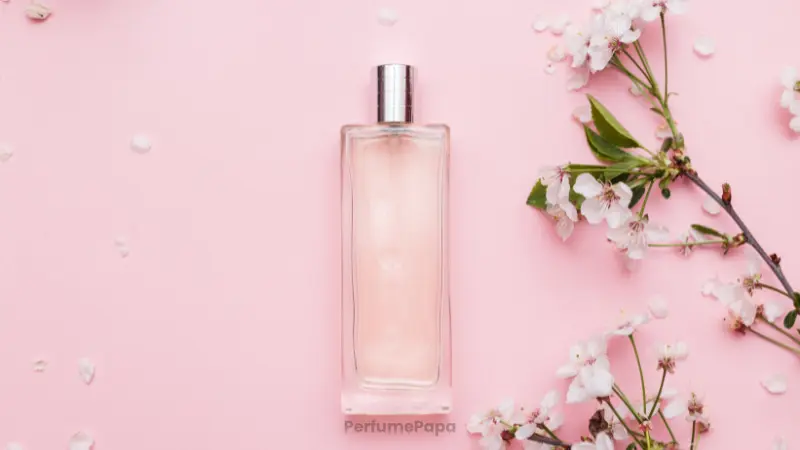
Welcome, discerning fragrance enthusiast, to PerfumePapa.online, your definitive guide in the intricate world of luxury perfumery. As seasoned experts with over a decade of experience, we have systematically analyzed the dynamic landscape of high-end fragrances, understanding that purchasing a luxury perfume is far more than a simple transaction—it's an investment in artistry, personal expression, and sensory delight. However, navigating this opulent market can often feel overwhelming, with escalating prices and a plethora of choices making informed decisions challenging. Our mission is to empower you to make intelligent, value-driven choices, ensuring you never overpay for your olfactory desires.
In 2026, the luxury perfume market continues its trajectory of innovation and global expansion, yet it also presents new complexities. Consumers are increasingly valuing emotional connection and self-expression over mere status, with significant growth projected through 2030, particularly in markets like the United States and China. However, as economic headwinds persist and consumer tastes evolve, understanding the true value behind a luxury fragrance becomes paramount.
To help you cut through the marketing jargon and make truly informed decisions, we have distilled our expertise into five critical questions you must ask before investing in a luxury perfume. These questions, grounded in our extensive industry knowledge, will serve as your compass, guiding you toward purchases that resonate with genuine quality, ethical integrity, and lasting satisfaction.
The Evolving Landscape of Luxury Fragrance in 2026
The luxury fragrance industry, a segment of the broader luxury market, is a fascinating ecosystem driven by innovation, heritage, and consumer aspirations. We have observed that while traditional markers like craftsmanship and heritage remain important, there's a growing emphasis on personalized experiences and brands that reflect individual identity and values. The global luxury market is expected to reach USD 700 billion by the end of the decade, with an annual growth rate of 4 to 6 percent. This growth is fueled by shifting consumer behaviors, including a preference for experiences over products and a renewed interest in discovery through diverse channels, including AI platforms and resale marketplaces.
Furthermore, sustainability has moved from a niche concern to a central pillar within the luxury perfume industry. Consumers are increasingly scrutinizing brands' environmental and ethical practices, pushing companies to adopt more sustainable sourcing, eco-friendly packaging, and innovative green chemistry solutions. This shift means that understanding a perfume's backstory—its ingredients, its production, and its impact—is more crucial than ever.
Question 1: Beyond the Brand Name – What Are the True Ingredients and Their Provenance?
When you invest in a luxury perfume, you're buying a blend of art and science. The quality, safety, and ethical sourcing of its ingredients are fundamental to its true value. We meticulously research the composition of fragrances, and we consistently find that transparency in ingredient listing is a hallmark of truly reputable brands.
Natural vs. Synthetic: A Balanced Perspective
The debate between natural and synthetic ingredients is often oversimplified. While natural extracts, such as essential oils and absolutes, evoke a sense of authenticity and can offer complex nuances, they are not inherently superior or more sustainable. Many natural ingredients are difficult to source sustainably, and their quality can vary significantly due to environmental factors. Conversely, synthetic molecules, often developed through green chemistry, offer consistency, expand the perfumer's palette, and can be more environmentally friendly by reducing reliance on finite natural resources. Biotechnological methods are also creating sustainable alternatives to rare or difficult-to-source natural elements.
The key lies in the skillful blend and responsible creation. We look for brands that disclose their ingredient philosophy, whether they prioritize rare naturals, innovative synthetics, or a harmonious combination of both.
The Importance of Ethical Sourcing and Sustainability
The provenance of ingredients extends beyond just their origin; it encompasses the ethical and sustainable practices employed in their cultivation and extraction. We encourage inquiring about a brand's commitment to fair labor practices, biodiversity protection, and sustainable harvesting. A truly luxurious perfume should not come at the expense of people or the planet. Reputable industry bodies, such as the International Fragrance Association (IFRA), establish safety guidelines for fragrance ingredients based on extensive scientific research.
These IFRA Standards ensure that both natural and synthetic fragrance materials are safe for use in consumer products, with specific usage limits based on product categories to minimize risks like skin sensitization or allergic reactions. As part of our commitment to informed consumerism, we emphasize that compliance with such international standards is a non-negotiable aspect of product integrity and consumer safety.
Question 2: Deciphering Concentration and Longevity – Is "Parfum" Always Best?
The terminology surrounding perfume concentration can be confusing, yet it directly impacts a fragrance's longevity, sillage (the trail it leaves), and overall cost. Understanding these distinctions is vital for making an informed purchase.
Understanding Fragrance Concentrations
We've compiled a brief overview of common fragrance concentrations:
| Concentration Type | Fragrance Oil Concentration | Typical Longevity | Description |
|---|---|---|---|
| Eau Fraîche | 1-3% | 1-2 hours | Lightest concentration, often alcohol-free, perfect for a refreshing burst. |
| Eau de Cologne (EDC) | 2-4% | 2-3 hours | Traditional light blend, historically citrus-heavy. |
| Eau de Toilette (EDT) | 5-15% | 3-5 hours | One of the most common concentrations, good for daily wear. |
| Eau de Parfum (EDP) | 15-20% | 5-8 hours | Higher concentration, offering more depth and longevity. |
| Parfum / Extrait de Parfum | 20-40% | 6-10+ hours | Highest concentration of fragrance oils, often the most expensive, with excellent longevity and sillage. |
While Parfum or Extrait de Parfum generally offers the longest wear, it's not always "best." The ideal concentration depends on your personal preference, the occasion, and your skin chemistry.
Skin Chemistry and Performance
We consistently remind our audience that perfume interacts uniquely with individual skin chemistry. Factors like skin pH, oiliness, hydration, and even diet can significantly alter how a fragrance smells and performs. A perfume that lasts all day on one person might fade quickly on another. Therefore, testing a fragrance on your skin before purchasing is crucial. Allow it to develop over several hours to gauge its true longevity and how it evolves with your unique scent profile.
Question 3: The Price Tag vs. Intrinsic Value – Are We Paying for Juice or Marketing?
Luxury perfumes often come with a substantial price tag. Our extensive analysis of the industry reveals that this cost is influenced by a multitude of factors, not all directly related to the fragrance itself. Understanding this can help you discern genuine value from inflated marketing.
Niche vs. Mainstream: A Value Proposition Analysis
The market broadly splits into mainstream designer brands and niche houses. Mainstream brands, backed by large corporations, often allocate significant budgets to marketing, celebrity endorsements, and widespread distribution. This can mean a portion of the price reflects these overheads rather than solely the rarity of ingredients or complexity of composition. Niche brands, on the other hand, typically focus on artistic expression, unique formulations, and premium raw materials, often with less emphasis on mass marketing. While their price point can be high due to limited production and exotic ingredients, the value often lies in their distinctiveness and craftsmanship.
Interestingly, some consumers are now gravitating towards challenger and independent brands, particularly in the US market, seeking fragrances that better reflect their identity.
The Psychology of Luxury Pricing
We recognize that luxury goods, including perfumes, tap into consumer psychology, associating high prices with exclusivity, status, and superior quality. While there's often a correlation, it's not always a direct causation. Research suggests that for many luxury consumers, an emotional connection to a brand and the ability to express identity are now more significant drivers than traditional markers of wealth or status.
Therefore, when evaluating a luxury perfume, we encourage you to look beyond the brand's reputation and assess the scent itself: Does it evoke the emotions you desire? Does it offer a unique olfactory experience? Is the performance (longevity, sillage) commensurate with its cost? Consider the overall craftsmanship, the quality of the bottle, and the storytelling, but always weigh it against the actual scent experience.
Question 4: Optimizing Your Investment – How Do Storage and Application Impact Your Scent Experience?
A luxury perfume is a delicate chemical composition, and its integrity can be compromised by improper handling. We have observed countless instances where the longevity and quality of a fragrance are significantly diminished due to neglect in storage and application. Protecting your investment ensures its intended scent profile endures.
The Art of Proper Perfume Storage
Heat, light, and humidity are the three primary enemies of perfume. We advise storing your fragrances in a cool, dark place, away from direct sunlight and temperature fluctuations. The bathroom, while convenient, is often the worst place due to steam and varying temperatures. A dresser drawer, a dedicated perfume cabinet, or even a wine cooler can provide optimal conditions. Always keep the perfume in its original box to further protect it from light exposure.
Strategic Application for Enhanced Longevity and Sillage
Applying perfume correctly can dramatically enhance its performance. We recommend spraying fragrance on pulse points—wrists, neck, behind the ears, and inner elbows—where the body's warmth helps to diffuse the scent. Do not rub your wrists together after spraying, as this can break down the fragrance molecules and alter the scent. For longer wear, consider moisturizing your skin before application, as perfume clings better to hydrated skin. For an all-day effect, a light mist on clothing (avoiding delicate fabrics that might stain) can also help, as fabric holds scent longer than skin.
Question 5: Navigating Authenticity and Expertise – Where to Find Trustworthy Information and Products?
The rise of online marketplaces has unfortunately also led to a surge in counterfeit luxury goods, including perfumes. Counterfeit fragrances are not only a waste of money but can also pose serious health risks due to unregulated and potentially hazardous ingredients. We emphasize the critical importance of purchasing from reputable sources and discerning reliable information.
Identifying Authentic Retailers and Avoiding Counterfeits
We strongly advocate purchasing luxury perfumes only from authorized retailers. This includes official brand boutiques, reputable department stores, and the brand's official website. Exercise extreme caution with online discounters, auction sites, or unofficial third-party sellers, as these are common channels for counterfeit products. US Customs and Border Protection consistently seizes large quantities of fake perfumes, highlighting the pervasive nature of this problem. Government studies have found that counterfeit cosmetics and fragrances can contain toxic chemicals, such as arsenic, beryllium, cadmium, and even urine, which can lead to adverse health reactions.
Signs of a counterfeit product often include:
- Suspiciously low prices.
- Poor quality packaging, misspellings, or inconsistent branding.
- Unusual scent, color, or consistency compared to the authentic product.
- Lack of clear ingredient lists or manufacturing information.
Leveraging Expert Reviews and Community Insights
To deepen your understanding and find scents that truly align with your preferences, we recommend consulting a variety of expert sources. Established fragrance critics, reputable perfume blogs (like PerfumePapa.online!), and knowledgeable online communities offer invaluable insights, reviews, and discussions. These platforms often provide detailed breakdowns of scent notes, performance observations, and comparisons, helping you make a more informed decision. However, always cross-reference information and consider multiple perspectives to form a comprehensive view.
Conclusion: Empowering Your Luxury Fragrance Journey
At PerfumePapa.online, we believe that the journey of discovering and owning a luxury perfume should be an enriching and informed one. The luxury fragrance market of 2026, while exciting and innovative, demands a discerning eye and a knowledgeable approach. By asking these five critical questions—about ingredients and provenance, concentration and longevity, true value beyond marketing, optimal storage and application, and authentic sourcing—you empower yourself to navigate this sophisticated world with confidence.
We are committed to providing you with the expertise and trustworthy insights necessary to transform you from a mere consumer into a connoisseur. Stop overpaying for luxury perfumes and start investing wisely in fragrances that truly speak to you, offering both unparalleled quality and enduring satisfaction. Embrace the art of informed fragrance acquisition, and let your scent journey be as exquisite as the perfumes you choose.
Suggested Articles
 General
Fragrance Trends 2026: Scenting Our Evolving Values
Explore the future of fragrance in 2026, from sustainable and personalized scents to wellness-focused blends and digi...
Read Article arrow_forward General
From Waste to Wonder: 7 Upcycled Perfumes for Sustainable Luxury
Discover 7 innovative perfumes made with upcycled ingredients, transforming waste into sustainable luxury. Explore th...
Read Article arrow_forward General
Elevate Your Scent Game: Essential 2026 Fragrance Trends
Discover the essential 2026 fragrance trends, from sustainable scents to personalized aroma profiles, and learn how t...
Read Article arrow_forward General
Best Armani Cologne: Unveiling Your Signature Scent
Discover the ultimate guide to the best Armani colognes, from timeless classics to modern masterpieces. Find your per...
Read Article arrow_forward