

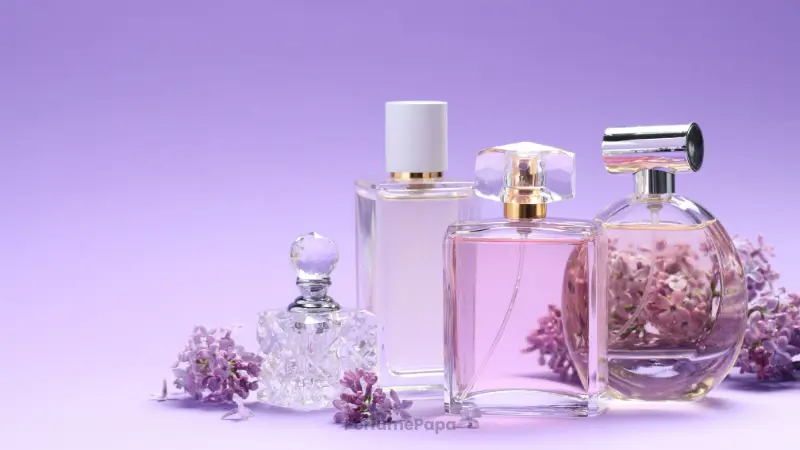
Decoding the Olfactory Horizon: The 2026 Scent Map
The world of fragrance is an ever-evolving tapestry, intricately woven with threads of cultural shifts, technological advancements, and a growing global consciousness. As we navigate towards the mid-point of the decade, the ‘2026 Scent Map’ emerges as a crucial guide, illustrating the profound transformations set to define the future of perfumery. This isn't merely about new notes or accords; it's about a holistic paradigm shift in how scents are conceived, created, consumed, and experienced. From the laboratories of avant-garde perfumers to the digital realms of the metaverse, the next few years promise an exhilarating journey into an olfactory future that is more personalized, purposeful, and profoundly connected to our well-being and values.
Our role as expert strategists is to dissect these burgeoning trends, providing an authoritative and knowledgeable perspective that equips enthusiasts and industry professionals alike with foresight. We aim to illuminate the pathways of innovation, consumer demand, and ethical imperatives that collectively forge this new scent landscape. Prepare to embark on an in-depth exploration of the forces shaping tomorrow’s most coveted fragrances, understanding not just what will be popular, but why.
The Ascendancy of Sustainable & Ethical Perfumery
Sustainability is no longer a niche concern; it's a fundamental pillar upon which the future of luxury and consumer goods, including fragrance, is being built. By 2026, the demand for sustainable and ethically sourced ingredients will have moved from a desirable attribute to an absolute expectation. Consumers are increasingly scrutinizing supply chains, demanding transparency regarding the origin of raw materials, the ecological footprint of production, and the fair treatment of laborers.
- Traceability and Transparency: Brands are investing heavily in technologies that allow for end-to-end traceability, enabling consumers to understand the journey of every ingredient from farm to bottle. Blockchain technology, for instance, is finding its footing in verifying ethical sourcing.
- Upcycling and Circularity: The concept of upcycling waste materials from other industries (e.g., fruit peels from juice production, wood chips from carpentry) into novel fragrance ingredients is gaining significant traction. This circular economy approach minimizes waste and creates unique aromatic profiles previously unimagined.
- Biotechnology and Green Chemistry: Advances in biotechnology allow for the lab-grown production of rare or endangered natural ingredients, offering a sustainable alternative to traditional harvesting. Green chemistry principles are guiding the creation of synthetic molecules that are biodegradable, non-toxic, and environmentally benign, challenging the outdated notion that 'natural' is always superior.
- Eco-Conscious Packaging: Refillable bottles, compostable materials, mushroom-based packaging, and minimalist designs that reduce material usage are becoming standard. The focus shifts from single-use luxury to enduring, reusable elegance.
This commitment to environmental and social responsibility isn't just about compliance; it's a powerful narrative that resonates deeply with a conscious consumer base, fostering trust and loyalty in a competitive market.
Personalized & Bespoke Scent Experiences: The AI Revolution
The era of mass-market fragrances is gradually giving way to an unprecedented demand for personalization. Consumers crave uniqueness, a scent that not only reflects their individual identity but also evolves with their moods and lifestyle. By 2026, personalized perfumery will be powered by a sophisticated blend of artificial intelligence, data analytics, and direct-to-consumer innovations.
- AI-Driven Scent Profiling: Advanced algorithms will analyze vast datasets, including personal preferences, demographic information, lifestyle habits, and even biometric data (via wearables), to recommend or even formulate bespoke scent profiles. Imagine an AI assistant suggesting a fragrance blend tailored to your activity level, local climate, and even your current emotional state.
- Modular Fragrances: Brands are introducing systems where consumers can combine different scent modules or 'boosters' to create their own unique compositions, allowing for dynamic layering and adjustment throughout the day or across seasons. This puts the power of creation directly into the user's hands.
- At-Home Blending Kits: Sophisticated, yet user-friendly, at-home kits are making bespoke perfumery accessible. These kits often come with guidance from digital platforms, allowing individuals to experiment and formulate their signature scent with professional-grade ingredients.
- Digital Consultations & Virtual Try-Ons: Online platforms will offer virtual consultations with perfumers, using AI to bridge the gap between digital interaction and sensory experience. Augmented reality (AR) apps may even simulate how a scent might 'feel' or project onto one's aura, enhancing the pre-purchase experience.
This shift represents a democratization of perfumery, transforming the consumer from a passive recipient to an active co-creator, fostering a deeper, more meaningful connection with their chosen aroma. For a deeper dive into the world of unique and personalized fragrances, you might want to explore the curated selection of premium fragrances available at PerfumePapa.online.
Wellness & Functional Fragrances: Beyond Mere Adornment
The intersection of scent and well-being is exploding, moving beyond traditional aromatherapy into a realm of functional fragrances designed to elicit specific psychological and physiological responses. As stress levels rise globally, consumers are seeking holistic solutions, and fragrance is emerging as a powerful, non-invasive tool for mood management and cognitive enhancement.
- Neuro-Perfumery: Scientific research is uncovering how specific aroma molecules interact with the brain's limbic system, influencing emotions, memory, and cognitive function. Fragrances are being designed to reduce anxiety, promote sleep, boost focus, or elevate mood. Ingredients like specific forms of lavender for relaxation or citrus notes for invigoration are being utilized with scientific precision.
- Adaptogenic Scents: Inspired by adaptogenic herbs, these fragrances aim to help the body and mind adapt to stress, promoting balance and resilience. They often combine ingredients known for their calming and invigorating properties to create a harmonious effect.
- Clean & Skin-Friendly Formulations: As part of the broader wellness trend, there's a heightened demand for 'clean' fragrances—formulas free from known irritants, allergens, and harsh chemicals. Brands are prioritizing biocompatibility, ensuring that fragrances are gentle on the skin and align with a holistic health regimen.
- Mindfulness & Ritualistic Application: Fragrances are increasingly being positioned as tools for daily rituals, encouraging mindfulness and intentionality. The act of applying a scent becomes a moment of self-care, a conscious choice to enhance one's mental and emotional state.
This evolution elevates fragrance from a luxury accessory to an integral component of a mindful, health-conscious lifestyle, offering tangible benefits beyond a pleasant smell.
The Fluidity of Scent: Gender-Neutrality and Inclusivity
The traditional dichotomies of 'masculine' and 'feminine' fragrances are rapidly dissolving. The 2026 Scent Map firmly points towards a future where scent is utterly fluid, free from restrictive gender classifications. This trend is driven by a younger, more inclusive generation that rejects rigid societal norms and embraces individuality.
- Beyond Floral and Woody: Fragrance houses are moving away from marketing scents explicitly for men or women, instead focusing on the complexity and beauty of the notes themselves. This leads to bolder, more adventurous compositions that blend traditionally 'feminine' florals with 'masculine' woods, leathers, or spices, creating truly unique and universally appealing aromas.
- Focus on Self-Expression: The narrative shifts from attracting others to expressing oneself. Consumers are encouraged to choose scents based on how they make them feel and how they wish to project their inner self, rather than conforming to external expectations.
- Minimalist & Abstract Concepts: Many gender-neutral fragrances embrace minimalist aesthetics and abstract concepts, allowing the scent to speak for itself without preconceived notions attached to traditional gendered imagery.
- Olfactory Freedom: This movement champions olfactory freedom, inviting everyone to explore the full spectrum of aromatic possibilities, celebrating personal taste above all else.
This inclusive approach to perfumery not only reflects contemporary social values but also opens up a much broader canvas for creative expression among perfumers, resulting in a richer, more diverse olfactory landscape.
The Expanding Realm of Niche & Artisanal Dominance
While large fragrance conglomerates will always have their place, the 2026 Scent Map highlights the continued, and even accelerated, growth of niche and artisanal perfumery. Consumers are increasingly seeking authenticity, unique narratives, and high-quality, distinctive compositions that stand apart from the mainstream.
- Storytelling Through Scent: Niche brands excel at weaving compelling narratives around their creations—inspired by travel, art, literature, personal memories, or avant-garde concepts. This storytelling adds depth and emotional resonance, transforming a fragrance into an experience.
- Exclusivity and Craftsmanship: These smaller houses often prioritize exceptional raw materials, intricate blending techniques, and limited production runs, appealing to those who value exclusivity and the artistry of perfumery. The focus is on the master perfumer's vision rather than mass appeal.
- Micro-Brands and Indie Perfumers: The rise of independent perfumers, often operating on a smaller scale, allows for greater experimentation and direct connection with consumers. They can respond quickly to emerging trends and offer highly specialized, sometimes experimental, scents.
- Experiential Retail: Niche perfumeries are renowned for creating immersive retail experiences, allowing customers to explore scents in a relaxed, curated environment, often with personalized guidance from knowledgeable staff.
This trend underscores a desire for differentiation and a deeper connection to the products we consume, moving beyond mere branding to embrace genuine craftsmanship and unique olfactive journeys.
The Digital Olfactory: Metaverse & Augmented Reality in Fragrance
As the digital and physical worlds continue to converge, the fragrance industry is exploring innovative ways to engage consumers within virtual spaces. While the sensation of smell remains inherently physical, brands are finding creative avenues to simulate or enhance the fragrance experience in the metaverse and through augmented reality (AR).
- NFT Fragrances and Digital Assets: Brands are experimenting with non-fungible tokens (NFTs) representing unique digital scents or linking to exclusive physical fragrance editions. These digital assets become status symbols and collectibles within virtual communities.
- Metaverse Boutiques: Virtual stores are being created in the metaverse, allowing avatars to explore digital representations of perfumes, learn about their notes, and even interact with virtual perfumers. While not smelling the actual scent, the immersive experience builds anticipation and brand loyalty.
- AR-Enhanced Product Discovery: Augmented reality apps allow consumers to virtually 'try on' fragrances by overlaying visual effects or information onto their real-world environment, enhancing product discovery and engagement before a physical purchase.
- Haptic and Olfactory Devices: Though still in early stages, research is ongoing into haptic devices that can simulate textures and even early-stage 'smell-o-vision' technologies that could emit micro-bursts of scent, bridging the digital-olfactory gap in the future.
These digital innovations are not intended to replace the physical experience of scent but to augment it, creating new touchpoints for discovery, community building, and brand engagement in an increasingly interconnected world.
Conclusion: A Future Rich in Scent and Story
The 2026 Scent Map paints a vibrant picture of a fragrance industry undergoing a profound metamorphosis. It's a future where innovation is guided by ethics, personalization is powered by intelligence, and well-being is intrinsically linked to aroma. The coming years will see an explosion of creativity, driven by a deeper understanding of scent's power and a commitment to creating products that are not only beautiful but also responsible, meaningful, and deeply personal.
From the molecular precision of biotechnologically derived ingredients to the expansive, inclusive narratives of gender-neutral compositions, the world of fragrance is poised for an exciting and transformative journey. As consumers, we stand at the precipice of an era where choosing a fragrance is an act of self-expression, a commitment to values, and an exploration of our deepest senses. The future smells extraordinary. To stay updated with the latest developments and insights in the perfume world, we encourage you to explore more insightful posts on the evolving world of perfumery.
Suggested Articles
 General
Why Pay More? 7 *Brilliant* Niche Perfume Alternatives That Fool Experts in 2026
Read Article arrow_forward
 General
Future Fragrance Trends 2026: Finding Your Signature Scent
Explore the evolving world of perfumery and future fragrance trends for 2026. Discover how to identify your unique si...
Read Article arrow_forward
General
5 Indie Fragrance Brands You Must Discover in 2026
Dive into the world of unique scents! Discover 5 underground indie fragrance brands making waves in 2026. Find your s...
Read Article arrow_forward General
Sensitive Skin? Finally! 7 Hypoallergenic Fragrances That WON'T Trigger You in 2026
Discover 7 expert-approved hypoallergenic fragrances specifically formulated for sensitive skin. Say goodbye to irrit...
Read Article arrow_forward