

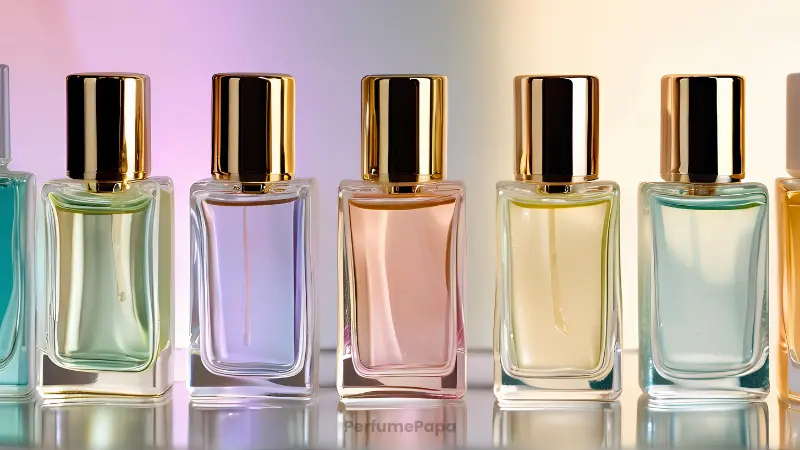
The Billion-Dollar Forecast: 5 Explosive Luxury Perfume Market Trends for 2026 (Invest Wisely!)
At PerfumePapa.online, we consistently explore the evolving landscape of olfactory artistry, and as seasoned experts in the luxury fragrance market, we systematically analyzed the currents shaping its future. The global luxury perfume market is not merely growing; it is undergoing a profound transformation driven by consumer desires for authenticity, individuality, and responsible luxury. Valued at approximately USD 27.0 billion in 2026, the market is projected to surge to an estimated USD 41.8 billion by 2033, exhibiting a compound annual growth rate (CAGR) of 6.4% from 2026 to 2033. This robust expansion signals fertile ground for innovation and strategic investment.
We delve into five explosive luxury perfume market trends set to define 2026 and beyond. These trends are not fleeting fads but fundamental shifts in consumer values and technological capabilities, presenting unparalleled opportunities for brands and enthusiasts alike.
Understanding the Current Olfactory Landscape
The luxury perfume market, characterized by premium ingredients, exclusive branding, and sophisticated packaging, targets consumers seeking personalized, high-quality olfactory experiences. While Europe has traditionally dominated this market, holding a substantial revenue share, regions like Asia Pacific are rapidly emerging as key growth drivers. The industry sees significant investment in digital marketing, celebrity endorsements, and limited editions to foster brand loyalty, alongside innovations in scent composition and eco-friendly solutions.
1. The Rise of Hyper-Personalization and Bespoke Blends
In an increasingly commoditized world, the yearning for uniqueness drives consumers towards products that reflect their individual identity. This is particularly true in luxury perfumery, where mass-market fragrances are giving way to hyper-personalized and bespoke creations. We are witnessing a monumental shift where consumers no longer want to simply wear a scent; they want to wear their scent. This trend goes beyond choosing from a curated collection; it involves active participation in the creation process itself. The desire for unique, personalized experiences extends to fragrance, allowing brands to connect with consumers on a more personal level than mass-market options.
The Allure of Olfactory Fingerprints
The concept of an "olfactory fingerprint" is gaining traction, where individuals seek a scent that is as unique as their own DNA. This involves blending individual notes to create a signature fragrance that cannot be replicated by mass production. Brands are responding by offering customizable layering options and "fragrance wardrobes" that encourage consumers to craft their own unique scent. This bespoke approach offers consumers the time, focus, and creativity often missing in fast-paced modern life.
AI and Data-Driven Scent Creation
Technology is a key enabler of hyper-personalization. Artificial intelligence (AI) and advanced data analytics are revolutionizing how fragrances are conceived and created. AI platforms can analyze vast amounts of data on scent preferences, ingredient combinations, and market trends to suggest novel formulas or predict consumer desires. Some fragrance houses are experimenting with AI-generated perfumes, even utilizing AI to analyze factors like a selfie or outfit to generate a personalized scent in seconds. This fusion of human artistry and technological precision creates an unprecedented level of customization.
2. Sustainability and Ethical Sourcing Take Center Stage
The luxury perfume industry is no longer immune to the global demand for environmental responsibility and ethical practices. Consumers, particularly younger generations, are increasingly scrutinizing the provenance of products and demanding transparency. This trend is transforming supply chains, packaging, and the very composition of luxury scents. Sustainability remains a key criterion in new fragrance launches, with claims like "natural," "vegan," and "from recycled materials" seeing significant growth.
From Farm to Fragrance: The Green Revolution
Ethical ingredient sourcing is paramount. This includes fair trade practices, supporting local communities, and utilizing regenerative agriculture to cultivate aromatic plants. The natural fragrance market is experiencing significant growth, driven by increasing consumer demand for sustainable and eco-friendly products. Many brands are increasing the natural content levels in their formulations, and approximately 55% of luxury segment fragrance launches now highlight organic essential oils. Biotechnology is also playing a crucial role, enabling the sustainable production of rare or threatened scent molecules through methods like fermentation and biosynthesis, reducing the strain on natural resources.
Refill, Reuse, Reimagine: The Circular Economy of Scent
Eco-friendly packaging and refillable options are becoming industry standards. The fragrance industry produces billions of packaging units annually, with a vast majority discarded after single use. In response, brands are introducing refillable programs to reduce waste, with approximately 30% of new launches in 2023-2024 featuring refillable packaging. Sustainable packaging is more than a trend; it's a rapidly growing segment, with brands embracing recycled glass, biodegradable caps, and carbon-neutral production methods. This reflects a broader movement towards a circular economy in luxury perfumery, where waste is minimized, and resources are continually re-utilized.
For more detailed insights into sustainable practices in the cosmetic industry, we recommend reviewing the FDA's information on cosmetic ingredients and safety, which highlights regulatory considerations for ethical ingredient sourcing and manufacturing.
3. The Blurring Lines: Gender-Neutral and Fluid Fragrances
Traditional gendered marketing in perfumery is rapidly becoming obsolete. The luxury market is experiencing a significant shift towards gender-neutral and fluid fragrances that prioritize individual preference and emotional connection over outdated stereotypes. This evolution reflects broader cultural movements towards inclusivity and self-expression.
Beyond Him and Her: A Scent for Every Soul
Consumers are moving away from rigid scent categories, embracing fragrances that reflect individuality, emotion, and lifestyle rather than traditional gender cues. This trend is driven by younger generations, particularly Millennials and Gen Z, who reject gendered labels in favor of scents that align with their mood, personality, and style. Gender-neutral fragrances represented 40% of all new releases in 2023-2024. This approach encourages individuals to build a "scent wardrobe" based on personal resonance, not societal expectations.
The Niche Market's Embrace of Androgyny
Niche and artisanal fragrance brands have been at the forefront of this movement, pioneering scents that defy conventional gender classifications. These brands often focus on unique, eclectic ingredient combinations and storytelling, appealing to a broad audience seeking individuality and exclusivity. The global market for unisex scents was valued at USD 19.75 billion in 2023 and is projected to climb to USD 33.42 billion by 2031, showcasing the explosive growth in this segment.
4. Tech-Infusion and Sensory Enhancement
The intersection of technology and fragrance is creating entirely new dimensions of olfactory experience. Beyond traditional application methods, innovation is leading to smart devices, immersive digital experiences, and novel ingredient delivery systems that are redefining how we interact with scent.
The Metaverse of Scent: Virtual Try-Ons and Experiences
As the digital and physical worlds converge, the fragrance industry is exploring new avenues for discovery and engagement. Augmented Reality (AR) and Virtual Reality (VR) are being utilized for immersive experiences, allowing consumers to "virtually" try on scents or explore fantastical scentscapes. Digital integration and experiential marketing are crucial, with brands using descriptive language, mood boards, and interactive experiences online to promote scent. This trend enhances accessibility and allows for a playful, experimental approach to fragrance selection, transforming the purchasing journey.
Smart Fragrances: Beyond the Bottle
Wearable technology is beginning to integrate scent, with smart diffusers and devices capable of releasing programmed fragrances throughout the day. These "smart fragrances" can adapt to mood, activity, or environment, offering a dynamic and personalized olfactory backdrop. This goes beyond static perfume application, moving towards a continuous, intelligent scent experience. Such innovations demonstrate how technology is pushing the boundaries of what fragrance can be, promising a future where scent is an integral, dynamic part of our connected lives. New retail experiences are also focusing on unmanned touchpoints and custom-designed delivery mechanisms to bridge the gap between physical sampling and digital convenience.
5. The Renaissance of "Clean Beauty" and Ingredient Transparency
A growing consumer consciousness around health and wellness is driving a demand for "clean beauty" in luxury perfumery. This trend emphasizes transparency in ingredient lists, the avoidance of potentially harmful chemicals, and a focus on natural, safe, and ethically produced components. Consumers are becoming increasingly conscious of the ingredients in their products.
Demystifying the Ingredient List
Unlike traditional perfumes that often hide ingredients under a generic "fragrance" label, clean beauty brands are committed to full disclosure. Consumers want to know what they are putting on their skin, leading to a demand for detailed ingredient lists and clear explanations of their provenance and purpose. This transparency builds trust and empowers consumers to make informed choices. Clean label fragrances are formulated without artificial additives, synthetic chemicals, and controversial ingredients like phthalates, parabens, and sulfates, instead focusing on natural, plant-based ingredients.
The Health-Conscious Olfactory Consumer
The health and wellness movement significantly influences fragrance choices. Consumers are actively seeking products free from perceived irritants and allergens, opting for formulations that are hypoallergenic, vegan, and cruelty-free. This includes a preference for natural ingredients like essential oils and plant-based extracts, which account for over 60% of total fragrance ingredients used globally. The market for clean fragrances is projected to reach USD 33.40 billion by 2035, growing at a CAGR of around 9.37% between 2025 and 2035, underscoring its rapid expansion.
For further understanding of cosmetic ingredient safety and regulation, particularly concerning substances to avoid, we refer to the Environmental Working Group's (EWG) resources on toxic beauty ingredients, which offers independent research and consumer guidance.
Investment Landscape in Luxury Perfumery: Trend Comparison
We've observed distinct characteristics and investment potential across these emerging trends. Understanding these nuances is key for strategic positioning within the luxury perfume market.
| Trend | Primary Drivers | Key Technologies/Innovations | Market Impact & Investment Potential |
|---|---|---|---|
| Hyper-Personalization & Bespoke Blends | Individual expression, desire for uniqueness, luxury experience. | AI-driven scent creation, 3D printing, advanced blending systems, virtual try-ons. | High growth in niche segments, premium pricing, strong customer loyalty. Significant R&D investment required. |
| Sustainability & Ethical Sourcing | Environmental consciousness, ethical consumerism, regulatory pressures. | Biotechnology (fermentation, biosynthesis), recycled/refillable packaging materials, transparent supply chain tech (blockchain). | Growing consumer preference, market differentiation, potential for long-term brand equity, compliance costs. Essential for market entry. |
| Gender-Neutral & Fluid Fragrances | Inclusivity, rejection of stereotypes, self-expression. | Innovative scent profiles (unconventional notes), targeted marketing, mood-based scent development. | Broadening consumer base (Gen Z, Millennials), strong growth in unisex market segment. Accessible market entry for new brands. |
| Tech-Infusion & Sensory Enhancement | Experiential consumption, digital engagement, convenience, innovation. | AR/VR for discovery, smart diffusers, wearable scent tech, immersive retail experiences. | High potential for disruptive innovation, new product categories, enhanced customer journey. High R&D and integration costs. |
| "Clean Beauty" & Ingredient Transparency | Health & wellness concerns, desire for safety, ingredient awareness. | Natural & organic certifications, non-toxic ingredient formulations, advanced dermatological testing, full ingredient disclosure via QR codes. | Rapidly expanding market segment, strong consumer trust, competitive advantage. Requires stringent quality control and formulation expertise. |
Navigating the Future of Fragrance
The luxury perfume market in 2026 is poised for an era of unprecedented dynamism and evolution. We see a clear trajectory towards a market that is more personalized, more responsible, and more technologically integrated than ever before. From the intimate allure of bespoke blends to the ethical imperative of sustainable sourcing and the inclusive embrace of gender-neutral scents, these trends are fundamentally reshaping consumer expectations and industry practices.
Successful brands will be those that not only embrace these shifts but actively innovate within them. By understanding the underlying drivers—the desire for unique self-expression, a commitment to planetary well-being, and a demand for transparency—stakeholders can navigate this complex yet exciting landscape. As PerfumePapa.online, we remain dedicated to providing the insights necessary for enthusiasts and investors to make informed decisions in this billion-dollar forecast. The future of fragrance is here, and it smells wonderfully innovative.
Suggested Articles
 General
 Fragrance trends
Mastering Future Fragrance Trends 2026: Essential Scents
Explore the cutting-edge of perfumery with this expert guide to 2026's essential fragrance trends, from sustainable s...
Read Article arrow_forward General
Beyond Labels: 7 Iconic Genderless Scents Dominating 2026
Explore the top 7 iconic genderless scents set to dominate 2026. Discover your perfect fragrance match that transcend...
Read Article arrow_forward
General
Best Maison Margiela Replica Dupes for 2026
Discover the top Maison Margiela Replica fragrance dupes for 2026, offering luxurious scents at up to 90% cheaper pri...
Read Article arrow_forward