

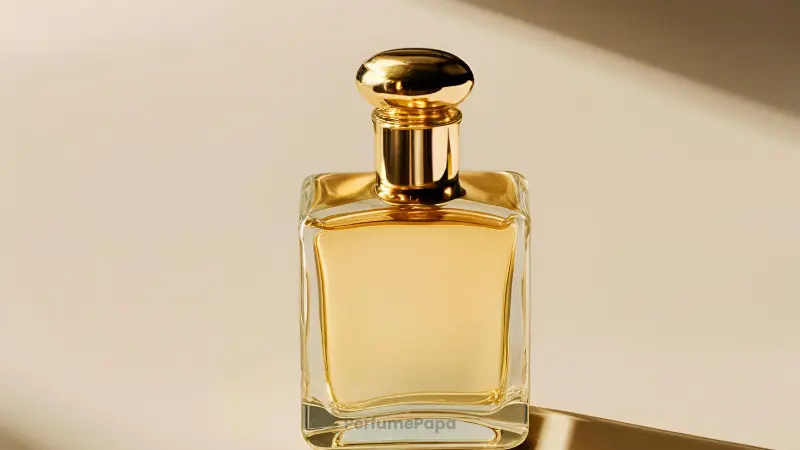
The Great Scent Reset: How Future Fragrance Trends 2026 Are Rewriting the Rules
The world of fragrance is on the cusp of a profound transformation, ushering in what experts are calling "The Great Scent Reset." As we peer into 2026, it's clear that the traditional rules of perfumery are being rewritten, driven by evolving consumer values, technological advancements, and a deeper understanding of scent's impact on our well-being and identity. This isn't merely an evolution; it's a paradigm shift towards a more conscious, personalized, and ethically grounded approach to olfactory artistry. Consumers are no longer satisfied with mass-market fragrances; they seek stories, authenticity, and a connection to the very essence of their chosen scent. This comprehensive exploration delves into the pivotal future fragrance trends 2026 that are redefining what it means to wear, create, and experience perfume.
The Evolving Olfactory Landscape: A Paradigm Shift in Scent
The journey of fragrance has always mirrored human civilization, from ancient rituals to modern luxury. However, the last few years have accelerated changes in unprecedented ways. The pandemic, with its focus on introspection and well-being, coupled with increasing awareness of environmental issues, has fundamentally altered consumer priorities. This has paved the way for a more discerning and values-driven fragrance consumer.
No longer are scents merely accessories; they are extensions of personal philosophy, tools for emotional regulation, and statements of ethical commitment. The shift is away from overt branding and towards intrinsic value, from fleeting trends to enduring impact. This macro-trend underpins all specific fragrance innovation we see emerging for 2026.
Sustainability and Ethical Sourcing: The Core of Future Fragrances
Perhaps the most significant force reshaping the industry is the relentless push towards sustainability. Consumers are increasingly demanding transparency, ethical practices, and environmental responsibility from brands. In 2026, this will move beyond a "nice-to-have" to a fundamental expectation for any reputable perfumery.
From Farm to Flacon: Traceability and Transparency
-
Conscious Ingredients: The spotlight is firmly on raw materials. Brands are investing heavily in traceable supply chains, ensuring ingredients are ethically harvested, support local communities, and do not contribute to deforestation or exploitation. Expect to see more natural, wild-harvested, and upcycled ingredients.
-
Biotechnology & Green Chemistry: Advancements in green chemistry allow for the creation of nature-identical molecules without depleting natural resources. Biotechnology offers sustainable alternatives to rare or environmentally sensitive ingredients, opening new avenues for novel scent profiles while minimizing ecological footprint.
-
Carbon Footprint Reduction: From cultivation to extraction and transportation, brands are scrutinizing every stage to reduce their carbon footprint. This includes using renewable energy in production and optimizing logistics.
Eco-Conscious Packaging and Refill Culture
-
Minimalist & Recyclable Design: Packaging will continue its shift towards minimalism, using recycled, recyclable, or biodegradable materials. Gone are excessive plastics and non-recyclable components.
-
The Rise of Refillables: Refillable bottles will become standard, with elegant, durable designs intended for lifelong use. Subscription models for refills will also gain traction, promoting a circular economy.
-
Waterless Formulations: Innovations in solid perfumes, fragrance mists, and oil-based alternatives are reducing reliance on water, offering more concentrated and longer-lasting scent experiences with less environmental impact.
Personalization and Hyper-Niche Exploration: Beyond Mainstream Scents
The desire for individuality and self-expression is driving a surge in personalized and hyper-niche fragrances. Consumers want scents that tell their unique story, rather than generic perfumes worn by many. This trend is moving beyond simply choosing from a range; it's about active co-creation.
Bespoke Blends and AI-Driven Scent Creation
-
AI & Data-Driven Personalization: Artificial intelligence is revolutionizing bespoke perfumery. AI algorithms can analyze individual preferences, skin chemistry, and even emotional responses to suggest or create unique scent profiles. This allows for hyper-customization at scale.
-
At-Home Scent Crafting Kits: Accessible kits that allow consumers to experiment with blending essential oils and fragrance accords will empower individuals to create their signature scent at home, guided by digital tools or virtual perfumers.
-
Phygital Experiences: Stores will offer interactive "scent bars" where customers can mix and match notes, with the final personalized formula bottled on the spot, creating a memorable, hands-on experience.
The Rise of Micro-Niche and Indie Perfumery
-
Artisanal Craftsmanship: Small, independent perfumers focusing on unique ingredients, limited editions, and compelling narratives will continue to thrive. These brands often resonate deeply with consumers seeking authenticity and exclusivity.
-
Thematic Collections: Fragrances built around highly specific concepts – a rare flower, a specific memory, a geographic location, or an abstract emotion – will gain popularity, offering depth and complexity that mass-market brands often miss.
-
Direct-to-Consumer Models: Indie brands leveraging online platforms for direct sales and community building will connect more intimately with their audience, fostering loyalty and advocacy.
Wellness and Functional Fragrances: Scent as Self-Care
The intersection of fragrance and well-being is becoming increasingly prominent. Beyond simply smelling good, future scents are designed to enhance mood, reduce stress, improve focus, and even aid sleep. This trend leverages the ancient science of aromachology with modern neuroscience.
Aromachology and Mood Enhancement
-
Targeted Mood States: Fragrances specifically formulated to evoke calm, energy, confidence, or concentration will become commonplace. Ingredients like lavender for relaxation, citrus for invigoration, and sandalwood for grounding will be expertly blended for functional benefits.
-
Sleep & De-Stress Scents: Products designed to aid relaxation routines, from pillow mists to bedtime roll-ons, will integrate into daily self-care rituals, tapping into the desire for restorative sleep and stress reduction.
-
Cognitive Boosters: Expect fragrances engineered with notes known to enhance focus and memory, ideal for work environments or study sessions.
Biotech and Neuro-Scent Technology
-
Neuro-Perfumery: Scientific research into how scent impacts the brain's limbic system is leading to "neuro-fragrances" that actively stimulate specific brain responses. This is a frontier of functional perfumery.
-
Adaptive Scents: Innovations could include fragrances that subtly change their profile based on body temperature, stress levels, or even ambient conditions, offering a truly dynamic olfactory experience.
Gender Fluidity and Boundary-Breaking Olfactory Narratives
The rigid categorization of "masculine" and "feminine" scents is rapidly dissolving. 2026 will see a continued celebration of gender fluidity in fragrance, embracing a spectrum of olfactive experiences that transcend traditional norms.
Beyond Traditional Categories: The Rise of Genderless Scents
-
Unisex as the Norm: "Unisex" will no longer be a niche category but a default, with brands designing scents that appeal to a broader audience without predetermined gender associations. Marketing will focus on notes, emotions, and personal connection rather than gendered stereotypes.
-
Challenging Olfactory Stereotypes: Expect to see more traditionally "masculine" notes like woods and leather paired with "feminine" florals or gourmands, creating complex, multi-layered scents that defy simple classification.
-
Individual Expression: The emphasis will be on individual expression and what a scent means to the wearer, rather than conforming to societal expectations of gender.
Olfactory Storytelling and Experiential Fragrances
-
Narrative-Driven Perfumes: Fragrances will increasingly be crafted to tell intricate stories, evoking specific places, historical moments, or abstract concepts, inviting wearers to immerse themselves in a rich sensory narrative.
-
Multi-Sensory Experiences: Brands will create multi-sensory experiences around their fragrances, combining scent with visual art, soundscapes, or even tactile elements to deepen the emotional connection.
Digital Integration and Experiential Marketing: Smelling the Future Online
While fragrance is inherently physical, the digital realm is playing an increasingly crucial role in discovery, education, and marketing. Bridging the gap between the online and offline experience is a key challenge and opportunity for 2026.
Virtual Scent Experiences and Augmented Reality
-
AR & VR for Scent Discovery: Augmented reality (AR) apps will allow consumers to "virtually" explore scent notes, visualize how ingredients are sourced, or even simulate the experience of wearing a fragrance. Virtual reality (VR) could offer immersive journeys into the world a scent aims to evoke.
-
AI-Powered Consultations: Online platforms will utilize AI to provide personalized fragrance recommendations based on quizzes, lifestyle preferences, and even analysis of social media data, offering a tailored shopping experience.
-
Scent Communication Devices: While still nascent, the development of devices that can emit controlled scent bursts through digital means could revolutionize online fragrance sampling and advertising.
Community-Driven Discovery and Influencer Culture
-
Fragrance "Decanting" and Swapping: Online communities dedicated to sharing and reviewing fragrances, allowing members to try small samples before committing to full bottles, will continue to grow, fostering democratic discovery.
-
Micro-Influencers & Authentic Reviews: The power of authentic reviews and recommendations from niche fragrance influencers will outweigh traditional advertising. Consumers trust real experiences over glossy campaigns.
-
Live Stream Shopping: Interactive live streams featuring perfumers, brand founders, and scent enthusiasts will offer real-time engagement, Q&A sessions, and exclusive product launches, creating a dynamic shopping environment.
Conclusion: Embracing the Olfactory Horizon of 2026
The "Great Scent Reset" of 2026 is more than a fleeting trend; it represents a fundamental shift in how we perceive and interact with fragrance. It is a movement towards greater authenticity, responsibility, and personal resonance. From the ethical sourcing of ingredients to the hyper-personalization of scent profiles, the future of perfumery promises a richer, more meaningful, and deeply connected experience for every individual. Brands that prioritize transparency, sustainability, innovation, and an understanding of the evolving consumer psyche will be the ones that truly thrive in this exciting new olfactory landscape. As we look ahead, the world of fragrance is not just about smelling good; it's about feeling good, doing good, and telling a unique story with every spritz.
Suggested Articles
 General
Best Perfumes for Women in 2026: Editor's Top 20 Picks
Discover the definitive list of the best perfumes for women in 2026, meticulously curated by our experts for unparall...
Read Article arrow_forward Fragrance trends
Mastering Future Fragrance Trends 2026: Essential Scents
Explore the cutting-edge of perfumery with this expert guide to 2026's essential fragrance trends, from sustainable s...
Read Article arrow_forward
General
Unleash *Your* Authentic Scent: The 7 Rules of Embracing Gender-Neutral Fragrances in 2026
Read Article arrow_forward
 General
Best Wedding Perfume for the Bride: 2026 Top Picks
Discover the ultimate guide to selecting your perfect bridal fragrance for 2026. Expert insights, top perfume picks, ...
Read Article arrow_forward