

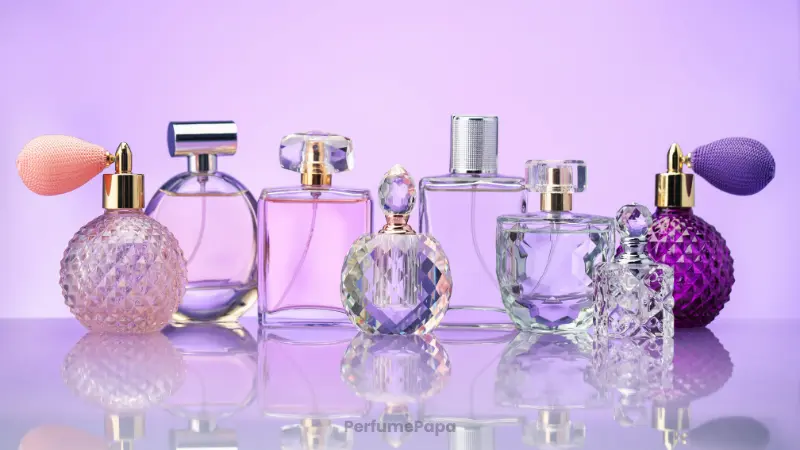
The Luxury Shift: Navigating the Evolving Luxury Perfume Landscape
At PerfumePapa.online, we have always prided ourselves on an in-depth understanding of the intricate world of fragrances, from their storied histories to their cutting-edge innovations. As we systematically analyze the global perfume market, particularly within the discerning luxury segment, it becomes abundantly clear that 2026 marks a pivotal period of transformation. Consumers are no longer merely seeking a pleasant aroma; they are pursuing an elevated experience, a personal statement, and a reflection of their values. This comprehensive analysis will explore three profound trends poised to redefine your perfume purchases in the coming year, underscoring the shift towards a more intentional and enriched olfactive journey.
The luxury fragrance market is experiencing robust growth, with projections indicating a rise to USD 53.59 billion in 2026 and an expected reach of USD 79.50 billion by 2031, demonstrating an impressive compound annual growth rate (CAGR) of 8.21% during this period. This acceleration signifies a structural shift where olfactory identity is increasingly prioritized over traditional brand heritage alone. Consumers, especially millennials and Gen Z, are driving this demand, with 65% of luxury fragrance consumers falling into the 25-44 age bracket. They are seeking more than just a scent; they desire products that resonate with their personal preferences, ethical considerations, and desire for unique experiences. We have identified three dominant trends that encapsulate this evolving landscape: the quest for hyper-personalization, the unwavering commitment to radical transparency and sustainable luxury, and the rise of immersive digital and phygital retail experiences.
Trend 1: The Era of Olfactive Individuality: Hyper-Personalization and Bespoke Blending
The days of one-size-fits-all fragrances are rapidly fading, especially within the luxury sphere. Today's sophisticated perfume enthusiast demands a scent that is as unique as their own fingerprint, a true extension of their personality and lifestyle. We are witnessing an unprecedented demand for hyper-personalization, where consumers actively participate in crafting their olfactory identity. This isn't just about choosing a perfume; it's about curating a personal scent story.
Beyond Mass Market: The Demand for Unique Scent Signatures
Affluent consumers are increasingly seeking products and experiences crafted precisely to their unique preferences and aspirations. This sentiment is particularly strong in the fragrance world, where a personal scent can evoke powerful emotions and memories. Studies reveal that 72% of luxury consumers prefer personalization when interacting with luxury brands, with targeted recommendations being crucial in digital shopping for 26% of them. This shift is fueled by a desire for exclusivity and a strong inclination towards self-expression. As Professor Nancy F. Koehn of Harvard Business School emphasizes, "People today are using consumption even more vigorously to assert who they are socially, psychically, and culturally". Luxury perfumes, therefore, are becoming powerful tools for asserting individuality.
Artificial Intelligence (AI) is playing a transformative role in meeting this demand. AI-powered systems can analyze personal data, browsing patterns, and even physiological responses to suggest custom fragrance blends or recommend perfumes aligned with individual tastes. Companies are investing in AI-driven personalization platforms to elevate the custom fragrance experience, generating tailor-made fragrances that match each user's unique profile. These technologies allow for an unprecedented level of individualized recommendations, moving far beyond generic categories to truly bespoke suggestions.
The Art of Bespoke Perfumery: Crafting Your Personal Scent Story
Bespoke perfumery, once reserved for the ultra-elite, is becoming more accessible through innovative approaches. This includes offering layering systems designed for custom combinations, providing options for fragrance concentration, and personalized consultations, both virtually and in-person. The goal is to provide consumers with the ability to "imprint their products with some degree of consumer essence," transforming a purchase into a timeless investment.
We predict an acceleration of brands offering digital tools that allow customers to participate in the creative process, choosing ingredients and crafting their own signature scent. This fosters deeper emotional connections and builds brand loyalty by offering an interactive experience that resonates with personal identities. The challenge for luxury brands lies in balancing extensive customization with maintaining brand identity and quality, as too much design freedom can sometimes reduce the perceived design equity of a luxury product. However, the strategic integration of AI ensures that personalization enhances, rather than dilutes, the luxury experience.
Trend 2: Conscientious Craftsmanship: Radical Transparency and Sustainable Luxury
The luxury market, traditionally shrouded in mystique, is increasingly adopting radical transparency as a core tenet. Modern consumers, particularly younger generations, are not only discerning about quality but also deeply invested in the ethical and environmental footprint of their purchases. This is reshaping how luxury perfumes are sourced, formulated, packaged, and marketed.
The Green Revolution: Ethical Sourcing and Eco-Conscious Ingredients
Sustainability is no longer a niche concern but a fundamental expectation across the luxury goods sector. Consumers in 2026 demand to know exactly what's in their perfumes and where it originates. This has led to a significant push for ethical sourcing, with brands providing detailed ingredient disclosures, origin stories, and transparency about both natural and synthetic components. For instance, perfume descriptions now highlight the specific regions where roses are grown, the sustainable oud plantations, or the family-owned bergamot farms. This level of detail builds trust and deepens appreciation for the artistry and resources behind luxury fragrances.
The demand for organic, clean, and natural fragrances is surging. In 2023, 60% of luxury fragrance brands launched clean or natural fragrances, a significant increase from 35% in 2020. The global organic perfumes market is estimated at USD 7.5 billion in 2025 and is projected to grow substantially, reflecting a strong consumer preference for natural and non-toxic products. Around 65% of luxury consumers are now willing to pay more for fragrances that align with sustainable values, showing that ethical practices are a key driver for purchasing decisions. According to a report from McKinsey & Company, 70% of consumers are willing to pay a premium for sustainably produced items, underscoring the business imperative for environmental and social responsibility (as highlighted in an AP News report citing McKinsey & Company).
Packaging with Purpose: Refillable Designs and Circular Economy Principles
The environmental impact of packaging has become a critical focus. With over 20 billion fragrance packaging units produced annually and 95% often discarded after a single use, brands are under pressure to innovate. We observe that refillable luxury bottles are becoming standard, alongside biodegradable packaging that still maintains a premium feel. For example, 45% of luxury fragrance brands have achieved carbon neutrality in their operations, and 80% utilize renewable energy in production. Moreover, luxury fragrance brands have reduced packaging waste by 30% through refillable bottle programs.
The future of fragrance packaging includes lighter, smarter, and more circular designs, with potential for smart chips, compostable refills, and reusable prestige bottles that become collectibles. This commitment to the circular economy—minimizing waste and maximizing resource utility—is not merely about compliance but about building a brand legacy rooted in responsibility. This holistic approach to sustainability ensures that luxury and eco-consciousness can coexist beautifully.
Trend 3: The Phygital Frontier: Immersive Digital and Experiential Retail
The intersection of the physical and digital worlds, or "phygital," is profoundly transforming how consumers discover, experience, and purchase luxury perfumes. While the tactile and sensory nature of fragrance has traditionally necessitated in-person sampling, advancements in technology are now enabling rich, immersive experiences that bridge this gap, enhancing both convenience and engagement.
Bridging Worlds: Virtual Scent Discovery and AI-Powered Recommendations
The digital revolution and artificial intelligence have made surprising advances in how we explore perfumes. Augmented Reality (AR) and Virtual Reality (VR) technologies are increasingly integrated into the luxury fragrance retail journey. Through AR apps, users can virtually "test" scents, integrating sensory descriptions with technology to provide a preliminary impression before purchase. This immersive approach allows for an enhanced understanding of the fragrance profile without immediate physical contact, especially useful in an online context.
AI continues to play a central role in guiding consumers through this digital landscape. AI algorithms analyze preferences, lifestyle, and past purchases to recommend tailored fragrances. Platforms like ScentXP, for instance, offer personalized recommendations based on an individual's olfactory profile through advanced algorithms and AI, mimicking the expertise of a physical perfumery consultant. This capability is critical as online sales, particularly Direct-to-Consumer (DTC) channels, continue to grow, outpacing traditional retail channels with a 28% growth in 2023 for luxury fragrances.
The Experiential Imperative: Pop-ups, Workshops, and Blended Journeys
Despite the rise of digital, physical experiences remain vital. In-store experiences still drive 70% of luxury fragrance purchases as impulse buys. However, these physical touchpoints are evolving. Pop-up stores, for example, increase brand exposure by 50% and drive 35% of sales during their tenure, demonstrating their effectiveness as experiential hubs. The future lies in omnichannel strategies that seamlessly blend the digital and physical, offering consistent information and personalized interactions across all touchpoints.
Luxury brands are creating "phygital" experiences that might include interactive workshops for custom blending, virtual consultations followed by physical product delivery, or AR-enabled packaging that provides deeper insights into a fragrance's story. This holistic approach ensures that whether a customer is browsing online or stepping into a boutique, their journey is cohesive, engaging, and personalized. The blending of tradition with technological innovation is creating a truly modern luxury experience.
Comparative Analysis: Traditional vs. Emerging Perfume Retail
To further illustrate the 'Luxury Shift,' we've compiled a comparative analysis of how traditional and emerging perfume retail paradigms address key consumer needs:
| Feature | Traditional Luxury Perfume Retail | Emerging "Phygital" Luxury Perfume Retail (2026) |
|---|---|---|
| Discovery & Exploration | In-store sniffing, static displays, sales associate guidance. | AI-powered recommendations, AR/VR scent visualization, virtual try-ons, curated digital content. |
| Personalization | Limited to product selection, basic engraving, gift wrapping. | Bespoke blending, custom layering sets, AI-driven profile matching, personalized consultations (virtual/in-person). |
| Sustainability Focus | Minimal or no explicit focus, reliance on brand prestige. | Transparent sourcing, refillable packaging, eco-conscious ingredients, carbon-neutral practices prominently advertised. |
| Accessibility | Exclusive to physical boutiques, limited geographic reach. | Global online presence, DTC growth, pop-up events, seamless omnichannel experience. |
| Engagement Model | Transactional, product-centric. | Experiential, community-driven, continuous relationship building via digital platforms and events. |
| Data Utilization | Manual client books, anecdotal customer insights. | Real-time data analytics, predictive insights for bespoke offerings, AI for understanding customer needs. |
This table clearly demonstrates that the modern luxury perfume market is evolving to be more dynamic, responsive, and deeply integrated with both technology and ethical considerations. The expectation for personalized interactions is so high that 80% of consumers expect them, though many experiences still fall short.
The Road Ahead: PerfumePapa's Vision for 2026 and Beyond
As we navigate the fascinating evolution of the luxury perfume market into 2026, it is evident that the "Luxury Shift" is more than just fleeting trends; it represents a fundamental redefinition of value. Consumers are actively seeking fragrances that are not only exquisite in their composition but also deeply personal, ethically produced, and accessible through innovative, engaging experiences. At PerfumePapa.online, we are committed to staying at the forefront of these transformations, continuously curating an unparalleled selection that reflects these defining trends.
We are dedicated to providing our discerning clientele with access to the most innovative hyper-personalized fragrance options, championing brands that exemplify radical transparency and sustainable luxury, and embracing the exciting possibilities of phygital retail to offer truly immersive scent journeys. Our expertise, rooted in years of industry analysis and a passion for perfumery, ensures that your experience with us is always authoritative, trustworthy, and aligned with the future of fine fragrance. The future of luxury perfume is personal, responsible, and experiential, and we invite you to explore it with us.
Suggested Articles
 General
Best Oriental Perfumes for Women: Warm, Sexy & Unforgettable
Discover the captivating world of oriental perfumes for women. Explore rich, spicy, and vanilla-infused scents that l...
Read Article arrow_forward General
2026 Scent Report: Future Fragrance Trends Unveiled
Explore the key predictions for 2026 fragrance trends, from sustainable sourcing to digital scents and hyper-personal...
Read Article arrow_forward General
Best Perfumes for Women in 2026: Editor's Top 20 Picks
Discover the definitive list of the best perfumes for women in 2026, meticulously curated by our experts for unparall...
Read Article arrow_forward General
Tech Takeover: Shaping Future Fragrance Trends in 2026
Explore how cutting-edge technology, from AI to biotech, is revolutionizing the fragrance industry, driving hyper-per...
Read Article arrow_forward