

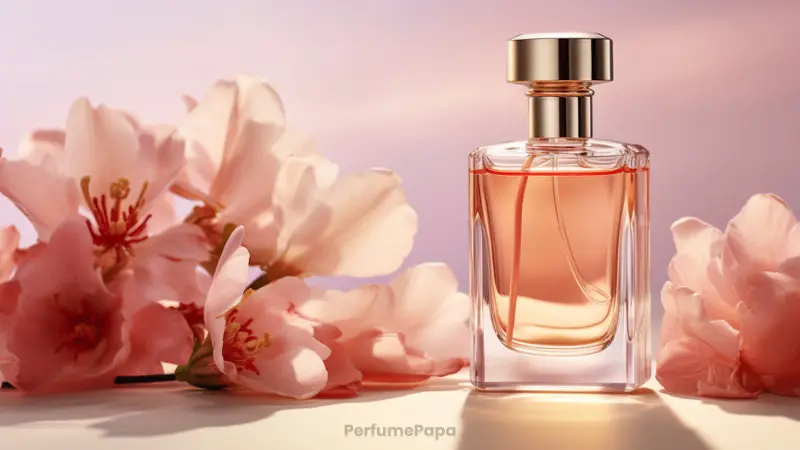
The world of fragrance is a realm of exquisite artistry and profound personal expression, continually evolving with societal shifts, technological advancements, and a deeper understanding of our sensory experiences. As we gaze towards 2026, the scent landscape is poised for a significant transformation, moving beyond traditional paradigms to embrace innovation, sustainability, and unparalleled personalization. This evolution promises not only novel olfactory experiences but also a profound impact on how we perceive and integrate fragrance into our personal style and daily lives.
For centuries, perfume has served as an invisible accessory, a signature statement, and a powerful memory trigger. However, the future holds a paradigm shift, where fragrances are no longer just products but dynamic extensions of identity, wellness, and ethical consciousness. From AI-driven custom blends to ethically sourced natural ingredients and digital scent technologies, the impending trends of 2026 are set to redefine our relationship with aroma, making it more intimate, sustainable, and utterly unique. Prepare to witness a scent revolution that promises to transform not just your fragrance wardrobe, but your entire approach to personal style and self-expression.
Technological Innovations Shaping Scent Creation
The convergence of cutting-edge technology and perfumery is undoubtedly one of the most exciting frontiers in the upcoming years. Artificial Intelligence (AI) and biotechnology are no longer just buzzwords but integral tools in the creation of tomorrow's most captivating scents. AI algorithms are proving invaluable in analyzing vast datasets of olfactory preferences, predicting emerging trends, and even generating novel scent combinations that human perfumers might not conceive.
AI-Powered Customization and Predictive Analytics
- Personalized Blends: Imagine an AI analyzing your lifestyle, mood, skin chemistry, and even genetic predispositions to craft a perfume tailored exclusively for you. This bespoke approach moves beyond simple questionnaires, delving into nuanced data points to create truly unique olfactory signatures.
- Trend Forecasting: AI can sift through social media trends, sales data, and cultural shifts faster and more accurately than any human team, identifying nascent scent preferences and predicting the next big ingredient or accord years in advance. This allows brands to be proactive, not reactive, in their innovation cycle.
Biotechnology and Sustainable Molecules
Biotechnology is revolutionizing the sourcing and creation of fragrance molecules. This field offers sustainable alternatives to scarce or environmentally sensitive natural ingredients, allowing perfumers to replicate complex aromas without depleting natural resources. Moreover, biotechnology enables the creation of entirely new molecules with unprecedented scent profiles, expanding the perfumer's palette in ways previously unimaginable.
- Synthetic Natures: Advanced bio-fermentation processes can produce "nature-identical" molecules, such as civetone or muscone, with reduced environmental impact compared to animal-derived or heavily resource-intensive botanical extractions.
- Novel Molecules: Scientists are engineering new aroma compounds that offer unique performance characteristics, such as enhanced longevity, specific diffusion patterns, or even mood-enhancing properties, pushing the boundaries of what a fragrance can achieve.
Sustainability and Ethical Sourcing at the Forefront
As global consciousness shifts towards environmental responsibility, the fragrance industry is under increasing pressure – and rising to the challenge – to adopt sustainable and ethical practices. By 2026, sustainability will not be a niche concern but a fundamental expectation from consumers, influencing everything from ingredient sourcing to packaging and production methods. This commitment to the planet and its people will profoundly shape the future of perfumery.
Eco-Conscious Ingredient Sourcing
Consumers are demanding transparency and traceability. Brands are responding by focusing on ingredients that are:
- Ethically Harvested: Ensuring fair wages, safe working conditions, and community development for ingredient farmers and harvesters.
- Renewably Sourced: Prioritizing botanicals from sustainable agricultural projects that minimize ecological footprint and support biodiversity.
- Upcycled Materials: Transforming by-products from other industries (e.g., fruit waste, wood shavings) into valuable fragrance components, reducing waste and creating innovative notes.
Packaging Innovation and Circular Economy
Suggested Articles
 General
Your 2026 Scent Guide: Navigating the Future of Fragrance
Explore the cutting-edge trends shaping the fragrance world in 2026, from sustainable sourcing to AI-driven personali...
Read Article arrow_forward General
Unseen Forces: Driving Future Fragrance Trends 2026
Discover the unexpected triggers—from AI and sustainability to wellness—shaping the future of fragrance in 2026 and b...
Read Article arrow_forward General
 General
Million-Dollar Scent: Hidden Costs of Luxury Perfume 2026
Uncover the 4 surprising hidden costs of luxury perfumes in 2026. Learn how to identify and avoid these expenses to s...
Read Article arrow_forward