

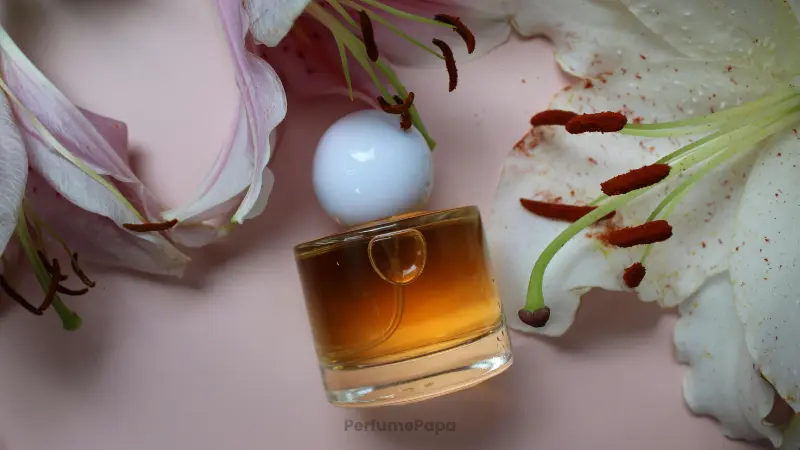
Unveiling 2026's Scent Horizons: The Future Fragrance Trends You Can't Miss
The world of fragrance is constantly evolving, a delicate dance between tradition and innovation. As we cast our gaze towards 2026, it's clear that the scent landscape is poised for a significant transformation, driven by shifts in consumer values, technological advancements, and a deeper understanding of scent's profound impact on human well-being. Far from being mere accessories, fragrances in 2026 will be reflections of personal identity, ethical considerations, and even therapeutic aspirations. This authoritative guide delves into the defining trends that will shape the future of perfumery, offering insights for both discerning consumers and industry professionals. We'll explore the confluence of sustainability, personalization, digital integration, and the quest for emotional resonance, charting a course through the exhilarating new horizons of scent. Understanding these shifts is crucial for anyone keen to stay ahead in a market that is becoming increasingly sophisticated and purpose-driven. The coming years promise a fragrant revolution, where every spritz tells a more complex and meaningful story than ever before.
The Rise of Sustainable and Ethical Fragrances
Sustainability is no longer a niche concern; it is a fundamental expectation that permeates every industry, and perfumery is no exception. In 2026, the demand for ethically sourced ingredients, environmentally friendly packaging, and transparent supply chains will reach unprecedented levels. Consumers are increasingly scrutinizing the origins of their fragrances, seeking assurance that their choices do not contribute to environmental degradation or exploitative labor practices. This trend manifests in several key areas:
- Ethical Sourcing: A strong emphasis on ingredients obtained through fair trade practices, supporting local communities and ensuring fair wages for cultivators. Brands will highlight partnerships with specific regions and growers, offering stories behind their raw materials.
- Biodegradable Formulations: The move towards formulations that are not only safe for the skin but also for the planet, minimizing their environmental footprint upon disposal or wash-off. This includes a reduction in synthetic compounds derived from petrochemicals where natural, sustainable alternatives exist.
- Recycled and Refillable Packaging: A significant push towards innovative packaging solutions that utilize recycled materials, are easily recyclable, or, most importantly, offer refill options. Reusable bottles, chic flacons designed for longevity, and subscription models for refills will become commonplace.
- Carbon Footprint Reduction: Brands will increasingly measure and disclose their carbon footprint, implementing strategies to reduce emissions across their production, distribution, and retail operations. Expect to see certifications and labels that verify these efforts.
This ethical imperative transforms the fragrance industry from a luxury indulgence into a conscientious choice, aligning with a broader consumer movement towards mindful consumption. For more insights into how businesses are adapting, explore the articles and updates on PerfumePapa.online/posts which frequently cover industry shifts.
Personalization and Bespoke Scents
In an era defined by individuality, generic mass-market fragrances are giving way to a profound desire for personalized olfactory experiences. 2026 will see the acceleration of bespoke and semi-bespoke perfumery, making the dream of a unique signature scent more accessible than ever before. This trend is fueled by advances in AI, digital profiling, and a consumer yearning to express their unique identity through scent.
- AI-Powered Scent Creation: Artificial intelligence will play an increasingly crucial role in analyzing individual preferences, lifestyle data, and even mood to suggest or formulate personalized fragrance compositions. Imagine an algorithm suggesting notes based on your favorite colors, music, or even past purchases.
- Modular Fragrances: Brands will offer "build-your-own" kits or collections of complementary single notes and accords that consumers can layer and combine at home to create their custom blends. This empowers users to become their own perfumers, adapting their scent to different occasions or moods.
- DNA-Based Perfumery: While still nascent, the concept of creating scents tailored to an individual's unique genetic makeup or skin chemistry could gain traction, moving beyond simple pheromone claims to a more scientifically grounded approach.
- Interactive Retail Experiences: In-store and online platforms will offer more interactive tools, allowing customers to digitally blend scents, visualize combinations, and receive expert recommendations based on detailed questionnaires.
This push towards hyper-personalization transforms the act of choosing a fragrance into a deeply engaging, co-creative process, ensuring that the final scent truly resonates with the wearer's essence.
Genderless Fragrances: Breaking Traditional Boundaries
The rigid distinction between "masculine" and "feminine" scents is rapidly dissolving, and by 2026, genderless or "gender-fluid" fragrances will be firmly established as a dominant category. This shift reflects a broader societal movement towards inclusivity and self-expression, where individuals are encouraged to transcend traditional labels.
Historically, perfumery heavily relied on gendered marketing – robust woods and spices for men, delicate florals and fruits for women. However, modern consumers, particularly younger generations, reject these arbitrary classifications. They seek scents that appeal to their personal preferences, unconstrained by outdated gender norms.
This trend is characterized by:
- Olfactory Diversity: A celebration of a wider range of notes and accords, blending traditionally "masculine" notes like vetiver and leather with "feminine" notes such as jasmine and rose, or exploring truly ambiguous scent profiles like mineral, metallic, or green notes.
- Inclusive Marketing: Advertising campaigns for gender
Suggested Articles
 General
Smart Scent Shopping: Future Fragrance Trends 2026
Discover the evolving world of fragrance with our buyer's guide to 2026 trends, from personalized scents to sustainab...
Read Article arrow_forward General
Future Fragrance Trends 2026: Enhancing Daily Rituals
Explore the transformative fragrance trends of 2026, from AI-driven personalization to wellness scents, revolutionizi...
Read Article arrow_forward
General
Invest in Scent: 2026 Guide to Timeless Luxury Perfumes
Discover how to invest wisely in luxury perfumes for 2026. This guide helps you choose timeless scents and avoid comm...
Read Article arrow_forward General
Unbound Scent: 9 Revolutionary Gender-Neutral Fragrances Shattering Norms in 2026
Discover the future of fragrance with our top 9 revolutionary gender-neutral scents. Breaking traditional boundaries,...
Read Article arrow_forward