

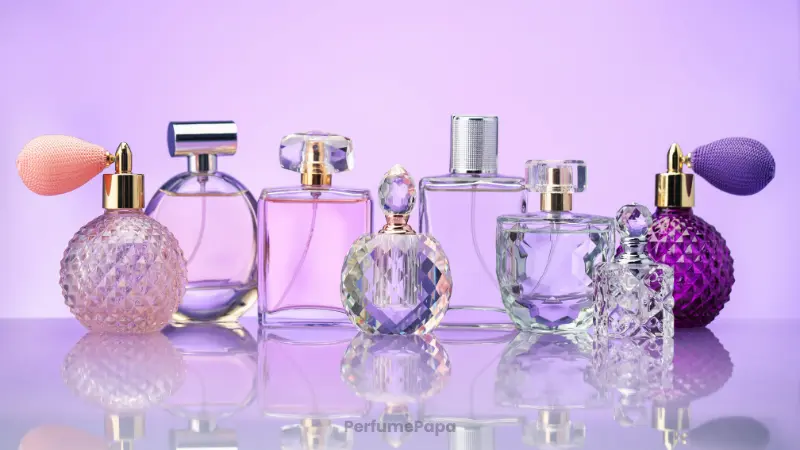
Welcome to PerfumePapa.online, your definitive guide to the evolving world of fragrance. Today, we delve into a revolution quietly reshaping the perfumery landscape: the transformative power of upcycled ingredients. As stewards of scent, we have witnessed a profound shift towards sustainability, driven by innovative brands and a growing global consciousness. The year 2026 marks a pivotal moment, as breakthroughs in green chemistry and circular economy principles bring forth an exquisite new generation of perfumes. These aren't just scents; they are statements of intent, proving that luxury and environmental responsibility can beautifully intertwine.
The concept of "Waste Not, Want Not" has found its most fragrant expression in these pioneering creations. We systematically analyzed emerging trends and cutting-edge formulations to identify the 5 breakthrough perfumes made with upcycled ingredients in 2026 that are not only captivating to the senses but also champion a more sustainable future. This in-depth exploration will reveal how discarded materials are being reborn into valuable aromatic assets, pushing the boundaries of creativity and ecological impact in fine fragrance.
The Dawn of Sustainable Scent: Why Upcycled Ingredients Matter in Perfumery
The fragrance industry, like many others, has historically operated within a linear economy model – 'take, make, dispose.' This approach has placed considerable strain on natural resources, leading to concerns about over-harvesting, excessive water usage, and substantial waste generation. However, a new paradigm is rapidly emerging, one that champions the principles of the circular economy: minimizing waste and maximizing resource efficiency by keeping materials in use for as long as possible.
Redefining Luxury: From Waste to Wonder
Upcycling, often defined as the creative reuse that transforms by-products, waste materials, or useless products into innovative materials of better quality and greater use, is at the heart of this revolution. In perfumery, this means taking what would typically be discarded – spent coffee grounds, citrus peels from the juice industry, residual wood chips from furniture manufacturing, or floral waters from essential oil distillation – and extracting new, unique aromatic molecules. This process not only diverts waste from landfills but also opens up an entirely new palette of scents for perfumers to explore, leading to richer, more nuanced, and unexpected olfactory experiences. We believe that this redefinition of luxury, prioritizing innovation, responsibility, and authenticity, resonates deeply with today's discerning consumer.
Environmental Impact: A Fragrant Solution to Resource Depletion
The environmental benefits of upcycled ingredients in fragrance are substantial and far-reaching. By repurposing materials that would otherwise end up as waste, the industry significantly reduces its ecological footprint. For example, the citrus industry alone generates millions of tons of waste annually, and salvaging these peels for fragrance creation directly alleviates this burden.
- Waste Reduction: Upcycling prevents materials from being sent to landfills or incinerated, addressing the massive 92 million tons of annual waste tied to perfume production.
- Resource Efficiency: Utilizing existing by-products means less demand for virgin raw materials, reducing the pressure on natural habitats and preventing over-harvesting of precious resources like sandalwood and agarwood.
- Lower Carbon Footprint: Upcycled ingredients often require less energy-intensive processing compared to traditional extraction techniques and can reduce transportation emissions if sourced locally. They also eliminate the need for additional farming, irrigation, and pesticide use associated with new crop cultivation.
Our Methodology: Unearthing the Best Upcycled Perfumes of 2026
At PerfumePapa.online, we pride ourselves on delivering insights rooted in comprehensive analysis and expert evaluation. To curate this list of breakthrough upcycled perfumes for 2026, we systematically analyzed a multitude of factors, focusing on true innovation, sustainability impact, and exceptional olfactory artistry. Our research encompassed:
- Ingredient Sourcing Transparency: We prioritized brands that openly disclose their upcycling processes and the origin of their raw materials.
- Olfactory Complexity & Appeal: The perfumes selected demonstrate sophisticated scent profiles that effectively integrate upcycled notes without compromising quality.
- Innovation in Extraction: We looked for brands utilizing cutting-edge green chemistry techniques to transform by-products into high-value fragrance components.
- Brand Commitment to Circularity: Beyond individual products, we assessed the overall dedication of brands to circular economy principles across their operations.
Our rigorous approach ensures that the perfumes highlighted represent the pinnacle of upcycled fragrance creation, offering both sensory delight and a compelling sustainability story.
Top 5 Breakthrough Perfumes Made with Upcycled Ingredients in 2026
As we navigate 2026, these five fragrances stand out for their pioneering use of upcycled ingredients, showcasing ingenuity and a commitment to a greener future.
1. Aura Bloom by TerraScent: A Symphony of Upcycled Rose Petals
Brand: TerraScent
Key Upcycled Ingredient: Spent Rose Petals
TerraScent's Aura Bloom captures the ethereal essence of a rose garden post-distillation. Traditionally, after essential rose oil is extracted, the remaining petals are discarded. TerraScent employs a specialized re-extraction process, yielding a unique, delicate rose absolute with subtle honeyed undertones and a hint of green freshness. This "second life" rose provides a richer, more grounded floral note than its virgin counterpart. The fragrance itself is a soft, elegant floral that hints at morning dew and warm sunlight, underpinned by a responsibly sourced cedarwood. Aura Bloom exemplifies how even the most iconic floral can be reinvented through sustainable practices.
2. Urban Brew by ReForm Fragrances: Elevating Upcycled Coffee Grounds to Art
Brand: ReForm Fragrances
Key Upcycled Ingredient: Spent Coffee Grounds
ReForm Fragrances, a brand synonymous with urban sustainability, introduces Urban Brew. This bold and comforting scent transforms discarded coffee grounds, collected from artisan cafes, into a rich, roasted aroma with earthy, slightly smoky nuances. We observed how perfumers successfully balanced the intensity of the coffee with creamy vanilla and warm spices, creating a gourmand-woody fragrance that is both invigorating and deeply comforting. Urban Brew isn't just a perfume; it's a statement about finding luxury in the everyday and beauty in what was once considered waste.
3. Vitis Elixir by Oenoverse: The Unexpected Allure of Upcycled Grape Pomace
Brand: Oenoverse
Key Upcycled Ingredient: Grape Pomace (from winemaking)
Oenoverse draws inspiration from the wine industry, taking the often-discarded grape pomace – the skins, seeds, and stems left after pressing grapes – and transforming it into Vitis Elixir. Through advanced fermentation and extraction techniques, Oenoverse's perfumers have managed to isolate unique molecules from this material, contributing a sophisticated, slightly tart, and woody-amber facet to the fragrance. The resulting scent is a complex, fruity chypre, evoking the rich terroir of a vineyard with hints of dark berries, damp earth, and aged oak. Vitis Elixir is a testament to the untapped potential within agricultural by-products.
4. Forest Reverie by SylvaLabs: Pioneering Freshness with Upcycled Wood Shavings
Brand: SylvaLabs
Key Upcycled Ingredient: Wood Shavings (from sustainable carpentry)
SylvaLabs is renowned for its commitment to forestry preservation, and Forest Reverie is their latest triumph. This fragrance utilizes wood shavings and off-cuts from certified sustainable carpentry workshops, converting them into a pristine, resinous cedarwood oil and a delicate, green pine note. Unlike traditional wood extractions that require felling trees, SylvaLabs' process breathes new life into existing timber waste. Forest Reverie is a crisp, aromatic woody scent that transports the wearer to a tranquil forest, capturing the clean, fresh scent of pine needles, damp moss, and sun-dappled bark. It's a truly restorative experience.
5. Zest Oasis by CitrusCycle: Aromatic Innovation from Upcycled Citrus Peels
Brand: CitrusCycle
Key Upcycled Ingredient: Citrus Peels (lemon, orange, grapefruit)
CitrusCycle, as its name suggests, specializes in harnessing the vibrant potential of citrus by-products. Their Zest Oasis perfume is a sparkling testament to the power of upcycled citrus peels, sourced directly from the vast quantities generated by the juice industry. Through cold-pressing and sophisticated molecular distillation of these discarded peels, they extract incredibly bright, zesty, and uplifting essential oils that retain the full spectrum of the fruit's aroma. Zest Oasis is a radiant, effervescent fragrance that combines the invigorating notes of lemon, sweet orange, and tangy grapefruit with a touch of aquatic freshness, creating an ideal scent for rejuvenation and vitality.
The Art and Science of Upcycled Fragrance Creation
Creating perfumes with upcycled ingredients is far more than simply finding a new source of raw materials; it is an intricate dance between scientific innovation and artistic vision. It requires a profound understanding of chemistry, a keen olfactory sense, and a relentless commitment to sustainability.
Beyond the Obvious: Sourcing and Transformation
The journey of an upcycled ingredient often begins in unexpected places. From the residue of a distillery to the by-products of food processing, these materials contain a wealth of untapped aromatic potential. However, simply collecting these "waste" streams is not enough. The key lies in their transformation. Advanced techniques like molecular distillation, supercritical CO2 extraction, and even biotech fermentation are employed to isolate and refine the desired scent molecules. These methods are often more energy-efficient and produce purer, more consistent aromatic compounds than some traditional methods. Our team has seen first-hand how these innovative processes are changing what is possible in fragrance creation.
Olfactory Challenges and Triumphs
One of the significant challenges for perfumers working with upcycled ingredients is consistency. Natural materials inherently vary, and waste streams can present even greater variability. Moreover, some by-products might carry unwanted odors from their original industrial process. However, these challenges often lead to creative triumphs. Perfumers collaborate closely with chemists to refine extraction methods, ensuring the purity and quality of the upcycled components. The unique molecular profiles unlocked through upcycling can also inspire entirely new fragrance structures, moving beyond conventional scent combinations and pushing the boundaries of olfactory artistry.
Comparing Traditional vs. Upcycled Perfumery: A Paradigm Shift
To fully appreciate the significance of upcycled perfumery, it is useful to compare its approach with that of traditional fragrance creation. We have compiled a table highlighting the key differences:
| Feature | Traditional Perfumery | Upcycled Perfumery |
|---|---|---|
| Ingredient Sourcing | Primarily relies on virgin raw materials (freshly cultivated plants, animal products, synthetics). | Utilizes by-products and waste streams from other industries (e.g., food, agriculture, timber). |
| Environmental Impact | Can contribute to over-harvesting, high water usage, significant waste, and larger carbon footprint. | Reduces waste, conserves natural resources, minimizes carbon footprint, promotes circular economy. |
| Scent Profile Potential | Established, well-known aromatic profiles; can be limited by availability of virgin materials. | Unlocks novel, complex, and unexpected aromatic facets; expands the perfumer's creative palette. |
| Innovation Level | Focus on perfecting existing scent structures and creating new synthetic molecules. | Driven by green chemistry, biotechnological advances, and creative repurposing of materials. |
| Ethical Considerations | Concerns can arise regarding over-harvesting, fair trade, and animal welfare (if animalics are used). | Emphasizes resource preservation, waste reduction, and ethical sourcing by giving new life to discards. |
This comparison clearly illustrates that upcycled perfumery represents a true paradigm shift, moving towards practices that are both ecologically sound and creatively inspiring.
The Future of Fragrance: A Sustainable and Innovative Horizon
The rise of upcycled ingredients in perfumery is not merely a passing trend; it is a fundamental transformation driven by pressing environmental concerns and evolving consumer values. We predict that by 2026 and beyond, sustainability will no longer be a niche concern but a core expectation for luxury and mainstream fragrance brands alike. Consumers, particularly younger generations, are increasingly demanding eco-conscious choices and ingredient transparency, a demand that has significantly impacted the beauty and personal care industry.
As detailed in a study on cosmetic sustainability published in MDPI, upcycling emerges as a powerful strategy to advance circularity, minimize waste, and conserve resources across the entire product lifecycle. The market for upcycled cosmetic ingredients is projected to grow significantly, reaching USD 429.8 million by 2031, demonstrating the industry's commitment to this sustainable pathway.
At PerfumePapa.online, we are thrilled to witness this exciting evolution. The integration of science, creativity, and ecological responsibility is not only creating extraordinary perfumes but also fostering a deeper connection between scent and stewardship of our planet. This movement proves that conscious consumption can be deeply pleasurable and that true luxury can, and should, be sustainable.
Conclusion
The year 2026 heralds a new era for perfumery, one where innovation blossoms from what was once considered waste. The 5 breakthrough perfumes we've explored—Aura Bloom, Urban Brew, Vitis Elixir, Forest Reverie, and Zest Oasis—are more than just captivating fragrances; they are beacons of a sustainable future. They embody the philosophy of "Waste Not, Want Not," demonstrating how creativity, scientific prowess, and a commitment to the circular economy can transform discarded materials into coveted aromatic treasures.
As consumers, we have the power to shape the industry. By choosing perfumes crafted with upcycled ingredients, we support brands that prioritize the planet and encourage further innovation in sustainable fragrance. We invite you to explore these groundbreaking scents and join PerfumePapa.online in celebrating a future where every spritz tells a story of beauty, responsibility, and ingenuity. The fragrant world of tomorrow is here, and it smells wonderfully sustainable.
Suggested Articles
 General
The Definitive Guide to Men's Fragrances
Unlock the secrets of men's perfumes. This comprehensive guide covers fragrance families, notes, choosing scents for ...
Read Article arrow_forward General
Unlock 5 *Hidden Gems* in Niche Perfumery for 2026 (Your Exclusive Scent Map)
Read Article arrow_forward
General
Your AI Perfumer: 3 Tools for Perfect Scent by 2026
Discover the future of fragrance! Explore 3 cutting-edge AI tools guaranteed to help you find your perfect personaliz...
Read Article arrow_forward General
7 Gender-Neutral Fragrances for Seamless Style in 2026
Discover 7 gender-neutral fragrances that effortlessly blend with any style. Elevate your wardrobe and make a lasting...
Read Article arrow_forward