
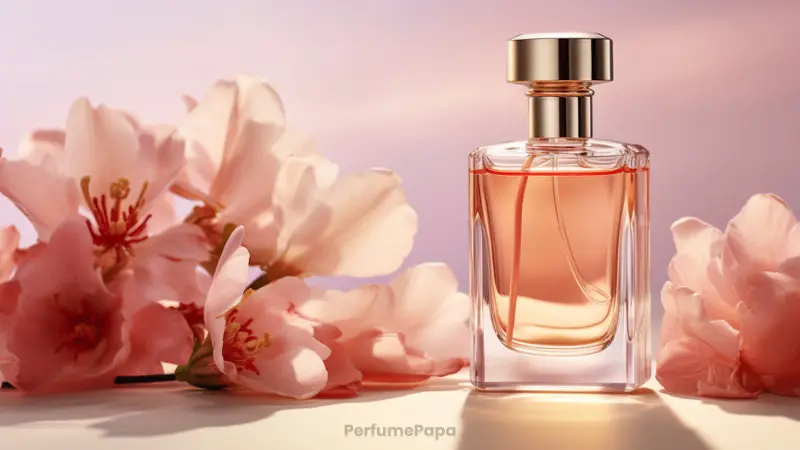
The world of luxury perfume, a realm long defined by heritage houses, exquisite craftsmanship, and aspirational marketing, is currently navigating a period of unprecedented transformation. For connoisseurs, collectors, and industry stakeholders alike, understanding the seismic shifts underway is no longer merely advantageous—it is essential for staying ahead. At PerfumePapa.online, we systematically analyzed market dynamics, technological advancements, and evolving consumer behaviors to identify the seven most disruptive trends set to dominate the 2026 luxury perfume market. These are not fleeting fads but fundamental shifts that redefine how fragrances are created, discovered, purchased, and experienced.
The global luxury perfume market, valued at an estimated USD 63.5 billion in 2026, is on a robust upward trajectory, projected to reach USD 96.1 billion by 2033, demonstrating a Compound Annual Growth Rate (CAGR) of 6.1%. This significant growth underscores a vibrant, yet increasingly complex, landscape where traditional allure meets modern innovation. We invite you to delve into these trends that offer the secret edge to navigating and thriving in this exciting new olfactory frontier.
The Evolving Landscape of Luxury Fragrance
For centuries, luxury perfume was largely about exclusivity, status, and the masterful creations of a select few perfumers. While these elements remain integral, the digital age and a global shift in consumer values have profoundly reshaped the industry. Today's luxury consumers are more informed, more discerning, and more demanding than ever before, seeking authentic connections and unique experiences.
Shifting Consumer Demands and Expectations
Modern consumers increasingly view fragrance as an extension of their personal identity and a powerful tool for self-expression, moving far beyond its traditional role as a mere personal care item. This desire for individuality has fueled a remarkable surge in niche and artisanal fragrances, a segment that is experiencing rapid expansion. In 2026, niche fragrances are showing a significant growth rate of 13.2%, while the broader luxury market accounts for an impressive 65.25% of the total market value. The luxury niche market alone is anticipated to grow from USD 4.85 billion in 2026 to USD 14.79 billion by 2035, illustrating a clear preference for uniqueness, artistic storytelling, and a departure from mass-market scents. Consumers are gravitating towards products that offer a deeper emotional resonance and memorable experiences, valuing these aspects over sheer brand heritage.
The Digital Transformation of Scent Discovery
The pathway to discovering and purchasing luxury fragrances has been irrevocably altered by digital innovation. E-commerce platforms and sophisticated digital marketing campaigns have democratized access to an expansive world of scents, enabling brands to reach a wider, global audience and foster direct-to-consumer relationships. The influence of digital platforms is undeniable, with online sales expanding at a faster pace, showing a 13.95% annual growth rate. By 2026, online stores have emerged as a dominant distribution channel, commanding approximately 28.1% of total luxury perfume sales and fundamentally reshaping retail dynamics for both established heritage brands and emerging luxury producers. Social media influencers and expert scent curators now play a pivotal role in shaping consumer perception and desirability, further amplifying the impact of new product launches.
Unveiling the 7 Disruptive Trends
At PerfumePapa.online, we've meticulously identified the core trends that are not just changing the game, but rewriting the rules for luxury perfumery.
1. Hyper-Personalization and Bespoke Blends
The quest for individuality has propelled hyper-personalization to the forefront of luxury fragrance. What was once the exclusive domain of bespoke sessions with master perfumers is now becoming increasingly accessible. AI-driven systems are democratizing this experience, analyzing intricate customer data points such as location, mood, lifestyle, and past purchases to develop custom fragrance formulas. This technological leap empowers consumers to actively participate in the creation process, designing perfumes that truly resonate with their unique preferences and identities. Brands are now offering tools that enable the public to explore and design personalized scents tailored to their mood, specific occasions, or even sustainability preferences.
2. The Rise of "Clean" and Sustainable Scent
A profound shift towards ethical and environmental consciousness is redefining luxury. Consumers are increasingly demanding transparency in supply chains, ethically sourced natural ingredients, and eco-friendly packaging. The "clean beauty" movement has significantly influenced the fragrance sector, with a rising demand for products free from potentially harmful synthetic chemicals, prioritizing ingredient transparency. This trend is not merely a preference; it's a powerful purchasing driver. Over 75% of luxury shoppers actively consider a brand's environmental sustainability and ethical supply chain management when making purchasing decisions, with many expressing a willingness to pay up to 10% more for ethically produced goods. The adoption of refillable formats, as seen with major brands, reflects a direct response to this consumer demand for more responsible consumption. Natural and organic formulations are advancing rapidly, projected to grow at a 12.49% CAGR through 2031, signaling a lasting commitment to sustainable luxury.
3. AI-Driven Scent Creation and Recommendation
Artificial Intelligence (AI) is rapidly becoming a core component of fragrance development, revolutionizing the way scents are conceptualized, formulated, and matched with consumers. AI platforms support perfumers throughout the entire process, from initial ideation to complex formulation and translating intricate consumer insights into tangible scent profiles. By analyzing vast datasets of scent molecules and cross-referencing ingredients, AI can propose hundreds of formulas in minutes, significantly reducing development time and complexity while improving the "hit rate" of successful new launches. Beyond creation, AI is also pioneering functional fragrances designed to elicit specific moods or benefits, such as enhancing focus, promoting relaxation, or improving sleep. This technology is not replacing the perfumer but augmenting their capabilities, allowing for unprecedented innovation and personalization.
4. Phygital Experiences: Blending Online and Offline
The convergence of physical and digital retail, or "phygital," is creating immersive and highly engaging experiences for luxury perfume consumers. This trend aims to seamlessly blend the convenience and vastness of online shopping with the sensory richness and personalized service of traditional brick-and-mortar stores. Luxury brands are experimenting with virtual try-on experiences and augmented reality (AR) filters that allow customers to visualize perfume bottles in their environment or virtually "try" a scent's aesthetic. Prominent luxury houses have established virtual stores and metaverse presences, offering new avenues for brand exposure and sales, such as Gucci's ventures in platforms like The Sandbox. Conversely, physical boutiques are evolving to offer highly immersive scent experiences, encouraging exploration and discovery through interactive displays and personalized consultations.
5. Olfactory Wellness and Mood-Enhancing Fragrances
The luxury perfume market is witnessing a significant convergence with the wellness industry, as consumers increasingly seek out fragrances that offer benefits beyond mere scent. Fragrance is now being embraced as a powerful tool for emotional well-being and a vital part of daily self-care rituals. The market for functional fragrances, specifically designed to enhance mood, reduce stress, or boost focus, is projected to reach USD 12.07 billion in 2026. This shift means scent is transforming from a simple product category into an emotional experience, with a focus on how perfumes make the wearer feel. The growing popularity of essential oils and aromatherapy products, with the wellness perfumes market expected to double from USD 9 billion in 2025 to USD 18.2 billion by 2035, underscores this profound connection between scent and holistic health.
6. The Metaverse and NFT Fragrances
The advent of the metaverse and Non-Fungible Tokens (NFTs) initially presented a speculative yet intriguing frontier for luxury brands. While the initial euphoria surrounding the metaverse and NFTs in fashion may have tempered, a more pragmatic and strategic approach is now emerging. Luxury brands are adopting NFTs and Web3 technologies to foster deeper customer engagement, create novel revenue streams, and enhance brand loyalty. This includes offering digital versions of luxury goods, using blockchain technology for provenance tracking and authenticity verification—a crucial step in combating counterfeiting. NFTs are also being leveraged to grant exclusive access to private events, limited content, and even unique digital experiences, transforming ownership into a membership to an exclusive community. The concept of "digital twins," where an NFT corresponds to a physical product, offers a unique blend of tangible and intangible luxury.
7. Ingredient Storytelling and Provenance Transparency
Today's luxury consumer demands more than just a beautiful scent; they want to know the story behind it. Ingredient storytelling and provenance transparency have become non-negotiable standards, particularly among tech-savvy generations who actively research what goes into their products. This goes beyond mere marketing; it involves providing comprehensive information about the origin, ethical sourcing, and environmental impact of each ingredient. Brands that openly share their ethical sourcing practices and demonstrate sustainable material usage build significant trust and loyalty. This transparency not only empowers consumers to make informed choices that align with their values but also commands premium pricing, as customers are willing to invest in brands that demonstrate integrity and responsibility. A 2024 report by the Royal Society of Chemistry highlights the critical importance of promoting sustainable practices and fair trade to preserve heritage knowledge and drive social change, further cementing the significance of transparent ingredient narratives in the luxury fragrance industry.
Navigating the New Olfactory Frontier: Strategies for Success
The luxury perfume market of 2026 is dynamic and full of opportunities for those willing to embrace change and innovation. Success hinges on a forward-thinking approach that prioritizes consumer values, leverages technology, and maintains unwavering authenticity.
Adapting to Consumer Values
Brands must recognize that luxury value is increasingly measured in "moments and memories, not possessions," with emotional connection ranking as a primary driver of brand desirability. This necessitates a shift from purely product-centric marketing to experience-driven narratives that resonate deeply with the modern consumer's desire for personal significance and well-being. Understanding and catering to the nuanced demands for unique, artisanal, and wellness-focused fragrances will be key.
Embracing Technological Innovation
From AI-powered scent creation to phygital retail experiences and the strategic use of Web3 technologies, embracing innovation is paramount. Brands that invest in these areas will not only streamline their operations but also unlock new avenues for consumer engagement and personalization. The future of luxury fragrance lies in smart integration of technology that enhances, rather than detracts from, the human experience of scent.
The Importance of Authenticity and Trust
In an era of heightened awareness, authenticity and trust are the bedrock of brand loyalty. This means committing to radical transparency in sourcing, production, and environmental impact. Brands must actively combat greenwashing and genuinely adopt sustainable practices. As a recent McKinsey & Company report on luxury consumer behavior indicates, discerning clients are looking for brands that align with their personal values, making ethical and transparent practices a competitive advantage.
To further illustrate the magnitude of this transformation, we have outlined a comparison between the traditional luxury perfume market and the emerging landscape of 2026:
| Feature | Traditional Luxury Perfume Market (Pre-2020) | 2026 Luxury Perfume Market |
|---|---|---|
| Primary Driver | Status, brand heritage, exclusivity via scarcity | Self-expression, emotional connection, unique experiences, ethical values |
| Scent Creation | Master perfumer's artistic vision, limited consumer input | AI-augmented perfumery, hyper-personalization, consumer co-creation |
| Discovery & Purchase | Department stores, high-end boutiques, word-of-mouth | Phygital experiences, e-commerce, social media influencers, virtual try-ons |
| Key Focus | Aesthetic appeal, brand recognition, classic formulations | Sustainability, ingredient transparency, wellness benefits, niche artistry |
| Consumer Engagement | Exclusive events, traditional advertising | Digital communities, NFTs (digital ownership/access), personalized consultations |
| Environmental Stance | Minimal focus, often proprietary ingredients | "Clean" formulations, ethical sourcing, eco-friendly packaging, refill options |
As we navigate this exciting era, PerfumePapa.online remains committed to providing you with the most current insights and a curated selection of fragrances that embody these forward-thinking trends. The future of luxury perfume is not just about what you wear, but what it represents, how it's made, and the journey it takes from concept to your skin. The brands that understand and embrace these disruptive trends will be the ones that truly define luxury in 2026 and beyond.
Explore the evolving world of luxury fragrances with PerfumePapa.online, your definitive guide to staying ahead of the curve in scent innovation and appreciation.
Suggested Articles
 General
 General
7 Gender-Neutral Fragrances for Seamless Style in 2026
Discover 7 gender-neutral fragrances that effortlessly blend with any style. Elevate your wardrobe and make a lasting...
Read Article arrow_forward
General
Mastering the Art of Luxury Perfume: Your 2026 Guide to Discerning Quality (Before You Buy)
Read Article arrow_forward
General
Best Cologne for the Gym: Stay Fresh, Not Overpowering
Discover how to choose and apply the ideal cologne for your gym routine. Maintain freshness and confidence without di...
Read Article arrow_forward