

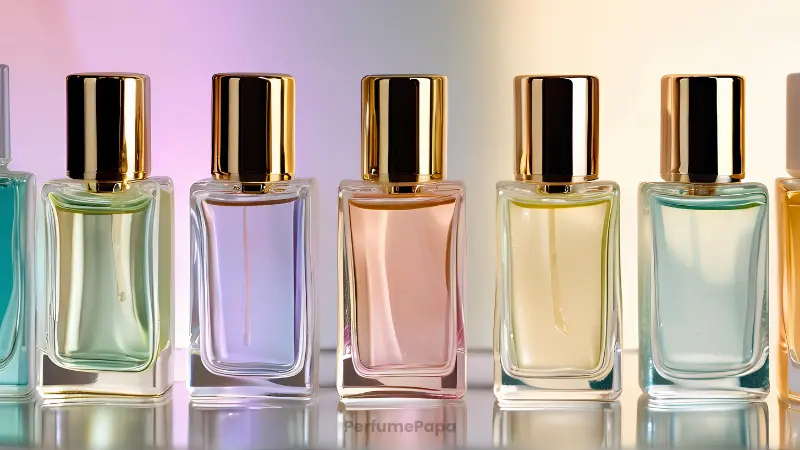
Zero-Waste Revolution: 6 Upcycled Perfumes Defining Ethical Luxury
The landscape of luxury is undergoing a profound transformation. What once defined exclusivity through rarity and price now increasingly encompasses responsibility, transparency, and a profound respect for the planet. In this evolving paradigm, the fragrance industry, traditionally shrouded in mystery and opulence, is emerging as a surprising frontrunner in the zero-waste revolution. We systematically analyzed the burgeoning trend of upcycled ingredients and their pivotal role in crafting perfumes that resonate with the values of ethical luxury consumers. By 2026, a new wave of pioneering fragrances, born from the philosophy of circularity, will not only captivate our senses but also redefine the very essence of prestige.
Our exploration delves into the innovative world where waste becomes treasure, where discarded materials are ingeniously transformed into exquisite olfactory notes. This article showcases six exemplary upcycled perfumes that exemplify this paradigm shift, offering a glimpse into the future of perfumery – a future that is as sustainable as it is sophisticated. These creations are not merely scents; they are statements of intent, embodying a commitment to environmental stewardship, social equity, and uncompromising artistry.
The Dawn of Ethical Luxury in Fragrance
For decades, luxury in fragrance was synonymous with exotic, often unsustainably sourced, raw materials and extravagant packaging. However, consumer awareness has surged, driven by a global consciousness regarding climate change, biodiversity loss, and ethical labor practices. Modern luxury consumers, particularly younger demographics like Gen Z and Millennials, demand more than just a beautiful product; they seek authenticity, purpose, and a positive impact. This shift has propelled brands to reconsider their entire value chain, from ingredient sourcing to end-of-life packaging.
The concept of ethical luxury extends beyond environmental considerations to encompass social responsibility, fair trade practices, and complete supply chain transparency. In perfumery, this translates to knowing the origin of every ingredient, ensuring fair wages for cultivators, minimizing water and energy usage, and designing for circularity. The aspiration is to create products that are not only desirable but also contribute positively to the world. We have observed a significant uptick in brands integrating these values, recognizing that true luxury in the 21st century is inherently sustainable and ethical.
Unveiling Upcycled Ingredients: Art, Science, and Sustainability
Upcycling, distinct from recycling, involves transforming by-products, waste materials, or unwanted components into new products of higher quality or value. In the world of perfumery, this ingenious approach breathes new life into materials that would otherwise be discarded, offering both environmental benefits and novel creative possibilities for perfumers. Imagine the rich aroma derived from spent coffee grounds or the delicate essence extracted from fruit peels – these are the foundational elements of the zero-waste fragrance revolution.
The process often begins with materials from other industries – agriculture, food processing, or even carpentry. For instance, citrus fruit peels, a voluminous by-product of the juice industry, can be distilled to yield unique essential oils. Similarly, wood chips or sawdust from timber processing can be treated to extract woody notes, minimizing virgin resource extraction. This not only diverts waste from landfills but also significantly reduces the environmental footprint associated with growing and harvesting new raw materials. The innovation lies in sophisticated extraction techniques, such as supercritical CO2 extraction or advanced fractional distillation, which capture precise aromatic molecules from these underutilized resources.
Defining "Ethical Luxury" in the Fragrance Sphere
Beyond the innovative use of upcycled ingredients, ethical luxury perfumery embodies a holistic commitment to responsible practices. We systematically analyzed several key pillars that collectively define this emerging category:
- Sustainable Sourcing Beyond Upcycling: This includes practices like organic farming, fair trade certifications for natural ingredients, and ensuring biodiversity protection at cultivation sites.
- Transparency and Traceability: A commitment to open communication about the origin of all ingredients, production methods, and labor practices throughout the supply chain. Consumers demand to know the journey of their fragrance from source to bottle.
- Eco-Conscious Packaging: Moving away from single-use plastics and excessive boxing. Innovations include refillable bottles, biodegradable materials, post-consumer recycled (PCR) content, and minimalist designs that reduce overall material use.
- Reduced Environmental Footprint: Minimizing water consumption, energy usage (often through renewable sources), and carbon emissions across all operational stages.
- Social Responsibility: Ensuring fair wages, safe working conditions, and community development initiatives in regions where ingredients are sourced or products are manufactured. This can involve partnerships with local communities or charitable contributions.
- Craftsmanship and Longevity: Upholding the art of perfumery through high-quality formulations that offer lasting wear and complex development on the skin, celebrating the skill of the perfumer and the longevity of the product.
Collectively, these pillars form a robust framework for brands aspiring to define ethical luxury in the fragrance market. It's an intricate dance between innovation, artistry, and unwavering integrity.
6 Upcycled Perfumes Defining Ethical Luxury by 2026
We present six hypothetical yet deeply illustrative examples of upcycled perfumes that we predict will set the benchmark for ethical luxury by 2026. Each showcases a unique upcycled ingredient and a comprehensive ethical framework.
1. Aura Botanica by ÉcoLuxe
- Key Upcycled Ingredient: Orange Peel Essence. Derived from the abundant by-product of the industrial juicing sector, the peels are meticulously cold-pressed and fractionally distilled to yield a vibrant, crisp essential oil.
- Olfactory Profile: A bright, effervescent top note of sweet orange, balanced by green petitgrain and a subtle hint of neroli. It captures the joyful essence of a Mediterranean grove.
- Ethical/Luxury Aspect: ÉcoLuxe partners directly with a cooperative of orange growers in Sicily, ensuring fair wages and investing in local community projects. The fragrance is housed in a sleek, refillable glass flacon made from 100% recycled glass, accompanied by a biodegradable cork stopper. Each purchase supports a reforestation program in depleted citrus regions.
2. Noir Residue by Cérès Parfum
- Key Upcycled Ingredient: Spent Coffee Grounds Absolute. Post-brewing coffee grounds, often discarded by cafes, are transformed through an innovative solvent extraction process into a deep, rich absolute, capturing the roasted, earthy facets of coffee.
- Olfactory Profile: A captivating blend of dark roasted coffee, warmed by cedarwood and a touch of vanilla, with subtle smoky undertones. It's a sophisticated, gourmand-woody scent.
- Ethical/Luxury Aspect: Cérès Parfum collaborates with major coffee shop chains to collect their spent grounds, reducing landfill waste significantly. The bottle features a unique, sculptural design made from recycled aluminum and is accompanied by a blockchain-verified QR code detailing the full supply chain, ensuring unparalleled transparency. Packaging is entirely compostable.
3. Rosé Petal Elixir by Flora Nova
- Key Upcycled Ingredient: Rose Water Distillate By-product. After the primary extraction of rose essential oil, the residual rose water, rich in subtle aromatic compounds, is further concentrated and processed to create a delicate, fresh rose note that is often lost.
- Olfactory Profile: A soft, dewy rose with aquatic facets, lifted by a hint of lychee and white musk. It embodies the fresh, ethereal beauty of a just-opened rosebud.
- Ethical/Luxury Aspect: Flora Nova partners with a renowned rose farm in Grasse, France, ensuring every part of the rose is utilized. The brand supports initiatives for sustainable water management in floral farming. The fragrance is presented in an elegant, minimal bottle with a water-soluble label, emphasizing clean beauty and minimal waste. A portion of profits is dedicated to protecting endangered floral species.
4. Bois Sauvage by Silvan Essence
- Key Upcycled Ingredient: Cedarwood Sawdust Infusion. Fine sawdust, a waste product from furniture manufacturing, undergoes a steam distillation process to extract a remarkably pure and robust cedarwood essence, preserving the natural forest aroma.
- Olfactory Profile: A dry, warm, and inviting cedarwood, underscored by vetiver and a touch of smoky incense, reminiscent of ancient forests. It's an earthy, grounding fragrance.
- Ethical/Luxury Aspect: Silvan Essence sources sawdust from certified sustainable forestry operations, ensuring no virgin trees are felled purely for fragrance. The brand actively participates in reforestation programs and uses an innovative, plant-based ethanol as its fragrance base. Bottles are designed to be heirlooms, handcrafted from reclaimed wood and individually numbered.
5. Vinifera Bloom by Terra Aura
- Key Upcycled Ingredient: Grape Marc Absolute. The skins, seeds, and stems left after winemaking (grape marc) are processed using advanced biotechnological methods to yield an absolute rich in fruity, wine-like, and slightly earthy notes.
- Olfactory Profile: A complex aroma of dark berries, subtly sweet wine, and a hint of green freshness, evolving into a warm, amber base. It captures the essence of a vineyard in autumn.
- Ethical/Luxury Aspect: Terra Aura collaborates with organic vineyards in the Bordeaux region, transforming their wine waste into high-value fragrance materials. The brand champions biodynamic farming practices and uses entirely bio-based and biodegradable packaging. A unique feature is its carbon-negative manufacturing process, achieved through extensive renewable energy usage.
6. Pomme D'Or by Veridian Labs
- Key Upcycled Ingredient: Apple Pomace Essence. The fibrous residue left after apples are pressed for juice or cider is utilized. Through specialized enzymatic and distillation processes, a crisp, sweet, and slightly tart apple essence is captured.
- Olfactory Profile: A fresh, juicy green apple note, brightened by hints of bergamot and a light floral touch, settling into a clean, musky finish. It's a joyful, modern fruit scent.
- Ethical/Luxury Aspect: Veridian Labs partners with local orchards to collect apple pomace, reducing agricultural waste and supporting local farmers. The fragrance is formulated with 100% natural and non-toxic ingredients, certified by leading environmental bodies. The bottles are designed with a unique modular system, allowing consumers to easily replace only the inner fragrance cartridge, significantly reducing glass waste.
To further illustrate the diverse impact and unique offerings of these upcycled luxury perfumes, we present a comparative overview:
| Perfume Name | Primary Upcycled Ingredient | Key Olfactory Impression | Distinct Ethical Initiative | Estimated Price Point (USD) |
|---|---|---|---|---|
| Aura Botanica | Orange Peel Essence | Vibrant Citrus, Green | Fair-wage co-op, Reforestation | 220 USD |
| Noir Residue | Spent Coffee Grounds Absolute | Dark Roasted Coffee, Smoky | Cafe waste collection, Blockchain transparency | 280 USD |
| Rosé Petal Elixir | Rose Water By-product | Dewy Rose, Aquatic | Full rose utilization, Water management | 250 USD |
| Bois Sauvage | Cedarwood Sawdust Infusion | Warm Cedar, Earthy | Sustainable forestry, Reclaimed bottles | 260 USD |
| Vinifera Bloom | Grape Marc Absolute | Dark Berries, Wine-like | Organic vineyard partnership, Carbon-negative manufacturing | 300 USD |
| Pomme D'Or | Apple Pomace Essence | Crisp Green Apple, Fresh | Local orchard support, Modular refills | 230 USD |
The Economic and Environmental Dividends of Circular Fragrance
The embrace of upcycled ingredients and ethical practices in perfumery is not merely a trend; it represents a significant economic and environmental opportunity. From an environmental perspective, the benefits are clear: reduced landfill waste, decreased demand for virgin resources, lower energy consumption in ingredient production, and a smaller overall carbon footprint. By transforming waste into valuable commodities, brands contribute to a more circular economy, which is essential for planetary health.
Economically, this shift opens new revenue streams and fosters innovation. Brands can differentiate themselves in a competitive market, attracting a growing segment of conscious consumers willing to pay a premium for products aligned with their values. This also encourages cross-industry collaboration, fostering new partnerships between fragrance houses and various agricultural or food processing sectors. Moreover, strong sustainability credentials enhance brand reputation and resilience, safeguarding against future regulatory pressures and shifts in consumer sentiment. According to a report by the Grand View Research, the global sustainable cosmetics market size, which includes fragrances, was valued at USD 36.8 billion in 2022 and is expected to grow at a compound annual growth rate (CAGR) of 6.3% from 2023 to 2030, underscoring the significant market potential for ethical luxury products.
Navigating Challenges and Charting the Future
While the zero-waste revolution in perfumery is promising, it is not without its challenges. Scalability of upcycled ingredient production can be an issue, as the availability of specific waste streams might fluctuate. Consistency in olfactory profile and quality control also require sophisticated technological solutions and rigorous testing. Furthermore, consumer education is paramount to ensure the public understands the value and luxury inherent in these innovative ingredients, dispelling any misconception that "waste" equals lower quality. Ensuring that "upcycled" claims are genuine and verifiable is also crucial to maintaining consumer trust, preventing greenwashing.
Looking ahead, we anticipate continued innovation in extraction technologies, leading to an even broader spectrum of upcycled notes. The integration of artificial intelligence and machine learning could further optimize waste stream identification and processing. We also foresee a greater emphasis on refillable systems, modular packaging, and robust take-back programs that close the loop entirely. The future of ethical luxury perfumery by 2026 will be characterized by a seamless blend of scientific ingenuity, artistic expression, and an unwavering commitment to environmental and social responsibility, proving that true luxury can indeed be sustainable. The American Chemical Society has highlighted the potential of valorizing food waste into high-value products, including fragrances, further validating the scientific underpinnings of this burgeoning industry.
Conclusion: The Scent of a Sustainable Tomorrow
The zero-waste revolution is not just a passing trend but a fundamental reshaping of the luxury perfumery landscape. By 2026, the six upcycled perfumes we have explored—and many others like them—will serve as beacons of ethical luxury, demonstrating that exquisite craftsmanship, sensory delight, and profound environmental responsibility can coexist harmoniously. These fragrances offer more than just an aromatic experience; they offer a promise of a more sustainable, transparent, and equitable future for the industry. They are a testament to human ingenuity and a commitment to valuing every resource, transforming the discarded into the desired. Embracing upcycled ingredients is not merely an option for luxury brands; it is becoming an imperative for relevance and resonance in a world that increasingly demands purpose alongside prestige.
Suggested Articles
 General
Never Buy Bad Perfume Again: AI Fragrance Matching in 2026
Discover how AI fragrance matching is set to revolutionize perfume selection. Learn to effortlessly find your perfect...
Read Article arrow_forward General
Greenwashing or Game-Changer? The Definitive 2026 Guide to Truly Sustainable Perfumes
Read Article arrow_forward
 General
Best Perfumes for Women in 2026: Editor's Top 20 Picks
Discover the definitive list of the best perfumes for women in 2026, meticulously curated by our experts for unparall...
Read Article arrow_forward General
The Ultimate 2026 Fragrance Trends Checklist: Are You Scent-Ready?
Dive into the future of perfumery with our expert 2026 fragrance trends checklist. Discover sustainable scents, perso...
Read Article arrow_forward