

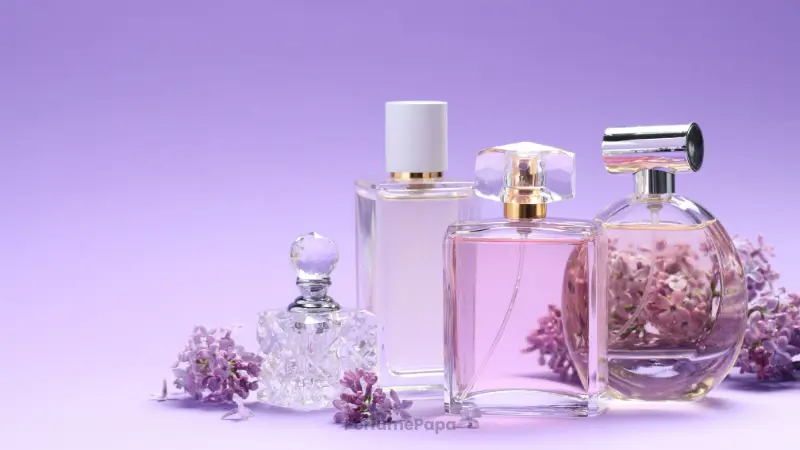
Beyond the Bottle: 5 Unexpected Drivers Reshaping the Luxury Perfume Market in 2026
Introduction: The Evolving Scent-scape of Luxury
For centuries, luxury perfumery has been a realm of art, mystique, and aspiration, defined by rare ingredients, exquisite craftsmanship, and iconic branding. It represented not merely a scent, but a statement, an identity, and a tradition. However, as we systematically analyze the intricate dynamics of global consumer behavior and technological advancement, it has become evident that the luxury perfume market is poised for a profound transformation. We are moving beyond the conventional narratives of bottle design and celebrity endorsements. The landscape of luxury fragrance in 2026 will be shaped by a confluence of unexpected, yet powerful, drivers that demand a strategic re-evaluation from brands and a fresh perspective from consumers.
Our in-depth industry analysis reveals a market that, while still valuing heritage, is increasingly influenced by forces ranging from artificial intelligence to a heightened global consciousness. These aren't incremental shifts; they are foundational changes that redefine value, authenticity, and the very essence of a luxury scent experience. Understanding these five drivers is not just an academic exercise; it is crucial for navigating the opportunities and challenges that lie ahead in this captivating sector.
Driver 1: The Hyper-Personalization Imperative and AI-Driven Scent Creation
The days of one-size-fits-all luxury are swiftly receding. Modern affluent consumers, especially younger demographics, crave uniqueness and bespoke experiences that reflect their individual identity. This powerful desire for hyper-personalization is revolutionizing how luxury perfumes are conceived, created, and consumed, with artificial intelligence emerging as a pivotal enabler.
From Mass Appeal to Bespoke Blends
Historically, luxury perfumery excelled at creating aspirational scents designed for broad appeal within an elite segment. Today, the focus is shifting dramatically. Consumers are no longer content with merely selecting a fragrance from a curated collection; they demand a scent that feels intrinsically 'theirs.' This imperative is driving brands towards offering increasingly customized options, from selecting specific notes to designing entirely new olfactive profiles. AI algorithms, leveraging vast databases of fragrance chemistry, consumer preferences, and trending ingredients, are making this level of personalization scalable and sophisticated. We are observing early examples of AI-powered platforms that can suggest scent combinations based on personality quizzes, lifestyle choices, or even desired emotional states, moving beyond simple product recommendations to co-creation.
The Role of Digital Diagnostics
The true potential of AI in luxury fragrance lies in its capacity for digital diagnostics. Imagine a system that analyzes not just your stated preferences, but also your skin's pH balance, genetic markers linked to scent perception, or even real-time mood data derived from wearable technology. While still nascent, the technological trajectory points towards a future where AI can synthesize this intricate personal data to formulate a truly bespoke fragrance. This isn't just about combining existing notes; it's about predicting how a scent will interact with an individual's unique biology and psychology, offering an unprecedented level of tailored luxury. We acknowledge the ethical considerations inherent in collecting and utilizing such deeply personal data, and believe transparency and robust data privacy protocols will be paramount for brands adopting these advanced capabilities.
Driver 2: Sustainability, Transparency, and the Rise of "Clean" Fragrance
Environmental consciousness and ethical sourcing are no longer niche concerns; they are fundamental expectations across all luxury sectors. The luxury perfume market, traditionally reliant on rare and often exotic natural ingredients, is undergoing a profound reassessment of its supply chains and environmental footprint. Consumers are demanding not just beautiful scents, but also a clear conscience.
Ethical Sourcing and Supply Chain Visibility
We have observed a significant rise in consumer scrutiny regarding the provenance of ingredients. From sandalwood harvested responsibly to ethically cultivated jasmine, the narrative around a luxury perfume increasingly includes its journey from plant to bottle. Brands are now expected to demonstrate transparency in their supply chains, providing verifiable proof of fair labor practices, sustainable cultivation methods, and biodiversity protection. This shift necessitates deeper collaborations with local communities, investing in sustainable agriculture, and implementing rigorous traceability systems. It's about ensuring that the pursuit of olfactory beauty does not come at the cost of ecological or social harm.
Eco-Conscious Packaging and Refill Culture
The environmental impact of packaging, particularly single-use components, is another critical area of focus. Luxury brands are moving beyond superficial greenwashing to embrace genuinely eco-conscious packaging solutions. This includes the widespread adoption of refillable bottles crafted from durable, high-quality materials, often accompanied by elegant refill pouches or cartridges. The refill culture is not just about reducing waste; it's about fostering a new form of brand loyalty and engagement, where the initial purchase is an investment in a reusable object of beauty. Furthermore, we are seeing innovation in biodegradable materials, recycled glass, and minimalist designs that prioritize environmental responsibility without compromising on the aesthetics and perceived value inherent in luxury. This commitment extends to the full lifecycle of the product, from production to disposal, reflecting a holistic approach to sustainability. Our analysis indicates that consumers are increasingly willing to pay a premium for brands demonstrating verifiable commitment to these principles. For example, a recent study by Harvard Business Review highlighted the growing importance of purpose-driven consumption, directly influencing purchasing decisions in the luxury segment.
Driver 3: The Sensory Convergence: Phygital Experiences and Immersive Retail
In an increasingly digital world, the challenge for luxury perfumery is to translate an inherently sensory and emotional product into engaging experiences. This is leading to a convergence of physical and digital realms, creating "phygital" retail environments that offer unparalleled immersion and brand storytelling.
Bridging the Digital-Physical Divide
The pandemic accelerated the adoption of digital tools, but luxury fragrance, with its reliance on the sense of smell, cannot exist purely online. Brands are mastering the art of bridging this divide. We are seeing innovative applications of Augmented Reality (AR) where consumers can virtually "try on" scents, explore ingredient stories through interactive visuals, or even visualize how a bottle might look on their vanity. Virtual reality (VR) offers even deeper immersion, transporting potential buyers to the fields where ingredients are harvested or into the perfumer's laboratory. These digital tools serve not as replacements for physical interaction, but as powerful pre-purchase engagement mechanisms, educating consumers and heightening anticipation for the in-person experience.
Experiential Boutiques and Scent Journeys
Complementing the digital advancements, physical retail spaces are transforming into multi-sensory destinations. The traditional perfume counter is being replaced by experiential boutiques designed to offer a complete "scent journey." This includes personalized consultations with expert "fragrance concierges," interactive scent bars, workshops on perfumery, and art installations that interpret a fragrance's narrative visually and audibly. The objective is to move beyond a transactional purchase to an emotional and educational engagement with the brand's universe. These immersive environments allow consumers to explore complex scent profiles in a relaxed setting, connecting on a deeper level with the artistry and heritage of luxury perfumery. The future of luxury fragrance retail is not just about selling a bottle; it's about selling an unforgettable, multi-sensory story.
Driver 4: Olfactory Wellness and Mood-Enhancing Fragrances
The growing global emphasis on holistic well-being has found a new frontier in luxury perfumery. Fragrance is increasingly being positioned not just as an adornment, but as a sophisticated tool for enhancing mood, reducing stress, and promoting mental clarity. This trend elevates perfume from a cosmetic to a wellness companion.
Fragrance as a Tool for Well-being
We have long understood the profound connection between scent and emotion, memory, and physiological responses. Luxury perfumers are now intentionally harnessing this power, moving beyond simply pleasant aromas to crafting "functional fragrances." These are designed with specific therapeutic intentions, incorporating ingredients known for their adaptogenic properties or their scientifically validated effects on the brain. Imagine a bespoke perfume formulated with notes chosen to promote relaxation before sleep, boost concentration during work, or invigorate the senses for an energetic start to the day. This shift sees luxury fragrance aligning with the broader wellness industry, offering consumers sophisticated tools for self-care and mental optimization.
The Scientific Validation of Scent
This trend is underpinned by a growing body of scientific research into neuro-olfaction – the study of how scents impact the brain. Luxury brands are increasingly collaborating with neuroscientists, aromatherapists, and medical professionals to validate the efficacy of their mood-enhancing formulations. This scientific rigor adds a layer of trustworthiness and expertise, moving beyond anecdotal evidence to verifiable claims. The integration of cutting-edge research allows brands to develop fragrances that are not only aesthetically beautiful but also physiologically beneficial, offering a unique value proposition in the luxury market. This evolution marks a significant departure from purely hedonistic consumption towards informed wellness choices, positioning luxury perfume as an integral component of a mindful lifestyle. A comprehensive report by Grand View Research highlights the increasing intersection of the wellness and luxury fragrance markets, projecting significant growth in this segment.
Driver 5: Geopolitical Shifts and the Emergence of New Luxury Hubs
While traditional luxury markets in North America and Western Europe remain significant, the global landscape of luxury consumption is undeniably shifting. Emerging economies, particularly in Asia-Pacific and the Middle East, are becoming pivotal drivers of growth, presenting both immense opportunities and unique challenges for luxury perfume brands.
Shifting Consumer Demographics
The burgeoning middle and affluent classes in regions like China, India, and the Gulf Cooperation Council (GCC) countries represent a vast, untapped consumer base with distinct preferences and cultural nuances. We are witnessing a demographic shift where younger, digitally native consumers in these regions are entering the luxury market earlier and with different expectations than their Western counterparts. Their purchasing power is growing exponentially, and their exposure to global trends via social media is fostering a sophisticated demand for luxury products. Understanding these diverse cultural contexts, traditional scent preferences, and societal values is critical for successful market penetration and long-term brand resonance.
The Localization of Global Brands
For luxury perfume brands, a one-size-fits-all global strategy is no longer viable. Success in these new luxury hubs hinges on effective localization, extending beyond mere translation of marketing materials. It involves tailoring product offerings to regional tastes (e.g., preference for specific floral notes or oud-based fragrances in the Middle East), adapting marketing campaigns to local cultural sensitivities, and establishing relevant distribution channels. This may even involve collaborating with local perfumers or artists to create collections that speak directly to regional heritage and aspirations. The ability to authentically integrate local narratives and aesthetics while maintaining a global brand identity will differentiate leading luxury perfume houses in the coming years. This strategic localization fosters a deeper connection with consumers, moving beyond a transactional relationship to one built on mutual respect and cultural understanding.
Comparing Traditional vs. Future Luxury Perfumery
To further illustrate the profound shifts occurring, we present a comparative analysis of traditional approaches versus the emerging paradigms in luxury perfumery:
| Parameter | Traditional Luxury Perfumery | Future Luxury Perfumery (2026) |
|---|---|---|
| Production Model | Mass production with limited editions; focus on exclusivity through scarcity. | Hybrid model: mass customization enabled by AI; bespoke on demand. |
| Consumer Focus | Aspirational appeal, status symbol; target demographic defined by wealth. | Personalized identity expression, experiential value; target defined by values and unique preferences. |
| Value Proposition | Heritage, craftsmanship, rarity of ingredients, brand prestige. | Authenticity, ethical sourcing, well-being benefits, personalized narrative, digital innovation. |
| Retail Experience | Department store counters, standalone boutiques; transactional. | Phygital integration (AR/VR), immersive brand spaces, experiential journeys; educational and emotional. |
| Sustainability Stance | Often an afterthought or limited to niche collections; focus on naturalness. | Core brand pillar: full supply chain transparency, eco-conscious packaging, refill programs, circular economy principles. |
Conclusion: Navigating the Future Scent-scape
The luxury perfume market in 2026 will be a dynamic, multi-faceted ecosystem, far removed from its conventional image. We have meticulously detailed five unexpected drivers—hyper-personalization, radical transparency in sustainability, phygital retail innovation, the integration of olfactory wellness, and strategic geopolitical shifts—that are collectively reshaping this exquisite sector. These forces are not isolated; they interact and amplify each other, creating a complex yet exhilarating landscape.
For brands, success will hinge on agility, a willingness to embrace technological innovation responsibly, and a profound commitment to ethical practices. It requires moving beyond the traditional marketing playbook to genuinely connect with an increasingly discerning and globally conscious consumer base. We believe that by understanding and strategically integrating these drivers, luxury perfume houses can not only adapt but also thrive, continuing to craft scents that enchant, inspire, and define the evolving essence of modern luxury.
Suggested Articles
 General
Beyond the Bottle: 5 Luxury Refillable Perfumes for 2026
Discover 5 jaw-dropping luxury refillable perfumes setting trends for 2026. Embrace sustainable elegance and reduce w...
Read Article arrow_forward General
Biotech Perfume: Personalized Scent Weapon for 2026
Discover how biotech perfume is revolutionizing personal fragrance. Learn about custom scents tailored to your unique...
Read Article arrow_forward General
Global Scent Forecast: Regional Fragrance Trends 2026
Explore the cutting-edge regional fragrance trends shaping the global scent landscape in 2026. Discover key notes, co...
Read Article arrow_forward General
Best Fragrance Subscription Boxes 2026
Discover the top fragrance subscription boxes of 2026, comparing Scentbird and Scentbox, and exploring alternatives f...
Read Article arrow_forward