

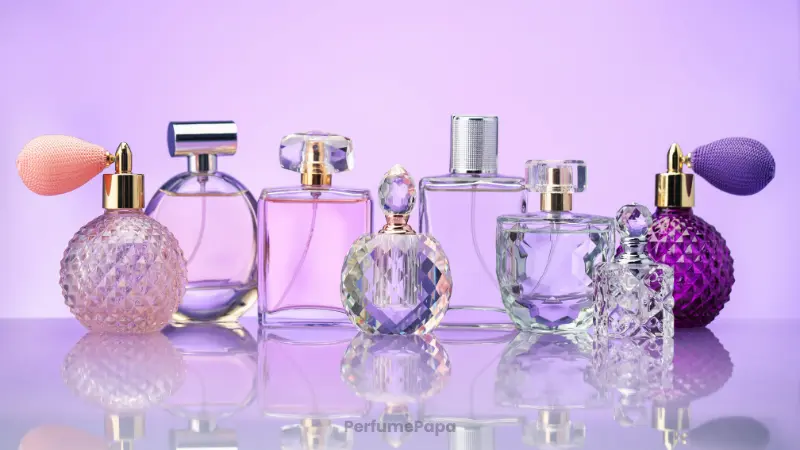
The Consumer Revolution: Shaping Future Fragrance Trends in 2026
The global fragrance market is in a perpetual state of evolution, driven by innovation, creativity, and, most significantly, the shifting desires and values of its consumers. As we cast our gaze towards 2026, it becomes clear that a profound ‘consumer revolution’ is underway, reshaping not just how fragrances are conceived and produced, but also how they are perceived, purchased, and integrated into daily life. This revolution is characterized by a demand for greater transparency, authenticity, personalization, and a deeper connection to personal well-being and environmental stewardship. For brands looking to thrive in this dynamic landscape, understanding and adapting to these fundamental shifts will be paramount.
The modern consumer is no longer a passive recipient of mass-market offerings. Instead, they are an informed, empowered, and often vocal participant in the brand narrative, wielding significant influence over industry direction. This article delves into the core tenets of this consumer-driven transformation, forecasting the key fragrance trends that will define 2026 and beyond, and offering strategic insights for navigating this exciting new era of perfumery. We will explore how consciousness, individuality, well-being, and digital immersion are not merely buzzwords, but the foundational pillars upon which the future of scent is being built.
The Rise of Conscious Consumerism: Sustainability and Ethics at the Forefront
One of the most powerful forces driving the fragrance revolution is the ascent of conscious consumerism. Today's buyers are increasingly discerning, seeking out brands that align with their ethical values and environmental concerns. This heightened awareness extends to every facet of a fragrance's lifecycle, from its raw materials to its packaging and disposal. Brands that demonstrate genuine commitment to sustainability and ethical practices will earn trust and loyalty, while those that fail to adapt risk falling behind.
Eco-Friendly Formulations and Packaging Innovations
In 2026, the demand for eco-friendly formulations will intensify. Consumers are actively seeking fragrances made with sustainably sourced, natural, and biodegradable ingredients. The emphasis will shift away from synthetic compounds derived from petrochemicals towards botanical extracts, upcycled materials, and innovative biotechnological ingredients that minimize ecological footprint. Fragrances will feature 'clean' labels, free from parabens, phthalates, and other potentially harmful chemicals, appealing to a health-conscious demographic. Furthermore, the industry will see a surge in water-based or alcohol-free formulations, offering gentler alternatives for sensitive skin and reducing environmental impact. Packaging, too, is undergoing a radical transformation. Beyond recyclable materials, brands are investing in refillable bottles, compostable packaging, and innovative designs that minimize waste. Lightweight materials, minimalist aesthetics, and circular economy principles will become standard, reflecting a holistic approach to environmental responsibility. Brands will also leverage their supply chains to ensure transparency, allowing consumers to trace the origins of their ingredients and verify ethical practices.
Ethical Sourcing and Supply Chain Transparency
Beyond environmental impact, ethical considerations play a crucial role. Consumers are increasingly concerned with fair labor practices, community support, and the welfare of farmers and harvesters involved in the fragrance supply chain. Transparency will be key, with brands expected to provide clear information about their sourcing practices, certifications, and social responsibility initiatives. This includes supporting local communities, ensuring fair wages, and preventing child labor. The movement towards 'farm-to-fragrance' will gain traction, where brands establish direct relationships with growers, ensuring both quality and ethical standards. This not only builds consumer trust but also fosters a more resilient and responsible industry. Fragrance houses will invest in robust auditing processes and communicate their efforts openly, allowing consumers to make informed choices that resonate with their values. Engaging with platforms that document such industry advancements and discussions, like the various Posts on industry trends, can provide deeper insights into these evolving practices.
Personalization and Individuality: The Quest for Unique Scent Signatures
The desire for self-expression and individuality has never been stronger. In 2026, consumers will move further away from mass-market anonymity, actively seeking fragrances that resonate with their unique identity, memories, and aspirations. This demand for personalization is driving innovation in scent creation, offering bespoke experiences that cater to individual preferences rather likely than broad demographics.
AI and Algorithmic Scent Creation
Artificial Intelligence (AI) and machine learning are revolutionizing the way fragrances are developed and discovered. Leveraging vast datasets of scent profiles, consumer preferences, and neuroscientific research, AI algorithms can predict new scent combinations, identify emerging trends, and even create personalized formulas based on an individual's specific input. Consumers might engage with AI-powered tools online, answering questions about their mood, preferences, and lifestyle, to receive a tailored scent recommendation or even a unique, custom-blended fragrance. This technology allows for unparalleled customization, moving beyond traditional olfactive families to create truly unique scent signatures. AI also streamlines the R&D process for perfumers, enabling faster iteration and discovery of novel ingredients and accords, pushing the boundaries of traditional perfumery.
Scent Wardrobing and Layering Experiences
The concept of a single signature scent is being replaced by 'scent wardrobing' – a curated collection of fragrances chosen to suit different moods, occasions, and seasons. Consumers are embracing the art of layering, combining multiple scents to create a unique and complex aroma that evolves throughout the day. Brands are responding by offering complementary fragrance collections, body products, and scent enhancers designed for harmonious layering. This encourages experimentation and empowers consumers to become their own perfumers, crafting an olfactory narrative that is uniquely theirs. Workshops, online tutorials, and interactive digital tools will guide consumers through the principles of layering, fostering a deeper engagement with the world of fragrance. The aim is not just to smell good, but to tell a story through scent, allowing for an ever-changing expression of self.
Wellness and Mood-Enhancing Fragrances: Scent as Self-Care
In an increasingly fast-paced and stressful world, the pursuit of well-being has become a top priority for consumers. Fragrance is no longer solely about adornment but is recognized for its profound impact on mood, emotions, and overall mental health. In 2026, wellness-focused fragrances will move from niche to mainstream, offering functional benefits beyond mere pleasure.
Aromatherapy and Neuro-Scent Science
The ancient wisdom of aromatherapy is merging with cutting-edge neuro-scent science. Brands are developing fragrances specifically designed to evoke particular emotional states: calming lavender and chamomile for stress relief, invigorating citrus and mint for focus and energy, or sensual notes for intimacy. Scientific research into how certain scent molecules interact with the brain's limbic system is informing new formulations, creating 'smart' fragrances that promise tangible psychological benefits. These aren't just pleasant smells; they are meticulously crafted compounds designed to enhance sleep, reduce anxiety, boost cognitive function, or improve mood. This scientific approach lends credibility and effectiveness, appealing to consumers who prioritize functional benefits alongside sensory enjoyment.
Fragrance as a Tool for Mindfulness and Self-Care
Fragrance is becoming an integral part of daily self-care rituals. Consumers are incorporating scents into their mindfulness practices, meditation, and evening routines to create a sense of calm and presence. Diffusers, scented candles, and room sprays are gaining popularity alongside personal fragrances, transforming living spaces into sanctuaries of well-being. Brands are developing collections specifically for these rituals, often accompanied by guided meditations or wellness practices. The act of applying a fragrance can become a moment of intentional pause, a brief escape from the demands of modern life. This shift reflects a broader societal trend towards prioritizing mental health and creating personal havens, where scent plays a vital, supportive role. For those keen to explore more about the evolving landscape of personal care and lifestyle products, a dedicated resource like PerfumePapa.online offers a window into these developments.
Digitalization and Experiential Marketing: Engaging the Modern Consumer
The digital realm continues to redefine consumer engagement, and the fragrance industry is embracing technology to create immersive and interactive experiences. While scent remains an inherently physical sensation, brands are finding innovative ways to bridge the gap between the virtual and the olfactory, capturing the attention of a digitally native generation.
Augmented Reality (AR) and Virtual Reality (VR) in Fragrance Retail
In 2026, AR and VR technologies will play an increasingly significant role in fragrance discovery and retail. Imagine using your smartphone to 'virtually try on' a fragrance, visualizing how its scent profile translates into different moods or occasions. VR experiences could transport consumers to the exotic locations where ingredients are sourced, offering a sensory journey that enhances understanding and appreciation of a scent's narrative. Virtual consultations with perfumers, interactive scent quizzes, and personalized recommendations powered by AR will become commonplace, making the online shopping experience more engaging and informative. These technologies help overcome the challenge of experiencing scent digitally, providing richer context and reducing the need for physical sampling, thereby aligning with sustainability goals.
The Metaverse and Digital Scent Experiences
The burgeoning metaverse presents a fascinating frontier for the fragrance industry. While direct olfactive transmission in virtual worlds is still nascent, brands are exploring ways to represent scent digitally, creating 'digital twins' of fragrances as NFTs (Non-Fungible Tokens) or developing virtual environments that evoke specific aromatic experiences. Consumers might purchase a digital fragrance for their avatar, or unlock exclusive virtual experiences tied to a physical perfume purchase. These ventures into the metaverse are about building brand presence in new digital spaces, engaging younger demographics, and pushing the boundaries of how we interact with scent. It's an exploration of conceptual fragrance, where the story and the digital ownership become as valuable as the physical product. Many brands, including those featured on platforms like Welcome to PerfumePapa.online, are already discussing their strategies for this emergent digital frontier.
Niche Dominance and Artisan Craftsmanship: The Allure of Exclusivity
While mass-market fragrances will always have their place, the consumer revolution is firmly propelling the growth of niche and artisan perfumery. Consumers are seeking authenticity, originality, and a story that resonates, often finding it in smaller, independent brands that prioritize artistry and unique formulations over mass appeal.
The Independent Perfumer Renaissance
The internet and social media have democratized the fragrance landscape, allowing independent perfumers to reach a global audience without the need for traditional retail channels. In 2026, this 'indie' movement will continue to flourish, offering consumers a vast array of unique and experimental scents. These perfumers often operate with a high degree of creative freedom, using rare or unconventional ingredients, and crafting fragrances with a strong artistic vision. Their direct connection with consumers, often through online communities and bespoke services, fosters a sense of exclusivity and personal connection that larger brands struggle to replicate. This renaissance celebrates the craft of perfumery, emphasizing quality ingredients, meticulous blending, and a distinct olfactive narrative.
Cultural and Narrative Storytelling Through Scent
Niche fragrances excel at storytelling. Each scent often comes with a rich narrative, drawing inspiration from history, travel, art, literature, or personal experiences. Consumers are increasingly drawn to fragrances that evoke specific emotions, memories, or cultural references, offering a deeper, more meaningful connection than a generic scent. Brands are leveraging evocative descriptions, artistic visuals, and collaborative projects with artists and creators to build a compelling world around their fragrances. This narrative approach transforms fragrance from a simple product into an experience, an heirloom, or a piece of wearable art. It's about buying into a story, a philosophy, or a piece of someone's passion, which adds significant perceived value and emotional resonance for the discerning consumer.
Accessibility and Inclusivity: Breaking Traditional Barriers
The consumer revolution also champions inclusivity and accessibility, challenging long-held norms and opening up the world of fragrance to a broader, more diverse audience. Traditional marketing stereotypes are being dismantled, paving the way for a more fluid and accepting approach to scent.
Genderless Fragrances and Beyond
The antiquated notion of 'masculine' and 'feminine' fragrances is rapidly dissolving. In 2026, genderless or 'gender-neutral' fragrances will be the norm, reflecting a societal shift towards fluidity and individual expression. Brands are moving away from marketing scents based on gender, instead focusing on the olfactive profile itself, allowing consumers to choose what resonates with them regardless of traditional classifications. This extends beyond gender to embrace all identities, creating a more inclusive and welcoming space within the fragrance community. It's about liberating scent from societal constraints and allowing it to be a pure form of personal expression, encouraging everyone to explore the full spectrum of olfactory possibilities.
Democratization of Luxury and Diverse Representation
While niche and luxury fragrances continue to thrive, there's also a growing demand for accessible luxury and a greater democratization of high-quality scents. This doesn't necessarily mean cheaper products, but rather brands that offer premium experiences without exclusionary pricing or inaccessible marketing. Furthermore, diversity in representation across advertising and brand narratives is crucial. Consumers expect to see themselves reflected in the brands they support, moving away from homogenous portrayals to embrace a global tapestry of faces, cultures, and body types. This commitment to inclusivity ensures that the magic of fragrance is available and appealing to everyone, fostering a more vibrant and representative industry.
The Future Landscape: 2026 and Beyond
The fragrance industry of 2026 will be a dynamic ecosystem, defined by a continuous dialogue between discerning consumers and innovative brands. The core drivers of this future will remain steadfast: a profound respect for the planet and its resources, a celebration of individual identity, a deep understanding of the connection between scent and well-being, and a seamless integration of digital innovation into the discovery and purchasing journey. Brands that authentically embody these values, offering transparency, ethical practices, and personalized experiences, will forge lasting connections with their audience.
The era of passive consumption is over. The future of fragrance lies in active engagement, co-creation, and a shared journey towards a more fragrant, mindful, and sustainable world. As consumers continue to raise their voices, the industry will respond with greater creativity, responsibility, and an unwavering commitment to the art and science of perfumery, ensuring that scent remains a powerful and cherished aspect of human experience for generations to come.
Conclusion: Embracing the Evolving Olfactory Horizon
The consumer revolution is not merely a passing trend but a fundamental recalibration of values that will define the fragrance industry's trajectory into 2026 and beyond. From the demand for ethical sourcing and sustainable formulations to the embrace of hyper-personalization and wellness-centric scents, every facet of perfumery is being re-evaluated through the lens of a conscious, empowered consumer. Brands that demonstrate agility, transparency, and a genuine commitment to these evolving expectations will not only survive but thrive. By understanding and anticipating these shifts, the industry can continue to craft scents that resonate deeply, enhancing lives while honoring our planet, and shaping an olfactory future that is as innovative as it is responsible.
Suggested Articles
 General
Best Office Perfume for Women in 2026: Professional & Subtle Scents
Discover the top professional and subtle perfumes for women in 2026 that perfectly balance elegance with office etiqu...
Read Article arrow_forward General
Best Tom Ford Cologne 2026: Every Scent Ranked Honestly
Discover the top Tom Ford colognes for 2026, honestly ranked and reviewed. Find your signature scent from this luxuri...
Read Article arrow_forward General
End Scent Regret: The 2026 AI Playbook for Finding Your EXACT Fragrance Match
Discover how artificial intelligence in 2026 will revolutionize your fragrance journey, eliminating scent regret by m...
Read Article arrow_forward
General
8 Bold Gender-Neutral Fragrances Dominating 2026
Discover the top 8 bold gender-neutral fragrances set to dominate 2026. Find your signature scent that breaks traditi...
Read Article arrow_forward