

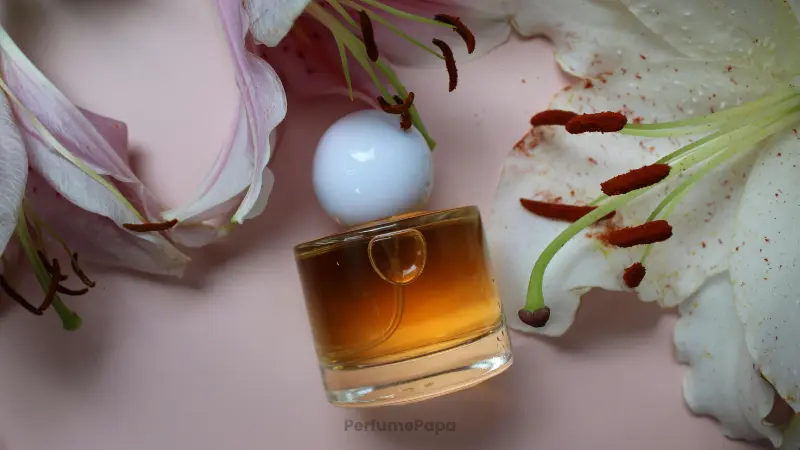
End Scent Regret: The 2026 AI Playbook for Finding Your EXACT Fragrance Match
For centuries, the quest for the perfect personal fragrance has been a deeply intimate, often frustrating, journey. The ephemeral nature of scent, combined with its profound connection to memory and emotion, makes its selection an art form rife with potential for what we colloquially term "scent regret." We have systematically analyzed this enduring challenge and project that by 2026, artificial intelligence (AI) will fundamentally transform how we discover, experience, and ultimately select our bespoke olfactory signatures. This playbook offers a deep dive into the AI-driven future of fragrance, promising an end to misguided purchases and ushering in an era of unparalleled personalization.
The Enduring Challenge of Fragrance Selection
The traditional approach to finding a fragrance is fraught with subjective pitfalls. A fleeting spritz on a paper strip, a quick sniff of a handful of options in a crowded department store, or relying on generic descriptions seldom leads to lasting satisfaction. The complexities extend far beyond the initial impression, evolving significantly with individual skin chemistry, environmental factors, and even mood.
The Subjectivity Trap: Beyond Top, Middle, and Base Notes
Fragrance composition is a sophisticated art, built upon intricate arrangements of top, middle (heart), and base notes. Top notes are the initial, volatile aromas; middle notes emerge as the top notes fade; and base notes form the enduring foundation. However, how these notes interact with an individual's unique biological makeup creates a subjective experience that standard descriptions cannot fully capture. A scent perceived as fresh and invigorating on one person might turn cloying or metallic on another. This variability is a primary driver of scent regret, making it challenging for consumers to predict how a fragrance will truly unfold and settle on their skin over time.
The Limitations of Traditional Retail Experiences
Current retail models, while attempting to guide consumers, often fall short. Sales associates, however knowledgeable, rely on generalized product training and limited interaction to make recommendations. The sheer volume of available fragrances, coupled with the "olfactory fatigue" that quickly sets in after smelling just a few, further complicates the decision-making process. The inability to experience a fragrance in various real-world scenarios – from a high-stress workday to a relaxed evening out – means that many purchases are made based on an incomplete and artificial impression.
Enter Artificial Intelligence: A Paradigm Shift for Olfactory Personalization
The year 2026 marks a pivotal moment where AI transitions from a theoretical concept to a practical, indispensable tool in the fragrance industry. We anticipate that machine learning algorithms, leveraging vast datasets, will move beyond simple recommendation engines to become sophisticated olfactory navigators, capable of understanding and predicting personal scent preferences with unprecedented accuracy.
How AI Deconstructs the Olfactory Landscape
AI's power lies in its ability to process and find patterns in data far beyond human capacity. In the context of fragrance, this means analyzing chemical compositions at a molecular level, correlating specific compounds with perceived notes, emotional responses, and even physiological data. Advanced algorithms can ingest millions of data points, including existing fragrance formulas, consumer reviews, sales data, demographic information, and even atmospheric conditions. This comprehensive data allows AI to deconstruct complex scent profiles into their constituent components, understanding not just "what" a fragrance smells like, but "why" it elicits certain reactions in different individuals.
For instance, techniques such as gas chromatography-mass spectrometry (GC-MS) provide detailed chemical breakdowns of fragrances. When this data is fed into machine learning models alongside user feedback, the AI begins to learn the intricate relationships between chemical structure and sensory perception. This allows for the creation of predictive models that can forecast how a new combination of aromachemicals might be perceived by a specific user group or even an individual.
The Role of Big Data in Scent Matching
Big data is the fuel for AI's transformative power in fragrance. This includes anonymized purchasing histories, scent preferences indicated through interactive quizzes, lifestyle surveys, geographical data, and even biometric inputs from wearable devices that monitor factors like body temperature fluctuations or stress levels. By analyzing these diverse data streams, AI can construct a remarkably precise 'olfactory fingerprint' for each individual. This fingerprint isn't just about preferred notes; it encompasses the subtle nuances of how scents evolve on skin, their longevity, sillage (the trail left by the fragrance), and their psychological impact. A comprehensive understanding of big data's impact on consumer personalization can be further explored through research from institutions like Harvard Business Review, which frequently highlights how data-driven insights are reshaping industries.
The 2026 AI Playbook: A Step-by-Step Guide to Your Perfect Scent
By 2026, the process of finding your signature scent will be an intuitive, deeply personalized experience. We envision a multi-stage AI playbook that guides consumers from initial profiling to bespoke creation.
Step 1: Comprehensive Olfactory Profiling
The journey begins with an advanced profiling system. Instead of generic questions, users will engage with interactive AI interfaces designed to gather a holistic view of their preferences and lifestyle. This might involve:
- Sensory Quizzes: AI-powered questionnaires that adapt based on user responses, presenting abstract images, colors, sounds, or even textures to deduce underlying preferences for certain fragrance families (e.g., woody, floral, oriental, fresh).
- Lifestyle Integration: Analyzing data points like climate, profession, social habits, preferred clothing styles, and even mood fluctuations (via wearable tech integration, with explicit user consent).
- Genetic & Skin Chemistry Analysis: While still emerging, the potential exists for AI to factor in individual genetic predispositions to certain odors or skin pH levels, which significantly impact how a fragrance develops.
- Historical Data Learning: Uploading lists of past fragrances loved or disliked, enabling the AI to learn from successes and failures.
Step 2: Predictive Scent Alchemy and Recommendation Engines
Once a robust olfactory profile is established, AI's predictive capabilities come to the forefront. Sophisticated recommendation engines will move beyond simple similarity matching. They will leverage neuroaesthetics – the study of how the brain responds to beauty – to predict not just what scents you might like, but which ones will evoke specific emotions or enhance certain aspects of your persona. AI could recommend existing fragrances with extreme precision or, more excitingly, generate novel scent combinations tailored specifically to your profile.
Step 3: Virtual Try-Ons and Augmented Reality for Fragrance
The physical limitation of trying fragrances in-store will be circumvented by innovative technologies. We foresee the widespread adoption of:
- Personalized Scent Diffusers: Desktop or portable devices that can precisely emit micro-bursts of specific aromachemicals or fragrance blends, allowing users to "virtually" sample a recommended scent in their home environment.
- Augmented Reality (AR) Overlays: AR apps that allow users to visualize how a particular fragrance bottle would look in their space, or even how different scents are associated with specific colors or textures in their environment, creating a multi-sensory preview.
- Scent Simulation Pods: Dedicated retail spaces equipped with advanced environmental controls and scent projection systems, enabling an immersive and controlled virtual try-on experience.
Step 4: The Bespoke Fragrance Creation Pipeline
For the ultimate personalization, AI will facilitate the creation of truly bespoke fragrances. Based on the deep olfactory profile, AI can generate unique fragrance formulas, specifying the exact ratios and types of essential oils and aromachemicals. This could lead to:
- AI-Assisted Perfumers: Human perfumers collaborating with AI to refine and bring to life unique, AI-generated scent concepts, blending artistic intuition with data-driven precision.
- Automated Blending Systems: Robotic systems capable of precisely dispensing and mixing raw fragrance materials according to AI-generated formulas, enabling on-demand creation of highly personalized perfumes.
The Ethical and Privacy Considerations of AI Fragrance
As AI delves deeper into personal preferences and even biometric data, ethical considerations surrounding data privacy, algorithmic bias, and the potential erosion of the human element in artistic creation become paramount. We advocate for a responsible deployment of these technologies.
Safeguarding Personal Olfactory Data
The collection of sensitive personal data – from lifestyle habits to potential genetic markers – requires robust ethical frameworks. Companies leveraging AI for fragrance personalization must prioritize transparency, informed consent, and stringent data security measures. Anonymization and aggregation of data will be crucial, ensuring that individual profiles are protected while still allowing the AI to learn and evolve. Regulations akin to GDPR (General Data Protection Regulation) will likely expand to specifically address sensory and behavioral data.
Balancing Algorithmic Efficiency with Human Creativity
While AI offers unparalleled efficiency and precision, the artistic and emotional core of perfumery remains a human endeavor. The goal should not be to replace perfumers but to empower them. AI can manage the vast data, optimize formulas, and predict consumer preferences, freeing perfumers to focus on conceptual innovation, artistry, and the nuanced refinement that only human intuition can provide. The future lies in a symbiotic relationship, where AI serves as a powerful co-creator rather than a sole originator.
Comparing Traditional vs. AI-Driven Fragrance Selection
To fully grasp the transformative potential of AI in fragrance, a direct comparison with traditional methods is illuminating:
| Feature | Traditional Fragrance Selection | AI-Driven Fragrance Selection (2026) |
|---|---|---|
| Discovery Process | In-store sampling, brand loyalty, word-of-mouth, limited testing conditions. | Personalized olfactory profiling (quizzes, lifestyle analysis, biometric data), predictive recommendation engines, virtual try-ons. |
| Personalization Level | Low to moderate; relies on generic categories and broad appeal. | High to bespoke; tailored to individual skin chemistry, mood, lifestyle, and preferences at a molecular level. |
| Risk of Scent Regret | High; subjective impressions often don't match long-term wear or personal evolution. | Significantly reduced; data-driven predictions enhance satisfaction and reduce impulse buys. |
| Time & Effort | Can be time-consuming, requires multiple store visits and repeated testing. | Efficient; profiling can be done digitally, recommendations are precise, and virtual testing is convenient. |
| Innovation & Customization | Limited to mass-produced lines; bespoke options are expensive and exclusive. | Enables mass customization and truly bespoke fragrance creation at accessible price points, AI-assisted perfumery. |
| Data Utilized | Sales data, demographic trends, marketing insights. | Chemical composition, physiological responses, user feedback, lifestyle data, genetic markers, environmental factors. A detailed understanding of how data shapes the future is available from institutions like the World Economic Forum. |
The Future Beyond 2026: What's Next for AI in Perfumery?
While 2026 represents a significant milestone, the evolution of AI in fragrance will not stop there. We foresee continued advancements leading to even more sophisticated experiences:
- Real-Time Scent Adaptation: Fragrances that subtly adjust their profile throughout the day based on changes in body chemistry, environmental factors, or even detected emotional states, delivered via smart patches or miniature wearable diffusers.
- Therapeutic & Wellness Scents: AI-designed fragrances explicitly formulated to enhance well-being, improve focus, reduce stress, or aid sleep, integrating principles of aromatherapy with neuro-olfactory science.
- Neuro-Olfactory Interfaces: Direct brain-computer interfaces (BCIs) that interpret neural signals related to scent preference, allowing for a seamless, even subconscious, interaction with fragrance creation.
- Sustainable Scent Creation: AI optimizing the use of raw materials, identifying sustainable alternatives, and minimizing waste in fragrance production, contributing to a more eco-conscious industry.
Conclusion
The era of "scent regret" is rapidly approaching its end. By 2026, artificial intelligence will have matured into an indispensable partner in our personal fragrance journeys, offering an unprecedented level of personalization, precision, and satisfaction. We are moving from a world of trial-and-error to one of data-driven discovery, where our unique olfactory signatures can be perfectly matched or even expertly crafted. This AI playbook for fragrance is not merely about finding a perfume; it's about redefining our relationship with scent, transforming it into a deeply intuitive and perfectly tailored extension of ourselves.
Suggested Articles
 General
The Future of Fragrance: Top 7 Scent Trends Shaping 2026
Explore the seven groundbreaking fragrance trends poised to redefine the scent industry by 2026, from sustainable sou...
Read Article arrow_forward General
Decoding Desire: The 5 Hidden Truths of the Luxury Perfume Market in 2026
Dive into the exclusive world of high-end fragrances. This article reveals five critical, often unseen, factors and c...
Read Article arrow_forward General
Best Oriental Perfumes for Women: Warm, Sexy & Unforgettable
Discover the captivating world of oriental fragrances for women. This guide unveils the top warm, spicy, and resinous...
Read Article arrow_forward
General
Biotech Perfume: Personalized Scent Weapon for 2026
Discover how biotech perfume is revolutionizing personal fragrance. Learn about custom scents tailored to your unique...
Read Article arrow_forward