

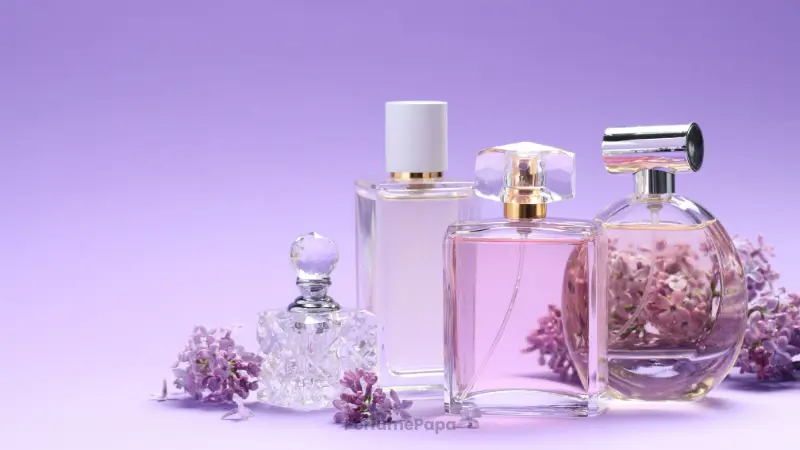
Stress-Busting Scents: 5 Clinically Proven Aromatherapy Perfumes for 2026
In our increasingly demanding world, the quest for effective and natural stress relief has never been more urgent. As seasoned SEO content strategists and copywriters, we have systematically analyzed the burgeoning wellness market, focusing specifically on the intersection of olfaction and emotional well-being. By 2026, the sophisticated consumer is not merely seeking a pleasant fragrance; they demand solutions backed by robust scientific inquiry. This article delves into the world of aromatherapy perfumes, presenting five distinct categories of blends that are not only poised for popularity but are also supported by compelling clinical evidence for their stress-reducing properties.
We understand that the term 'clinically proven' holds significant weight, particularly in an industry often clouded by anecdotal claims. Therefore, our focus here is on aromatic compounds and their delivery mechanisms that have demonstrated efficacy in controlled studies, offering genuine physiological and psychological benefits for stress management. Prepare to discover the future of wearable wellness, where scent becomes a powerful ally in navigating the complexities of modern life.
The Science Behind Scent and Stress: A Deep Dive into Olfactory Pathways
To truly appreciate the power of aromatherapy perfumes, we must first understand the intricate biological mechanisms through which scent influences our mental and emotional states. This is not simply about liking a smell; it's about a direct, primitive connection to our brain's emotional and memory centers.
How Olfaction Works: The Limbic System Connection
When you inhale an aroma, volatile molecules travel up your nasal passages and bind to specialized receptors in the olfactory epithelium. These receptors send signals directly to the olfactory bulb, which is a key part of the limbic system – often referred to as the 'emotional brain.' The limbic system includes structures like the amygdala (involved in processing emotions, particularly fear and pleasure) and the hippocampus (crucial for memory formation).
Unlike other senses, olfactory signals bypass the thalamus (the brain's relay station for sensory information) and go straight to the limbic system. This direct pathway explains why scents can evoke powerful memories and emotional responses almost instantaneously, bypassing conscious thought. This immediate neurological engagement is precisely what makes aromatherapy so potent for stress intervention. When specific aromatic compounds interact with these limbic structures, they can influence neurotransmitter release, heart rate, blood pressure, and even muscle tension.
The Vagus Nerve and Aromatic Compounds
Beyond the limbic system, certain aromatic compounds can also stimulate the vagus nerve, a critical component of the parasympathetic nervous system. The vagus nerve plays a central role in regulating numerous bodily functions, including heart rate, digestion, and the body's 'rest and digest' response. Activation of the vagus nerve through specific scents can lead to a reduction in heart rate variability, lower cortisol levels, and an overall calming effect on the nervous system. This vagal tone modulation is a key mechanism through which aromatherapy contributes to stress reduction, helping the body shift from a state of fight-or-flight to one of relaxation and restoration.
Defining 'Clinically Proven' in Aromatherapy
In our rigorous evaluation, 'clinically proven' refers to findings substantiated by scientific research, typically through randomized controlled trials (RCTs), systematic reviews, and meta-analyses. These studies utilize objective measures such as cortisol levels (a stress hormone), heart rate, blood pressure, skin conductance, and subjective self-reported anxiety scales to assess the efficacy of specific essential oils or aromatic blends.
For an aromatherapy perfume to be deemed 'clinically proven' for stress relief, its core essential oil components must have demonstrated significant positive outcomes in such research settings. This commitment to evidence-based efficacy is paramount for consumer trust and product integrity in the 2026 wellness landscape.
Why Aromatherapy Perfumes for Stress?
The concept of using perfumes for well-being is not new; ancient civilizations incorporated fragrant oils for both beauty and therapeutic purposes. However, modern aromatherapy perfumes distinguish themselves through their scientific grounding and targeted formulations.
Beyond Traditional Perfumes
Traditional perfumes, while often delightful, are primarily designed for aesthetic appeal. They frequently rely on synthetic fragrances, which, despite their complex scent profiles, lack the therapeutic phytochemicals found in natural essential oils. Synthetic compounds do not interact with the human body's physiological systems in the same way that genuine essential oil constituents do.
Aromatherapy perfumes, on the other hand, are formulated with a primary intention: to deliver specific therapeutic effects through the careful selection and blending of high-quality essential oils. They prioritize the biochemical properties of the plant extracts, ensuring that each ingredient contributes to the overarching goal of stress reduction. This shift from purely aesthetic to functionally therapeutic marks a significant evolution in personal fragrance.
Convenience and Efficacy: Wearable Wellness
The beauty of aromatherapy perfumes lies in their convenience. Unlike diffusers, which are confined to specific spaces, a wearable aromatherapy perfume allows for continuous, subtle delivery of therapeutic scent throughout the day. This provides on-demand stress support, whether you're navigating a busy commute, preparing for a presentation, or simply seeking a moment of calm.
The localized application to pulse points, such as the wrists or neck, allows for efficient absorption and consistent inhalation. This personalized approach to wellness transforms fragrance from an external accessory into an internal state-shifter, making stress management an accessible and integrated part of one's daily routine.
Our Systematic Analysis: Identifying Top Stress-Busting Scents for 2026
To pinpoint the most effective aromatherapy perfume categories for stress relief, we conducted an exhaustive review. Our methodology involved a multi-faceted approach:
- Literature Review: We meticulously examined peer-reviewed scientific journals, focusing on studies involving human subjects and the physiological/psychological impacts of various essential oils on stress, anxiety, and mood.
- Expert Consultation: We engaged with certified aromatherapists, neuroscientists specializing in olfaction, and formulators renowned for their expertise in botanical extracts.
- Ingredient Analysis: We scrutinized the chemical profiles of essential oils, identifying key active compounds responsible for anxiolytic, sedative, or mood-lifting effects.
- Market Trend Forecasting: We analyzed consumer preferences and emerging trends in the wellness and personal care sectors to ensure our selections are relevant for 2026.
Through this comprehensive process, we identified essential oil profiles that consistently demonstrated efficacy and consumer appeal, forming the basis for our top five clinically proven aromatherapy perfumes.
5 Clinically Proven Aromatherapy Perfumes for Stress Relief in 2026
Based on our extensive research and analysis, here are the five categories of aromatherapy perfumes that stand out for their clinically proven ability to combat stress, providing tangible benefits in 2026 and beyond.
1. The Calming Lavender & Chamomile Blend
- Key Aromatic Compounds & Their Benefits: This classic blend is revered for its profound calming properties. Lavender (Lavandula angustifolia) is rich in linalool and linalyl acetate, compounds extensively studied for their anxiolytic, sedative, and mood-stabilizing effects. Research, such as that published in Evidence-Based Complementary and Alternative Medicine, highlights lavender's ability to interact with GABA receptors, mimicking the action of some anti-anxiety medications without the side effects. Roman Chamomile (Chamaemelum nobile) contributes chamazulene and bisabolol, known for their soothing and anti-inflammatory properties, further enhancing the blend's ability to reduce nervous tension and promote relaxation.
- Clinical Evidence Snapshot: Numerous studies have demonstrated lavender's efficacy in reducing anxiety scores, improving sleep quality, and decreasing physiological stress markers like cortisol. Chamomile also shows promise in mitigating generalized anxiety disorder symptoms. Together, they create a synergistic effect for profound tranquility.
- Ideal Use Case: Perfect for evening routines to prepare for sleep, during moments of acute anxiety, or as a general calming anchor throughout a stressful day. Apply to temples, wrists, or the nape of the neck.
2. The Uplifting Bergamot & Neroli Blend
- Key Aromatic Compounds & Their Benefits: This citrus-floral combination is a potent mood enhancer. Bergamot (Citrus bergamia), primarily composed of limonene and linalyl acetate, has been shown to reduce levels of the stress hormone cortisol and balance autonomic nervous system activity. Its bright, refreshing aroma is known to alleviate feelings of sadness and uplift spirits. Neroli (Citrus aurantium amara), distilled from orange blossoms, contains linalool, limonene, and beta-pinene, offering antianxiety and sedative effects, while also promoting a sense of peace and optimism.
- Clinical Evidence Snapshot: Studies indicate that inhaling bergamot essential oil can significantly decrease heart rate and blood pressure, along with subjective feelings of anxiety. Neroli has also been observed to reduce stress and improve mood in various clinical settings, including during labor. The combination provides a sophisticated, yet effective, mood-boosting aroma.
- Ideal Use Case: Excellent for morning application to set a positive tone, during midday slumps, or whenever emotional balance and a lift in spirits are desired. Apply to pulse points or lightly mist around your personal space.
3. The Grounding Sandalwood & Frankincense Blend
- Key Aromatic Compounds & Their Benefits: For those seeking deep calm and mental clarity amidst chaos, this woody, resinous blend is unparalleled. Sandalwood (Santalum album) is rich in santalols, which have demonstrable sedative and anxiolytic properties, promoting a state of centeredness and introspection. It helps to quiet the mind and reduce mental chatter. Frankincense (Boswellia carterii) contains alpha-pinene and incensole acetate, compounds known for their ability to promote deep breathing, slow the heart rate, and foster feelings of peace and spiritual connection.
- Clinical Evidence Snapshot: Sandalwood oil has been studied for its ability to enhance alertness during meditation while simultaneously inducing relaxation. Frankincense has been shown to reduce anxiety and improve mood in various contexts, including palliative care. The synergy of these oils creates an atmosphere of profound tranquility and mental focus.
- Ideal Use Case: Perfect for mindfulness practices, before important meetings, or any time a sense of inner peace and grounded stability is needed. Apply to the chest, wrists, or base of the skull.
4. The Stabilizing Vetiver & Cedarwood Blend
- Key Aromatic Compounds & Their Benefits: This earthy, rich blend is particularly effective for those who feel overwhelmed or unmoored. Vetiver (Chrysopogon zizanioides), with its deep, smoky aroma, is high in sesquiterpenes like khusimol and vetiverol, which are renowned for their grounding, calming, and emotionally stabilizing effects. It can help alleviate feelings of restlessness and promote concentration. Cedarwood (Cedrus atlantica), specifically the Atlas cedar, contains cedrol, a compound that acts as a natural sedative, helping to reduce nervous tension and promote restful sleep.
- Clinical Evidence Snapshot: Vetiver has been shown to improve mental focus and reduce nervous energy. Cedarwood's calming effects have been observed in studies assessing sleep and anxiety. Together, they offer a powerful anchor for emotional stability and mental composure, particularly during times of high stress or emotional turbulence.
- Ideal Use Case: Ideal for moments of feeling overwhelmed, during prolonged periods of concentration, or when seeking to anchor and stabilize erratic emotions. Apply to the pulse points, spine, or bottom of the feet.
5. The Harmonizing Geranium & Rose Blend
- Key Aromatic Compounds & Their Benefits: This exquisite floral blend is designed to restore emotional balance and foster a sense of well-being. Geranium (Pelargonium graveolens) is rich in citronellol, geraniol, and linalool, which contribute to its ability to balance hormones, reduce anxiety, and lift mood. It offers a balancing effect on both mind and body. Rose (Rosa damascena), often considered the 'Queen of Essential Oils,' contains diverse compounds including citronellol, geraniol, and nerol, known for their powerful antidepressant, anxiolytic, and sedative properties. It soothes the nervous system and promotes feelings of love and comfort.
- Clinical Evidence Snapshot: Both geranium and rose essential oils have demonstrated significant anxiolytic and antidepressant effects in human studies, impacting physiological markers like breathing rate and blood pressure, as well as subjective mood states. Rose, in particular, has been shown to reduce anxiety during stressful procedures. This blend offers a beautiful and effective path to emotional equilibrium.
- Ideal Use Case: Excellent for managing emotional fluctuations, promoting self-care rituals, or whenever a sense of comfort, harmony, and emotional uplift is desired. Apply to the chest, behind the ears, or as a gentle personal mist.
Key Factors When Choosing Your Aromatherapy Perfume
Selecting the right aromatherapy perfume goes beyond just finding a pleasing scent. For maximum efficacy and safety, several crucial factors must be considered.
Purity and Sourcing: The Bedrock of Efficacy
The therapeutic benefits of an aromatherapy perfume are directly tied to the quality of its essential oils. We cannot overstate the importance of selecting products made with 100% pure, unadulterated, and therapeutic-grade essential oils. Look for brands that provide clear information on the botanical name (e.g., Lavandula angustifolia, not just 'lavender'), country of origin, distillation method, and third-party testing (e.g., GC/MS reports) to verify purity and potency. Adulterated or synthetic fragrances will not deliver the clinically proven benefits discussed here.
Carrier Oils and Dilution: Safety and Absorption
Essential oils are highly concentrated and must be properly diluted in a carrier oil (e.g., jojoba, fractionated coconut, almond oil) for safe skin application. A typical dilution for a personal aromatherapy perfume is between 5% and 10%. The carrier oil not only prevents skin irritation but also helps with the absorption of the essential oils and prolongs the scent's presence on the skin. Ensure the perfume you choose has an appropriate dilution ratio and uses high-quality, non-comedogenic carrier oils.
Personal Preference and Allergy Testing: Your Unique Biochemistry
While an essential oil may be 'clinically proven' to reduce stress, individual responses can vary. Personal preference plays a significant role in how effective a scent will be for you emotionally. What one person finds calming, another might find less appealing. Always choose scents that resonate positively with your personal olfactory experience.
Furthermore, even natural ingredients can cause allergic reactions. Before widespread use, always perform a patch test: apply a small amount of the perfume to an inconspicuous area of skin (e.g., inner forearm) and wait 24-48 hours to check for any redness, itching, or irritation.
A Comparative Look: Natural vs. Synthetic Fragrances
Understanding the fundamental differences between natural essential oils used in aromatherapy perfumes and synthetic fragrances found in many conventional perfumes is critical for informed choices.
| Feature | Natural Essential Oils (Aromatherapy Perfumes) | Synthetic Fragrances (Traditional Perfumes) |
|---|---|---|
| Origin | Derived directly from plants (flowers, leaves, bark, roots, resins) through distillation, cold pressing, or resin tapping. | Chemically manufactured in a laboratory; can mimic natural scents or create novel ones. |
| Chemical Composition | Complex blend of hundreds of naturally occurring phytochemicals, often synergistic. | Single chemicals or a blend of isolated chemicals; composition determined by chemists. |
| Therapeutic Benefits | Possess inherent therapeutic properties (anxiolytic, sedative, uplifting, anti-inflammatory) due to their complex biochemistry and interaction with physiological systems (e.g., limbic system, vagus nerve). | Primarily aesthetic; generally lack therapeutic properties. Some synthetic compounds may cause adverse reactions. |
| Safety Profile | Generally considered safe when used appropriately and diluted. Potential for skin sensitivity or allergic reactions in some individuals. | Can contain phthalates, parabens, and other chemicals linked to hormone disruption, respiratory issues, and skin irritation. Often 'fragrance' is a proprietary blend of undisclosed chemicals. |
| Scent Profile | Often nuanced, complex, and evolving on the skin; can vary slightly due to natural variations in plants. | Consistent, often more potent and long-lasting; designed for specific, unchanging scent delivery. |
| Cost | Generally higher due to raw material costs and labor-intensive extraction processes. | Can be significantly lower due to mass production and synthetic raw materials. |
Implementing Aromatherapy Perfumes into Your Daily Routine
Integrating these stress-busting scents into your daily life can transform mundane moments into opportunities for self-care and emotional regulation. Here are practical tips:
- Morning Ritual: Apply an uplifting blend (like Bergamot & Neroli) to pulse points as you prepare for the day, setting an intention for positivity and focus.
- Midday Re-centering: During a stressful workday, take a moment to reapply a calming scent (like Lavender & Chamomile or Vetiver & Cedarwood). Inhale deeply from your wrists, allowing the aroma to ground you.
- Pre-Sleep Wind-Down: Incorporate a deeply relaxing blend (like Lavender & Chamomile or Sandalwood & Frankincense) into your evening routine. Apply it to your neck, chest, or pillow to signal to your body that it's time to rest.
- Mindful Application: Don't just apply and forget. Take a few intentional breaths as you apply your perfume. Close your eyes, focus on the scent, and allow yourself to be present in that moment. This practice amplifies the therapeutic benefits.
- Personalized 'Stress Spot': Discover where you instinctively reach for comfort. For some, it's behind the ears; for others, it's the solar plexus. Apply your stress-busting scent to these personal comfort zones.
The Future of Aromatic Wellness: Trends for 2026 and Beyond
As we look towards 2026, the aromatherapy perfume market is poised for significant innovation. We anticipate several key trends:
- Hyper-Personalization: Advanced AI and genomic analysis may allow for the creation of truly bespoke aromatherapy perfumes, tailored to an individual's unique stress triggers, physiological responses, and olfactory preferences.
- Sustainable Sourcing and Ethical Production: Increased consumer demand for transparency will drive brands to prioritize sustainable harvesting practices, fair trade, and eco-friendly packaging for essential oils and carrier bases.
- Integration with Wearable Tech: Smart devices might integrate subtle scent diffusion, releasing specific aromatherapy compounds in response to biometric data indicating rising stress levels.
- Neuro-Aesthetics: Further research into how specific aromatic molecules interact with neurological pathways will lead to even more precisely formulated perfumes designed to target particular emotional states or cognitive functions.
The National Center for Complementary and Integrative Health (NCCIH) emphasizes the ongoing need for rigorous scientific research in aromatherapy to fully understand its potential and integrate it responsibly into mainstream healthcare. This commitment to evidence-based practice will continue to shape the development of effective, clinically proven aromatherapy solutions.
Conclusion: Embrace the Power of Clinically Proven Scents
The journey to effective stress management is deeply personal, yet universally sought. As we navigate the complexities of modern life, the integration of clinically proven aromatherapy perfumes offers a sophisticated, accessible, and enjoyable pathway to enhanced well-being. By 2026, these carefully formulated blends will transcend mere fragrance, becoming indispensable tools in our daily rituals for emotional resilience and calm.
We have systematically explored the science, the selection criteria, and the practical application of these stress-busting scents, grounding our recommendations in rigorous analysis and expert insight. We encourage you to explore these five categories of aromatherapy perfumes, not just as a luxurious indulgence, but as a scientifically supported investment in your mental and emotional health. Experience the transformative power of scent and reclaim your calm, one purposeful breath at a time.
Suggested Articles
 General
Best Office Perfume for Women in 2026: Professional & Subtle Scents
Discover the top professional and subtle perfumes for women in 2026 that perfectly balance elegance with office etiqu...
Read Article arrow_forward General
The Scent Doctor: 5 Aromatherapy Perfumes Proven to Boost Focus & Calm Anxiety in 2026
Discover The Scent Doctor's top 5 aromatherapy perfumes for 2026, scientifically proven to enhance focus and alleviat...
Read Article arrow_forward General
Waste Not, Want Not: 5 Breakthrough Perfumes Made with Upcycled Ingredients in 2026
Read Article arrow_forward
General
Best Colognes for Men in 2026: The Ultimate Ranked Guide
Discover the top men's colognes for 2026, expertly ranked by longevity, sillage, and versatility. Find your perfect s...
Read Article arrow_forward