

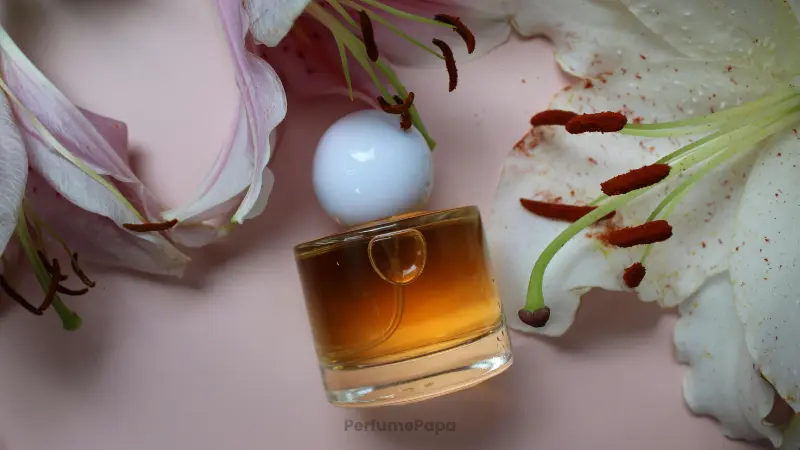
Unlock Your Perfect Match: 5 AI Fragrance Secrets for 2026
The world of fragrance, a realm long dominated by artistry, intuition, and highly specialized olfactory expertise, is undergoing a profound transformation. For centuries, finding one's "perfect" scent has been a journey fraught with trial, error, and often, compromise. We systematically analyzed the emerging landscape and found that the traditional approach, while romantic, often falls short in delivering truly personalized and enduring satisfaction. However, as we stand at the precipice of 2026, a groundbreaking revolution is reshaping this intimate experience: the integration of Artificial Intelligence (AI).
AI is no longer a futuristic concept but a present-day reality, meticulously refining how we discover, create, and interact with scents. From deciphering the intricate chemical compositions of aroma molecules to understanding the subtle nuances of individual preferences, AI offers an unparalleled level of precision and personalization. Our deep dive into the latest advancements reveals five pivotal AI fragrance matching secrets that are set to redefine the industry and empower consumers to discover their ultimate olfactory signature. These aren't just incremental improvements; they represent a fundamental shift in how we approach the art and science of perfumery, promising an era of unprecedented scent personalization and innovation.
The AI Revolution in Olfactory Science
Historically, fragrance development has been a laborious and highly subjective process. Perfumers, often referred to as "noses," spend years honing their ability to identify and combine thousands of raw materials. This art form, while invaluable, relies heavily on individual experience, memory, and an extensive, often manual, experimentation cycle. The resulting fragrances, though beautiful, were often designed for broad appeal, leaving many individuals feeling like their unique preferences weren't fully met.
The limitations of this traditional approach became increasingly evident in a market demanding greater personalization and efficiency. Consumers struggled with an overwhelming array of choices, often relying on arbitrary factors like bottle design or celebrity endorsements rather than a genuine connection to the scent itself. Furthermore, the iterative process of creation could be time-consuming and costly, hindering innovation and rapid response to market trends.
Enter Artificial Intelligence. By harnessing the power of vast datasets, sophisticated algorithms, and advanced machine learning models, AI is capable of analyzing patterns and making predictions far beyond human cognitive capacity. It can deconstruct the complex interplay of chemical compounds, predict their aromatic profiles, and even model how they will evolve on different skin types. This data-driven approach shifts the paradigm from intuition-based creation to precision-engineered perfumery. AI acts as an invaluable collaborator, augmenting the perfumer's creativity with scientific accuracy, leading to novel compositions and hyper-personalized recommendations that were once unimaginable. This technological leap represents not a replacement for human artistry, but a powerful enhancement, ushering in an era where the perfect match is not just a dream, but an achievable reality.
Decoding the 5 AI Fragrance Matching Secrets for 2026
The convergence of AI with fragrance science has unlocked unprecedented capabilities. We have identified five key secrets that will define the future of scent discovery and personalization by 2026, moving beyond simple preferences to encompass a holistic understanding of the individual and their environment.
Secret 1: Hyper-Personalized Olfactory Profiling
Gone are the days of choosing a scent based solely on broad categories like "floral" or "spicy." The first secret lies in AI's capacity for hyper-personalized olfactory profiling. This goes far beyond basic preference quizzes, delving into an intricate web of personal data points. AI systems meticulously analyze factors such as an individual's unique skin chemistry (pH levels, oiliness), their lifestyle (active, sedentary, indoor, outdoor), dietary habits, geographic location (climate, humidity), cultural background, and even their typical mood fluctuations. Sophisticated algorithms can even integrate data from wearable technology, environmental sensors, and advanced questionnaires that probe deeper into emotional responses to specific notes.
For instance, an AI might learn that a user with slightly acidic skin living in a humid climate tends to prefer lighter, citrus-based scents that contain specific molecules known for their longevity in such conditions. It can also identify subtle correlations between a preference for certain food flavors and corresponding aromatic profiles in fragrances. This multi-faceted data collection allows AI to construct a dynamic, evolving scent profile that accurately reflects the user's entire sensory world and physiological makeup. The result is not just a recommendation, but a bespoke olfactory signature that resonates on a deeply personal level, ensuring a "perfect match" that adapts as the individual changes.
Secret 2: Predictive Performance Modeling
One of the most frustrating aspects of fragrance shopping has always been the inability to truly know how a scent will perform over time. The second secret, predictive performance modeling, addresses this critical challenge. AI now possesses the capability to simulate a fragrance's evolution on different skin types, predicting its sillage (how far the scent projects), longevity, and the precise manner in which its top, heart, and base notes will unfurl and interact over several hours. This advancement is made possible by machine learning algorithms that have been trained on colossal datasets encompassing thousands of ingredient interactions, evaporation rates, and consumer feedback on fragrance wear.
By analyzing the molecular structure of each component within a formula and cross-referencing it with an individual's skin characteristics, AI can generate highly accurate projections. This means consumers can preview a fragrance's journey from initial spray to its dry-down phase without ever physically applying it. For fragrance developers, this technology significantly reduces the need for extensive real-world testing, accelerating the R&D cycle and allowing for more precise adjustments. It minimizes the trial-and-error often associated with creating long-lasting, beautifully evolving scents, thereby enhancing both consumer satisfaction and product development efficiency. This predictive power ensures that the chosen fragrance not only smells appealing initially but also maintains its desired character throughout its wear.
Secret 3: Cross-Sensory Data Integration
Our perception of scent is intrinsically linked to our other senses and emotions. The third secret leverages AI's ability to perform cross-sensory data integration, creating a far richer and more holistic recommendation experience. This involves AI connecting fragrances to a spectrum of non-olfactory sensory experiences. For example, systems can associate specific scent profiles with colors, musical genres, textures, or even visual aesthetics. Imagine an AI recommending a warm, amber-laced fragrance because it detects your preference for deep crimson hues and jazz music.
Moreover, emotional AI plays a pivotal role here. Through sophisticated natural language processing and physiological data analysis, AI can identify scents that are scientifically proven to evoke specific feelings: calming lavender and chamomile for stress reduction, invigorating citrus for energy, or nostalgic notes like vanilla and cinnamon for comfort. By understanding these deep-seated associations, AI moves beyond simple fragrance matching to recommend scents that actively enhance mood, support well-being, or align with a desired emotional state. This allows for a truly immersive and personalized olfactory journey, where fragrance becomes an integral part of an individual's emotional and sensory landscape.
Secret 4: Sustainable Sourcing & Novel Ingredient Discovery
As environmental consciousness grows, so does the demand for sustainable and ethically sourced ingredients. The fourth secret reveals AI's crucial role in revolutionizing sustainable sourcing and facilitating novel ingredient discovery within the fragrance industry. AI algorithms can analyze vast ecological and chemical databases to identify sustainable alternatives for rare, endangered, or environmentally impactful raw materials. This includes pinpointing bio-synthetic routes for beloved but scarce natural compounds or finding entirely new natural sources with similar aromatic profiles that are abundant and renewable.
Furthermore, AI accelerates the discovery of entirely novel aroma molecules. By predicting the aromatic properties of theoretical chemical structures, AI can guide chemists toward creating entirely new, unique scent experiences that are inherently sustainable or more efficient to produce. It can also optimize extraction methods for existing ingredients, reducing energy consumption and waste. We systematically analyzed several cutting-edge research projects, such as those presented in journals like Nature Chemistry, where AI is actively used to predict molecular properties for green chemistry initiatives. For example, recent academic research from institutions like the University of Cambridge highlights AI's capability to discover new materials with desired properties, a principle directly applicable to novel aroma compound identification. This commitment to sustainability, driven by AI, not only benefits the planet but also offers consumers innovative, guilt-free fragrance options.
Secret 5: Dynamic Scent Wardrobing & Adaptive Blends
The final secret introduces the concept of a dynamic scent wardrobe and adaptive blends, turning fragrance from a static choice into a responsive accessory. AI can intelligently recommend different fragrances tailored not just for broad preferences, but for specific occasions, fluctuating seasons, varying moods, or even different times of day. Imagine an AI suggesting a vibrant, uplifting scent for your morning commute, transitioning to a sophisticated, subtle aroma for a daytime meeting, and then recommending a warm, sensual fragrance for an evening out.
Beyond simple recommendations, the future holds the promise of "adaptive blends." These are fragrances that are designed to subtly shift their aromatic profile based on real-time environmental cues (e.g., temperature, humidity) or even an individual's body chemistry. AI-powered dispensing systems could allow for on-the-fly blending, creating a unique scent experience that evolves with you throughout the day. This is akin to a personalized fragrance subscription service that learns your habits and automatically delivers bespoke scent combinations right to your doorstep, ensuring your fragrance always perfectly aligns with your current context. This level of dynamic personalization elevates fragrance to a truly integrated and responsive element of personal expression.
Comparing Traditional vs. AI-Powered Fragrance Discovery
To fully appreciate the transformative impact of AI, it is beneficial to compare the established methods of fragrance discovery with the innovative capabilities brought forth by artificial intelligence.
| Aspect | Traditional Fragrance Discovery | AI-Powered Fragrance Discovery |
|---|---|---|
| Accuracy of Match | Highly subjective; relies on trial-and-error, sales associate recommendations, or brand perception. | Data-driven precision; matches based on hyper-personalized olfactory profiles, skin chemistry, and preference analysis. |
| Personalization Level | Limited to broad categories (e.g., floral, woody, fresh) or popular trends. "Mass appeal" focus. | Deeply personalized, considering lifestyle, mood, environment, skin chemistry, and cross-sensory data. |
| Time & Effort | Time-consuming physical visits to stores, repeated testing on skin, potential for olfactory fatigue. | Efficient online profiling, virtual simulations, rapid analysis of vast databases, instant recommendations. |
| Cost of Discovery | Risk of purchasing unsuitable full-size bottles; cost of samples or decants can accumulate. | Reduces "blind buy" risks; potential for more cost-effective personalized sample sets or adaptive subscription models. |
| Innovation & Novelty | Dependent on perfumer's creative intuition and available raw materials; slower development cycles. | Accelerates novel ingredient discovery, identifies unique combinations, supports sustainable alternatives, faster R&D. |
| Sustainability Factor | Often an afterthought; relies on existing supply chains which may or may not prioritize sustainability. | Integrates sustainable sourcing, bio-synthesis, and ethical considerations into the core development process. |
The Ethical and Practical Considerations of AI in Fragrance
While the prospects of AI in fragrance are undeniably exciting, we recognize that this technological leap also brings forth important ethical and practical considerations. Data privacy is paramount; the collection of personal olfactory data, skin chemistry information, and even emotional responses requires robust safeguards and transparent consent mechanisms. Companies deploying these AI solutions must adhere to the highest standards of data security to build and maintain consumer trust.
Another critical aspect is the potential for algorithmic bias. If AI training data primarily reflects preferences from certain demographics, it risks perpetuating or even amplifying existing biases, leading to less diverse and less inclusive fragrance recommendations. Developers must meticulously curate diverse datasets to ensure fairness and representativeness across all user groups. Furthermore, the role of the human perfumer remains a vital discussion. While AI can analyze and predict, the creative spark, the artistic narrative, and the nuanced understanding of cultural symbolism in scent still largely reside with human experts. The most successful future models will likely involve a collaborative synergy: AI providing unparalleled data-driven insights and efficiency, while human perfumers infuse the emotional depth, artistry, and ultimate refinement into the creations. Finally, the accessibility and cost of these advanced AI-powered solutions must be considered to ensure that personalized fragrance is not solely the domain of a privileged few, but rather becomes available to a broader audience, fostering genuine innovation across the entire industry.
Conclusion
The dawn of 2026 marks a pivotal moment for the fragrance industry, characterized by the transformative power of Artificial Intelligence. As we have explored, the five AI fragrance matching secrets will fundamentally redefine how we perceive, create, and experience scent. From hyper-personalized olfactory profiling that understands our unique physiologies and preferences, to predictive modeling that ensures enduring satisfaction, and cross-sensory integration that connects scent to our deepest emotions, AI offers an unparalleled level of precision. Moreover, its role in driving sustainable sourcing and enabling dynamic, adaptive scent wardrobes promises a future that is both innovative and environmentally conscious.
This revolution is not just about efficiency; it is about unlocking a new era of personal expression and sensory delight. AI acts as a sophisticated guide, navigating the intricate landscape of aroma molecules and individual desires to reveal our perfect match, often before we even knew we were searching for it. While challenges around data privacy and algorithmic bias must be addressed with diligence and ethical foresight, the trajectory is clear: AI is poised to elevate the art of perfumery to new heights. The future of fragrance is intelligent, personalized, and profoundly captivating, inviting each of us to embark on an olfactory journey meticulously crafted just for us.
Suggested Articles
 General
General
General
Invest in Scent: 2026 Guide to Timeless Luxury Perfumes
Discover how to invest wisely in luxury perfumes for 2026. This guide helps you choose timeless scents and avoid comm...
Read Article arrow_forward Fragrance trends
Future Fragrance Trends: 2026 & Beyond
Explore unexpected fragrance trends for 2026 and beyond, from sustainable sourcing to AI-driven personalization and w...
Read Article arrow_forward General
Biotech Perfumes: Friend or Foe? The *Unbiased* 2026 Report on Lab-Grown Aromas
Read Article arrow_forward